
Last updated November 23, 2026
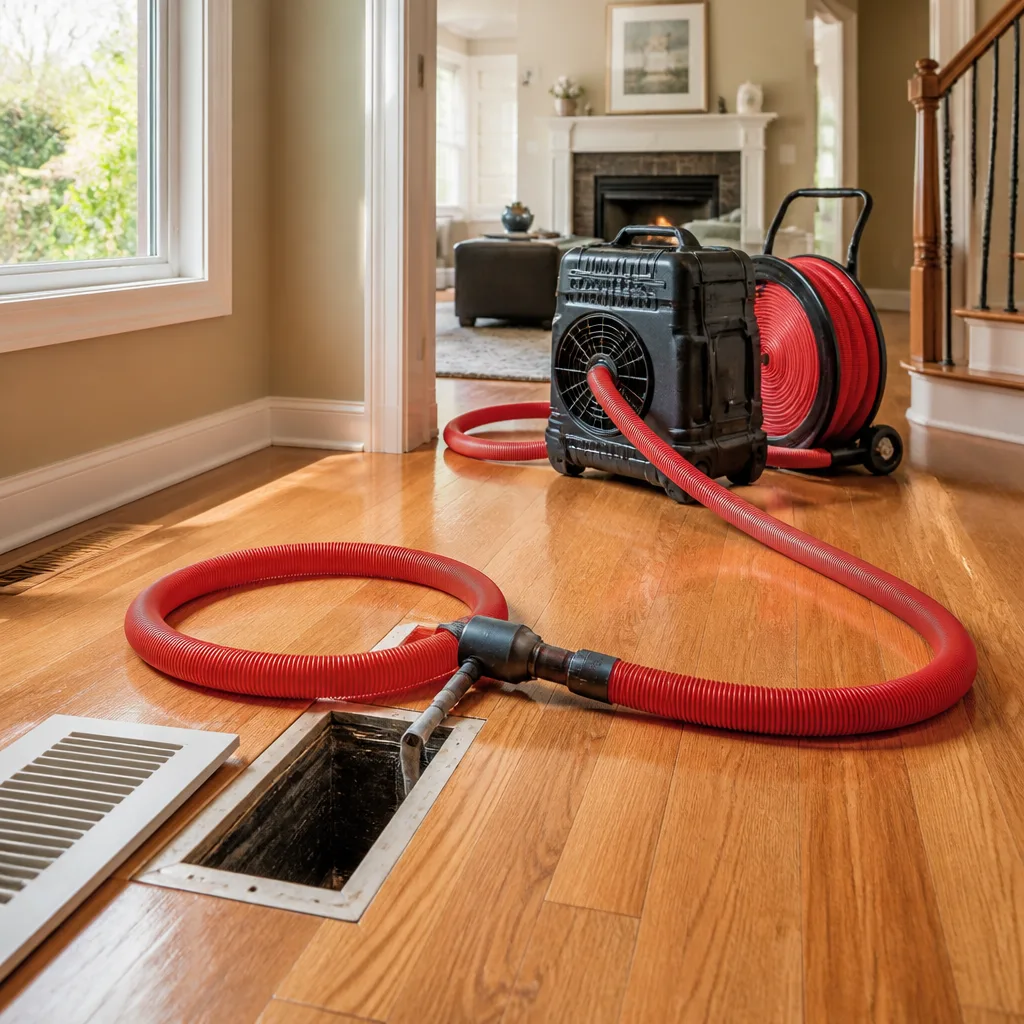 Whole-home duct cleaning
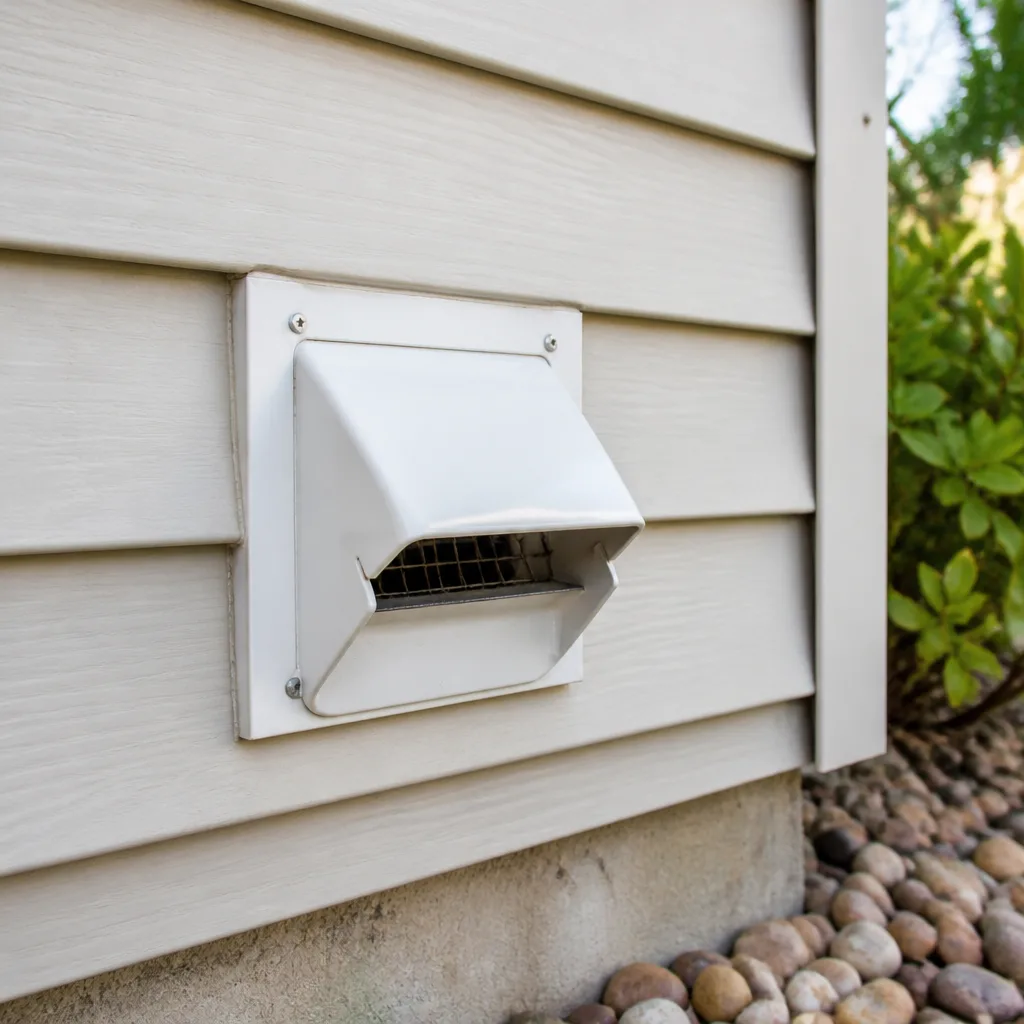 Dryer vent cleaning
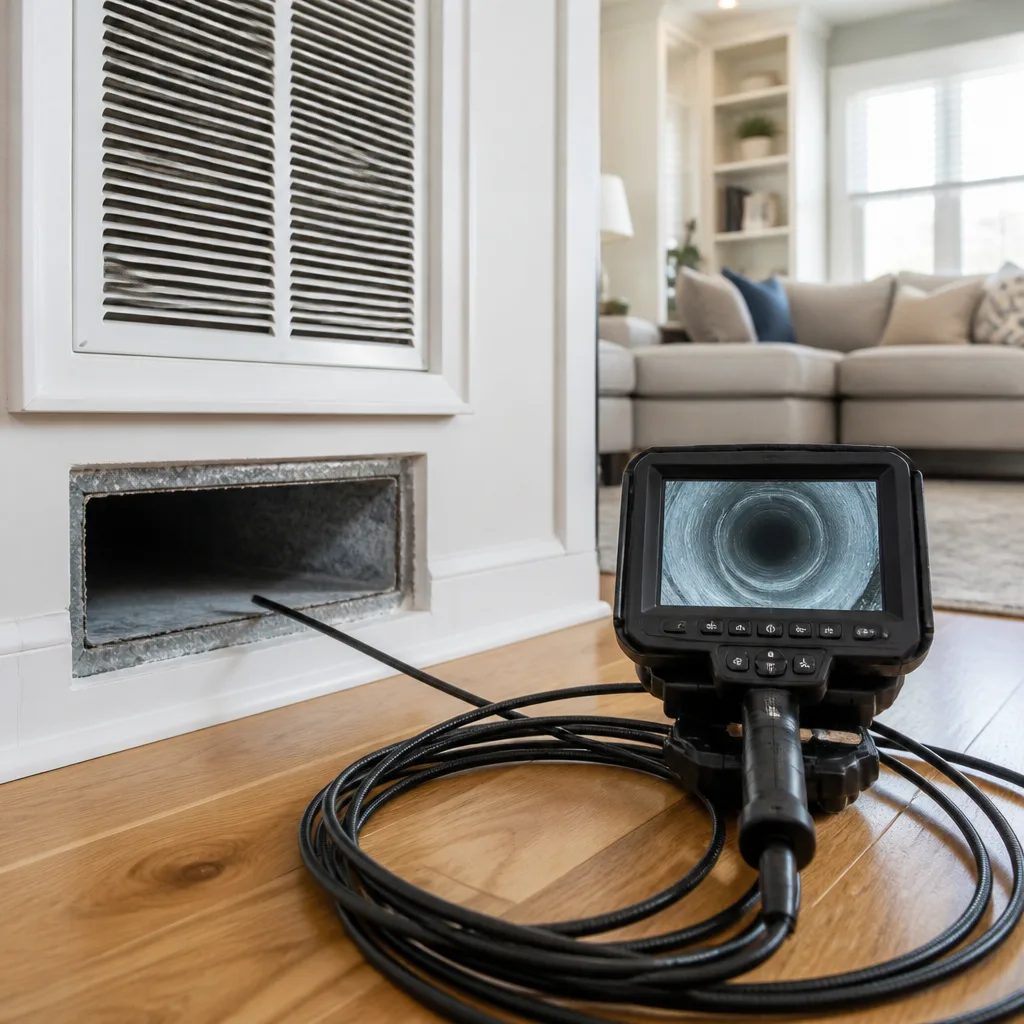 Camera inspection
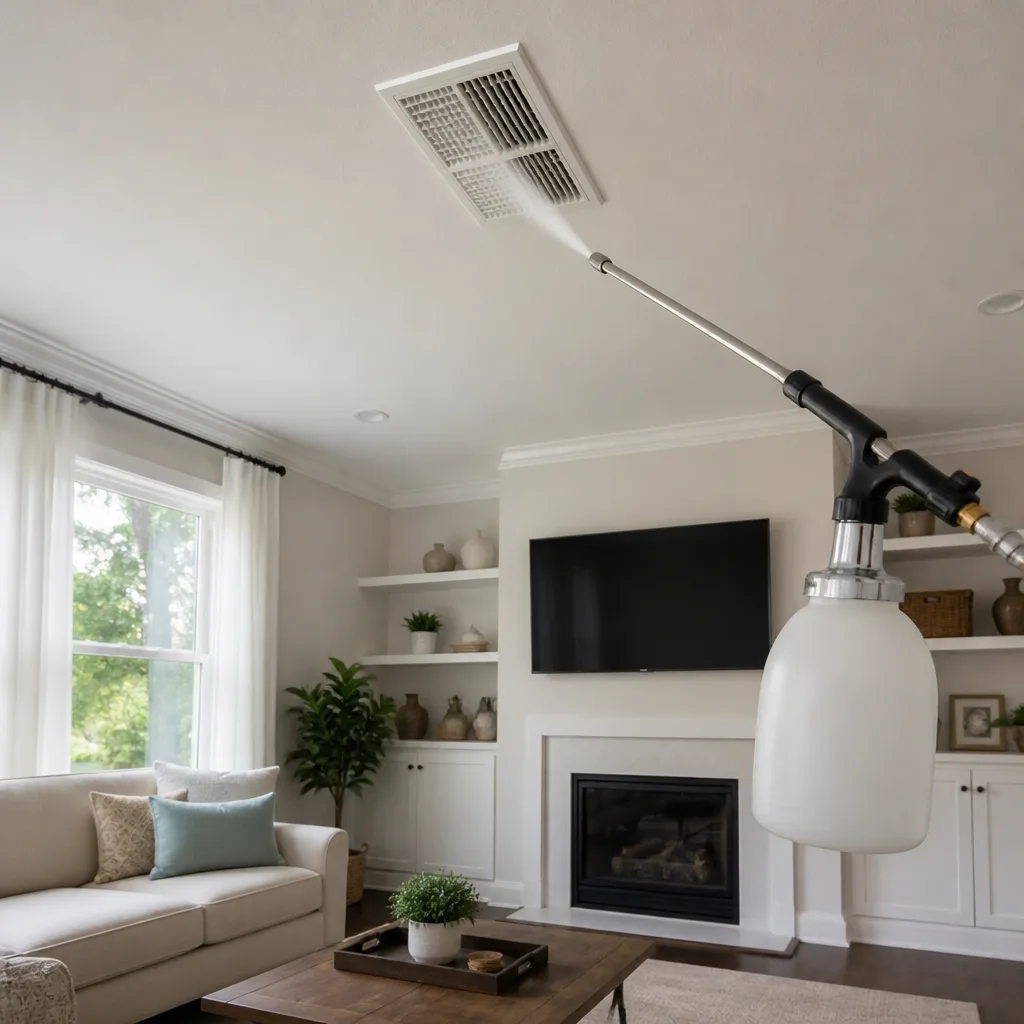 Sanitizing & deodorizing
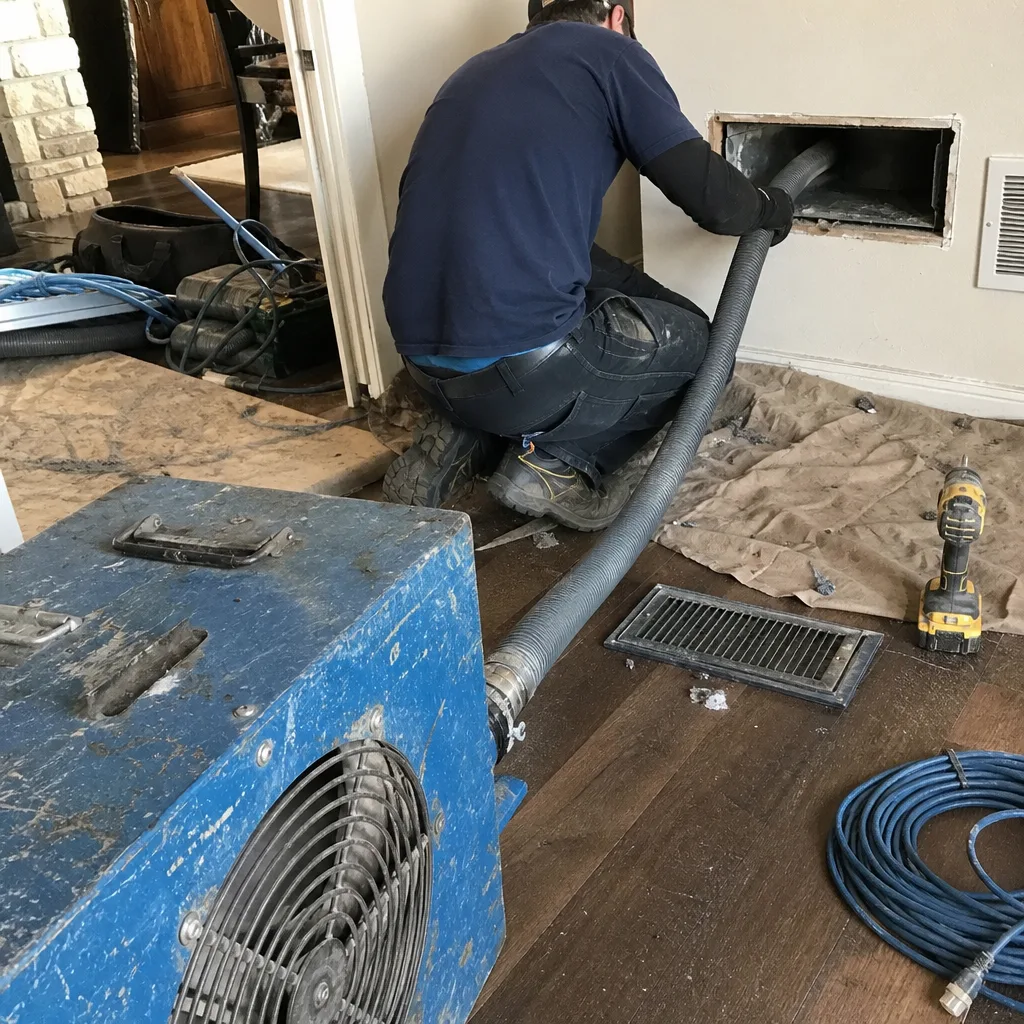
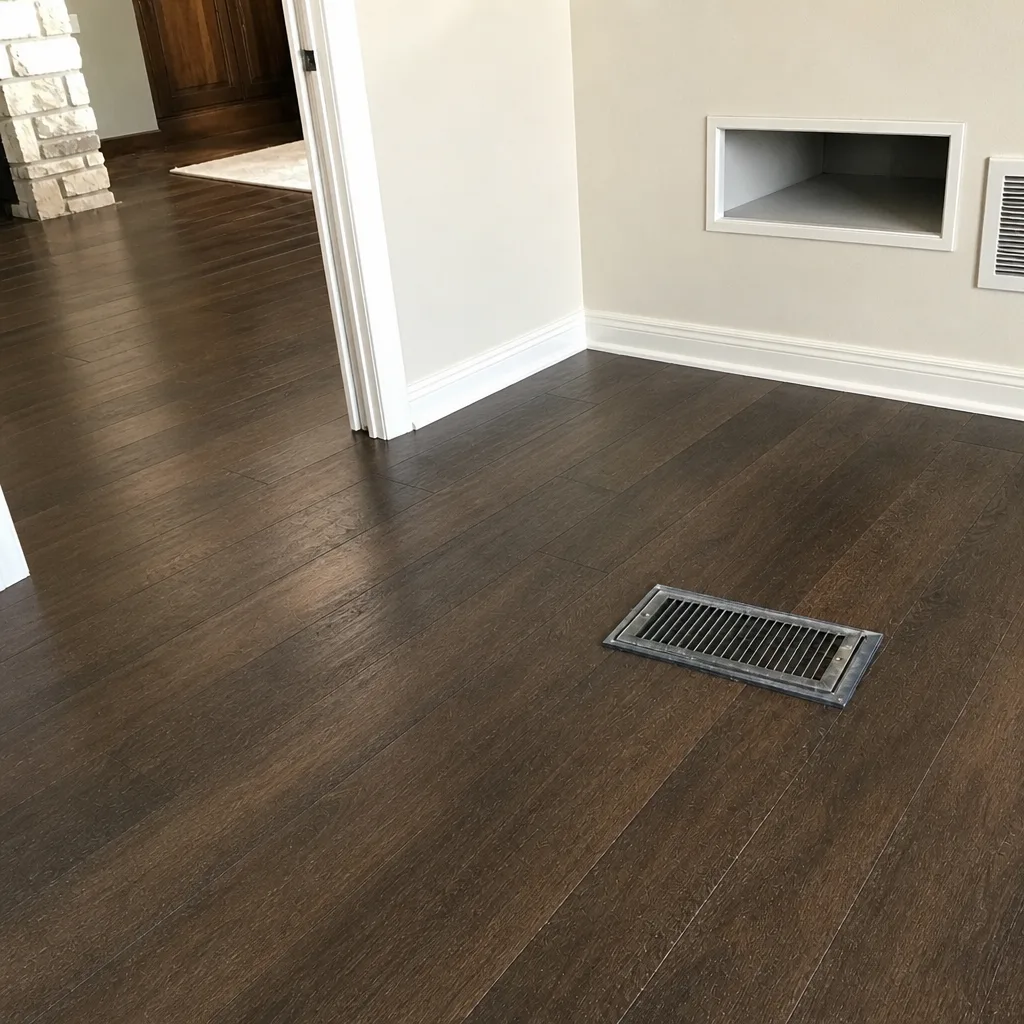
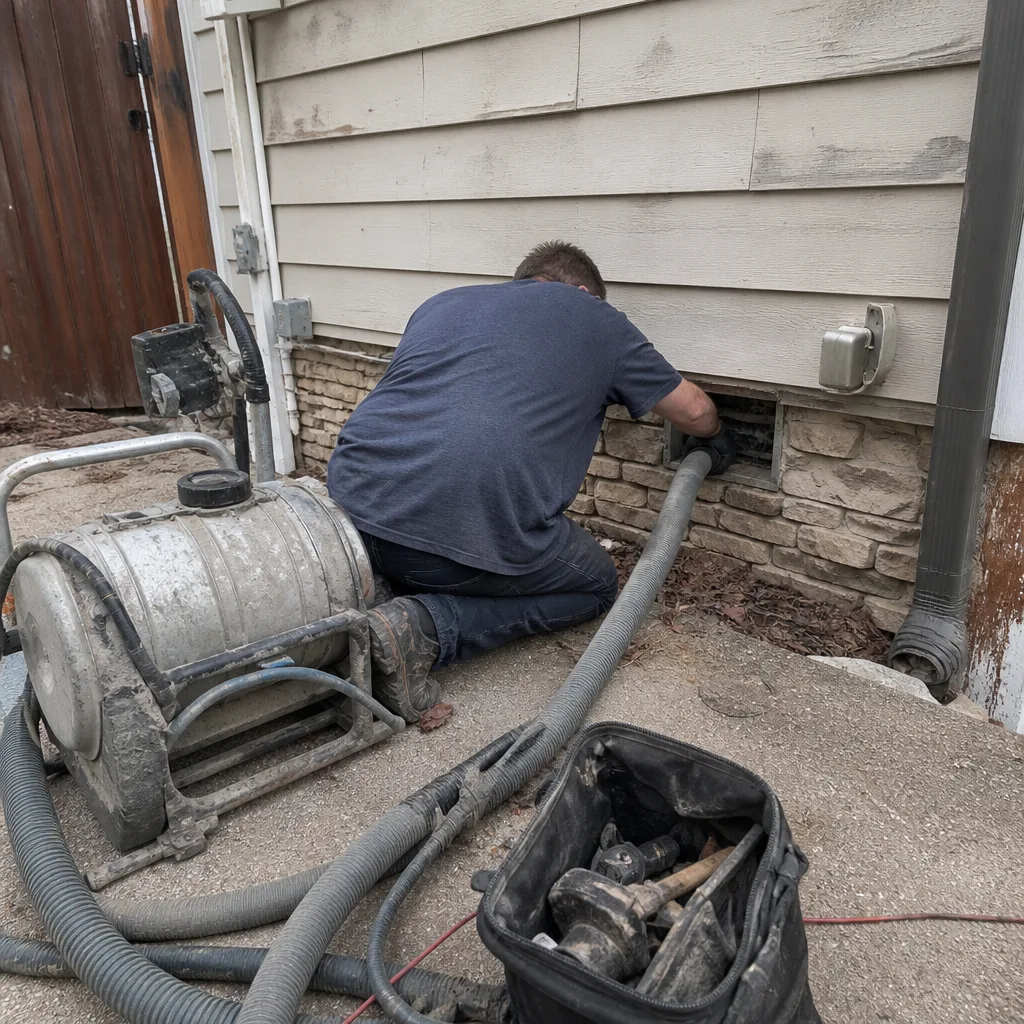
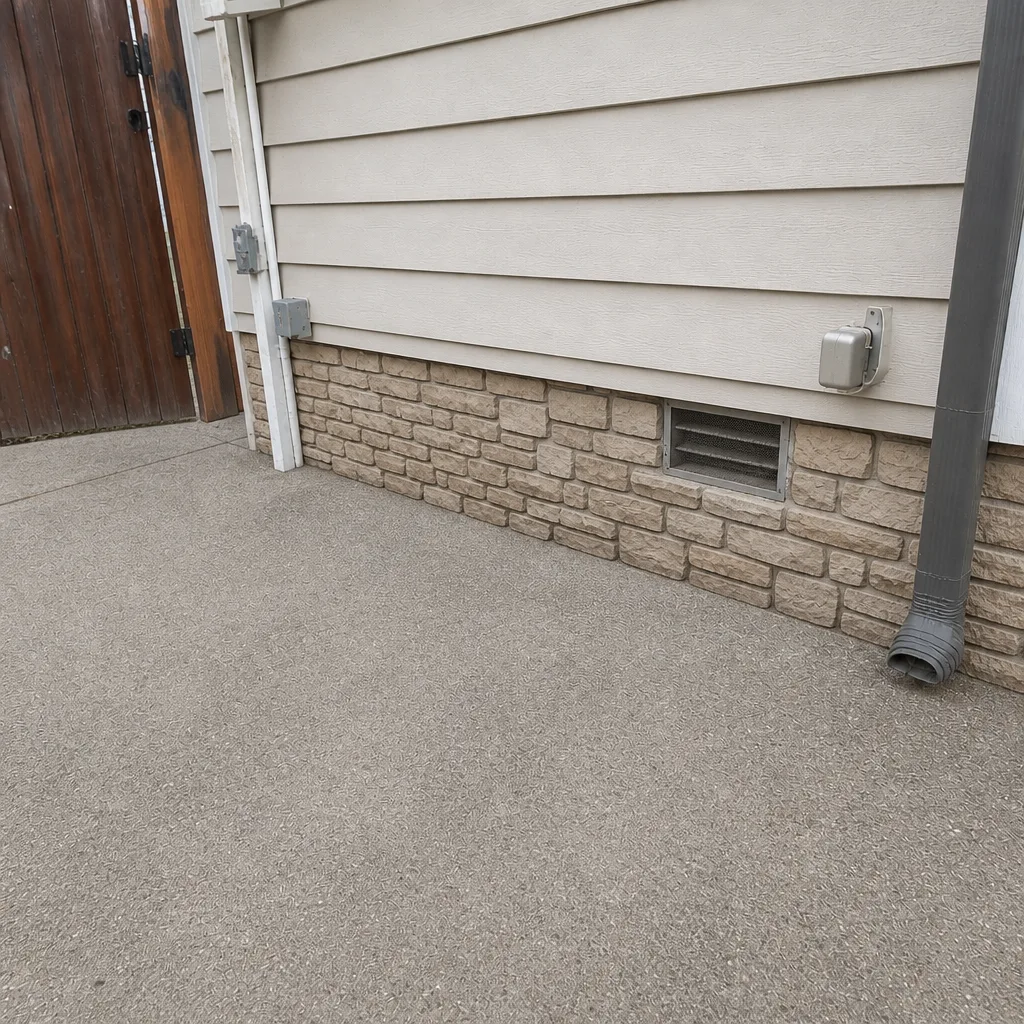
Whole-system duct and dryer vent check with before-and-after photos - you see exactly what came out of your vents
That "$99 whole-house special" is a bait ad - the real number appears once they are in your hallway, or the "clean" is a shop-vac at the register. We photograph the inside of your ducts before and after instead.
The Complete Guide to Air Duct Cleaning in Boulder
Most air duct guides are written as if every home sits in the same climate with the same ducts. Boulder isn’t that place. A house near the Flatirons can collect wildfire particulate through one smoke season, construction dust from a kitchen remodel, and hard-water mineral residue inside the same duct run, all before anyone thinks to look. Cleaning a system means understanding what actually got in and how it got there. This guide walks the full duct network, from trunk lines to air handler, so you can tell the difference between real source removal and a vacuum waved at your registers. You’ll learn how Boulder’s altitude and wind shape what ends up in your ducts, why pre-1980 homes need an assessment first, and when sealing should come before cleaning.
Quick Answer
Air duct cleaning in Boulder means removing accumulated contaminants from the entire duct system, not just the registers you can see. A proper job uses negative pressure and mechanical agitation to pull debris from trunk lines, branch runs, plenums, and the air handler, then verifies the result. Whether you need it depends on what’s in the system: visible dust buildup, musty odors, recent renovation, smoke exposure, or worsening allergy symptoms are the usual signals.
Styles & brands we work with
- Whole-home duct cleaning
- Dryer vent cleaning
- Camera inspection
- Sanitizing & deodorizing
Table of Contents
- Why Boulder’s Climate Puts Extra Load on Your Ducts
- What Air Duct Cleaning Actually Involves
- Source Removal vs. Surface Cleaning: What Each Leaves Behind
- The Full Duct Ecosystem: What Gets Missed
- Why Pre-1980 Boulder Homes Need an Assessment First
- When Cleaning Isn’t Enough: Repair and Sealing
- What a Professional Cleaning Looks Like, Step by Step
- After the Cleaning: Filtration and Air Quality
Why Boulder’s Climate Puts Extra Load on Your Ducts
Boulder sits at roughly 5,400 feet, and that elevation changes the way a home’s air system behaves. The air is thinner, and furnaces and air handlers move a fixed volume of it through the same ductwork regardless. When filters load up, that thin air gets harder to push, and small pressure imbalances start pulling dust in through every gap in the system. Add wind that sweeps off the Flatirons and down the foothills, and you have a recipe for particulate finding its way inside.
Wildfire smoke is the other half of the story. Front Range smoke seasons push fine particulate deep into the home, and once it settles in the duct lining and on the blower wheel, it doesn’t leave on its own. Homes in neighborhoods like Table Mesa, Martin Acres, and the Mapleton Hill area see this differently depending on the age and tightness of the house. A drafty 1950s ranch pulls more outside air in, and that air carries whatever is in it.
Construction dust plays a role too. Boulder has steady remodeling activity, and drywall dust, sawdust, and insulation fibers from a renovation migrate straight into the return system. They settle in horizontal runs and on top of the plenum, where a quick pass with a shop vacuum never reaches. That’s one reason we treat each Boulder home as its own system assessment rather than a one-size job.
What Air Duct Cleaning Actually Involves
Air duct cleaning is the mechanical removal of dust, debris, and biological growth from the components of a forced-air system, followed by a verification that the material is gone. The equipment matters as much as the technique. A consumer-grade vacuum and a hand brush reach the first few feet of a register and little else.
Professional systems work on two fronts at once. One source creates negative pressure across the whole system, so loosened debris travels out rather than settling back into the living space. Another tool agitates the duct walls, breaking the layer of bonded dust free. In our work we use Rotobrush and Nikro equipment because both are built for that agitation-and-extraction combination, and they reach through branch runs and around bends that a straight vacuum hose can’t follow.
Contaminant control is part of the job, especially after smoke or water damage. Abatement Technologies products are designed for that kind of remediation work, and knowing how to use them properly is a difference between cleaning the ducts and actually addressing the air-quality problem. A full job covers:
- All supply and return trunk lines
- Every branch run feeding a room
- The supply and return plenums
- The air handler and blower compartment
- Registers and grilles, removed and cleaned
- Filtration and coil surfaces where accessible
For a closer look at what the service includes, see our page on air duct cleaning.
Source Removal vs. Surface Cleaning: What Each Leaves Behind
Source removal is the standard the industry measures against: the contaminant is taken out of the system entirely, not just moved or wiped. Surface cleaning is what you get from a cheaper bid that runs a vacuum over the registers and calls it done. The names sound similar. The results don’t.
Here’s what differs:
- Reach: Source removal enters the full duct interior. Surface cleaning touches the openings and whatever the hose can see.
- Pressure: Proper negative pressure seals the system so debris goes out, not into the room. A light vacuum stirs dust and leaves it suspended.
- Agitation: Bonded dust and lint need mechanical contact to break free. A brush on a flexible rod or a rotary tool does that. A plain hose doesn’t.
- Verification: A real job includes a visual check of the interior before the job is called finished. Surface cleaning usually skips that step.
- What stays behind: A surface clean leaves a settled layer in horizontal runs and on the plenum floor. The next heating season lifts it right back into the air.
For Boulder homes that have been through a smoke season or a renovation, that leftover layer is exactly the part you wanted gone. When a bid comes in far below others, surface cleaning is usually the reason.
The Full Duct Ecosystem: What Gets Missed
A duct system is more than the vents in your floor. Think of it as a network with five parts, and any part left out leaves the job unfinished. When a crew only addresses registers, the contamination stays in the rest of the system.
- Trunk lines. The large main ducts that carry air away from the furnace or air handler. These are the biggest volume and usually hold the deepest settled dust.
- Branch runs. The smaller ducts that branch off to each room. Flexible branch duct in particular traps lint in its ribs and needs agitation to clean.
- Plenums. The boxes directly above the furnace and beside the coil. These see the highest airflow and collect a heavy dust layer that a register pass never touches.
- Flex duct. Common in Boulder additions and retrofits. Its ridges collect debris and it can sag or tear, so it needs careful handling, sometimes repair.
- The air handler. The blower wheel, cabinet, and coil. A dusty blower wheel throws dust back into the airstream. A dirty coil loses efficiency and can grow biological material where condensation forms.
We clean all five because cleaning only the registers is like washing a cup by rinsing the rim. The interior still holds whatever was in it. The same whole-system approach applies to hvac cleaning, where the blower and coil get the attention they need.
Why Pre-1980 Boulder Homes Need an Assessment First
Homes built before 1980 often have ductwork that’s been modified, extended, or partly replaced over the decades. That history matters before any cleaning tool goes in. A system assessment checks the condition of the ducts so the cleaning doesn’t cause damage.
In older Boulder housing, assessments routinely turn up:
- Duct board or internal lining that has degraded and can shed fibers when agitated
- Joints sealed with tape that has dried and failed, so cleaning loosens debris into wall cavities
- Disconnected or crushed runs, common in homes that have been remodeled more than once
- Asbestos-containing duct wrap in some mid-century homes, which requires caution before any work begins
- Returns added later that don’t match the supply side, creating odd pressure patterns
Checking the system first means we know whether to clean, repair, or handle something gently. It also protects you from a crew that starts pulling a hose through fragile duct board without a look. If the assessment finds a problem, you’ll hear about it before the work starts, not after.
When Cleaning Isn’t Enough: Repair and Sealing
Cleaning removes what’s inside the ducts. It doesn’t fix leaks, and a leaky duct system will pull the same contaminants back in. If the assessment finds gaps at joints, tears in flex duct, or disconnected runs, repair and sealing have to be part of the plan.
There are two ways the sequence goes:
- Seal before cleaning when the leaks are pulling in unfiltered air from a crawlspace, attic, or wall cavity. Cleaning a system full of open gaps just lets the debris back in.
- Seal after cleaning when the ducts are tight enough to clean properly, but sealing afterward protects the fresh interior from recontamination.
We handle duct repair and sealing as part of the same service, so you’re not coordinating two contractors and guessing who’s responsible for what. That matters in a town where air quality already does enough to your system. For dryer vents, the same full-system thinking applies: we treat dryer vent cleaning as a fire-safety service, because lint buildup in a vent is a real hazard, not a cosmetic issue.
What a Professional Cleaning Looks Like, Step by Step
A proper cleaning follows a defined sequence so nothing gets contaminated twice. Here’s how a full job runs, in the order we do it.
- System assessment. We inspect the ducts, note the material type, look for damage and leaks, and confirm how many runs the system has.
- Protect the home. Floors and furnishings near the work area get covered, and registers are removed for cleaning.
- Set negative pressure. A high-powered vacuum ties into the main trunk and holds the whole system under negative pressure, so loosened debris travels out.
- Agitate the interior. Rotary brushes and air tools travel each run, breaking bonded dust free. This is where Rotobrush and Nikro equipment earn their keep; both are built for this exact job.
- Clean the air handler and plenums. The blower wheel, cabinet, and coil get attention so the system isn’t feeding dust back into fresh ducts.
- Sanitize where needed. After smoke, water damage, or biological growth, we apply a sanitizing treatment to the duct interior.
- Verify and reset. We check the interior, reinstall registers, and review what we found and what to watch for next.
That last step matters. A cleaning that ends with a handshake and no explanation leaves you guessing. We show before-and-after photos of your own ducts so you know the work was done.
After the Cleaning: Filtration and Air Quality
Once the ducts are clean, the filtration system becomes the front line for keeping them that way. That’s where filter choice and system familiarity matter. Boulder homes with a well-set-up HVAC system often run Honeywell or Aprilaire filtration, and understanding those systems means the recommendations after cleaning are specific rather than generic.
A few things to think through:
- Filter grade. A higher MERV filter traps more particulate, but a filter that’s too restrictive for your blower can strain the system and reduce airflow. The right balance depends on the blower’s design.
- Change interval. Smoke season, renovation, and pets all shorten the interval. Boulder homes usually need a shorter cycle than a general guide suggests.
- Return grilles. These collect more than most people realize. Clean them between service calls.
- Seal gaps. Leaky returns draw in unfiltered air. Sealing them keeps clean ducts from getting dirty again.
The general rule holds: get the ducts clean, then keep them clean with the right filtration and a sealed system. That combination does more for indoor air quality than any single treatment.
Common Mistakes to Avoid
- Judging a price by the coupon. A bid that undercuts the rest is usually selling surface cleaning. Ask what the price covers and whether the air handler and plenums are included.
- Skipping the assessment on an older home. Pulling equipment through fragile 1970s duct board without a look can turn a cleaning into a repair. Boulder’s older housing stock makes this a real risk.
- Cleaning without sealing the leaks. Clean ducts behind a leaky return will pull contaminants back in. Fix the gaps as part of the plan.
- Ignoring the dryer vent. A clogged dryer vent is a fire risk and a common oversight during duct work. Have it checked in the same visit.
- Assuming a new filter fixes the problem. A filter traps what reaches it. Dust already settled in the ducts stays there until it’s mechanically removed.
- Hiring on equipment claims alone. Ask what the crew does with the air handler and how it verifies the result. The process, not the brand name, tells you what you’re getting.
- Forgetting the air handler. Cleaning the ducts while leaving a dusty blower wheel behind means the system stays dirty. The air handler is part of the job.
See the difference
 Before
 After
 Before
 After
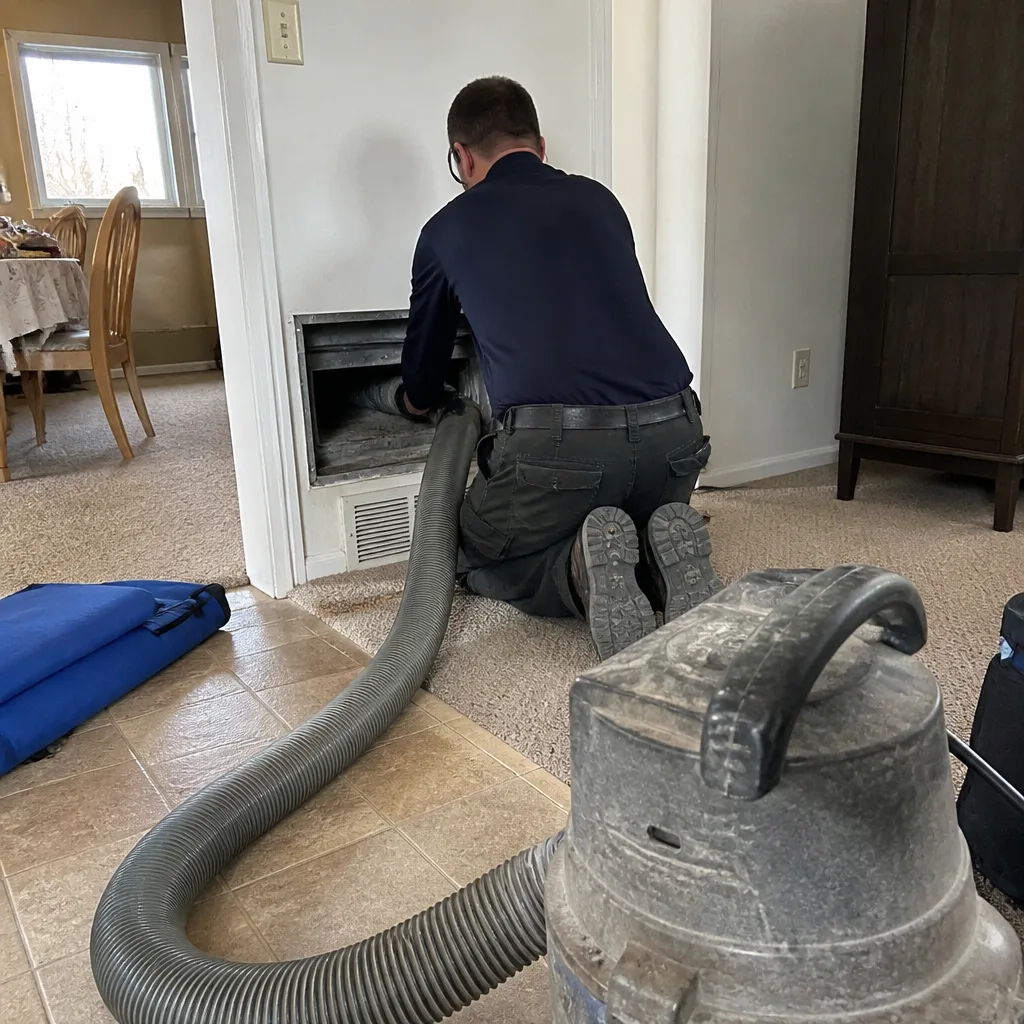 Before
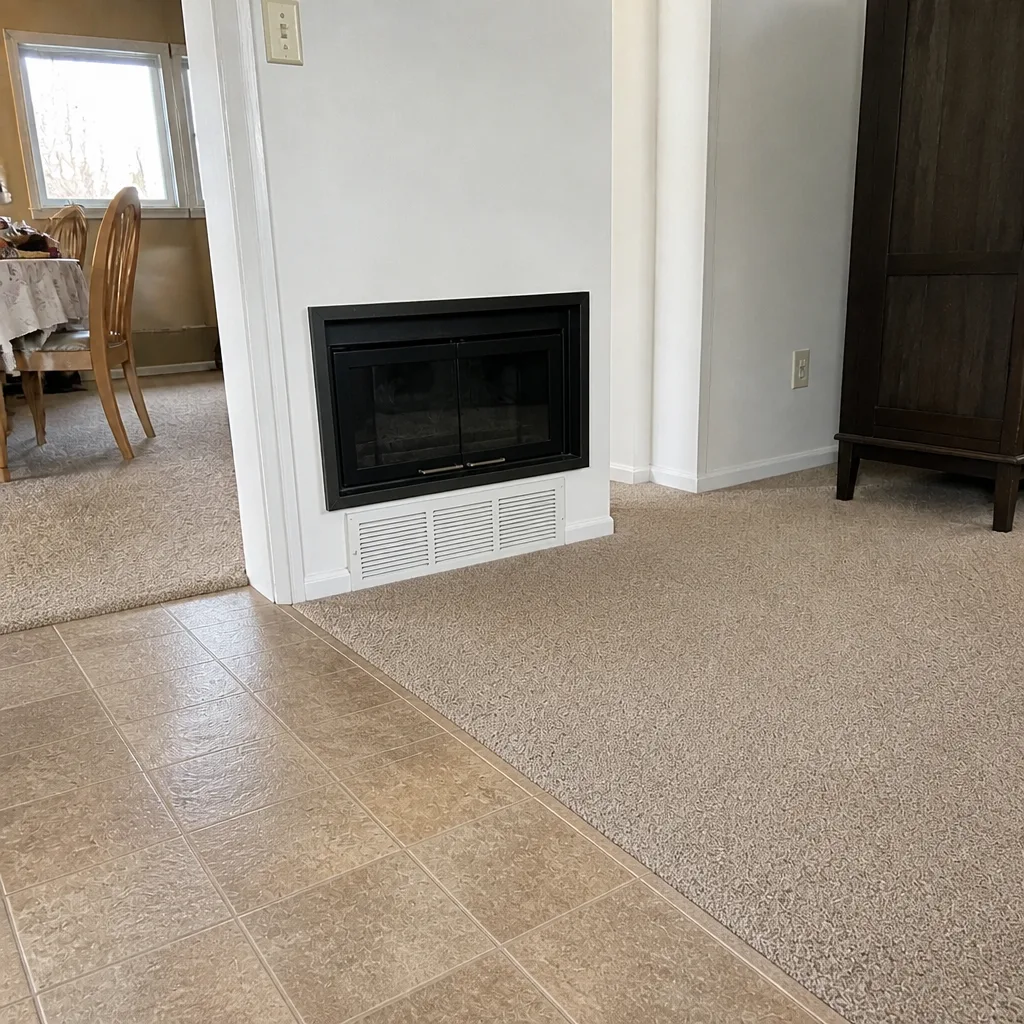 After
When to Call a Professional
Some signals mean it’s time to have the system looked at. Visible dust puffing from registers when the heat comes on, a musty smell that shows up only when the air runs, or a recent remodel that filled the house with drywall dust all point the same way. So does a home that’s been through a smoke season and left a persistent haze in the rooms. Worsening allergy symptoms at home that clear up when you’re away are another clue. Uneven airflow, hot and cold rooms, or a system that’s running harder than it should also warrant a look, since those often trace back to leaks or a dirty air handler. If any of this sounds familiar, Boulder Air Duct Cleaning Co offers free estimates in Boulder. Call (866) 328-8803. We answer 24/7, with fast dispatch from 7am to 7pm, Sunday through Friday.
Frequently Asked Questions
Most Boulder homes benefit from a cleaning every three to five years, though the number shifts with conditions. Smoke seasons, remodeling, pets, and older ductwork can shorten that. If you can see a settled layer at the registers or the returns look dusty, it’s time for a look. Call (866) 328-8803 for an exact quote. Estimates are free.
Price depends on the size of the system, the number of runs, the duct material, and whether repair or sanitizing is involved. We set one flat price per system from a written estimate before work starts, so there are no per-vent surprises once the technician is on site. Call (866) 328-8803 for an exact quote. Estimates are free.
Cheap quotes usually cover surface cleaning of the registers, not source removal from the full system. The low price doesn’t include the trunk lines, plenums, or air handler, and that’s where the contamination lives. Ask what the price includes before you book.
Ask for before-and-after photos of your own ducts. A crew that cleans the full system can show you the interior before and after. We provide those photos along with a walkthrough of what we found.
Yes. We treat dryer vent cleaning as a fire-safety service, because lint buildup in the vent is a real hazard. It’s a natural addition to a duct visit since both systems move air through the home. Call (866) 328-8803 to schedule both together.
Older homes often have duct board, degraded tape, or mid-century duct wrap that requires care before any tool goes in. An assessment checks the condition of the ducts first, so cleaning doesn’t cause damage. That’s standard for the older housing stock around town.
The Bottom Line
Duct cleaning in Boulder comes down to the system, not the registers. The climate here loads ducts with wildfire particulate, wind-driven dust, and construction debris, and older homes add their own complications. A real job means source removal from trunk lines, branch runs, plenums, and the air handler, done with equipment built for the work. When the assessment turns up leaks, repair and sealing belong in the plan. That’s the whole system, cleaned, repaired, and sealed. For a free estimate, call Boulder Air Duct Cleaning Co at (866) 328-8803. We answer 24/7, with fast dispatch from 7am to 7pm, Sunday through Friday. And if you want to see how we approach the rest of the home’s air pathway, start with Boulder Air Duct Cleaning Co.
Written by the team at Boulder Air Duct Cleaning Co.