
Last updated November 23, 2026
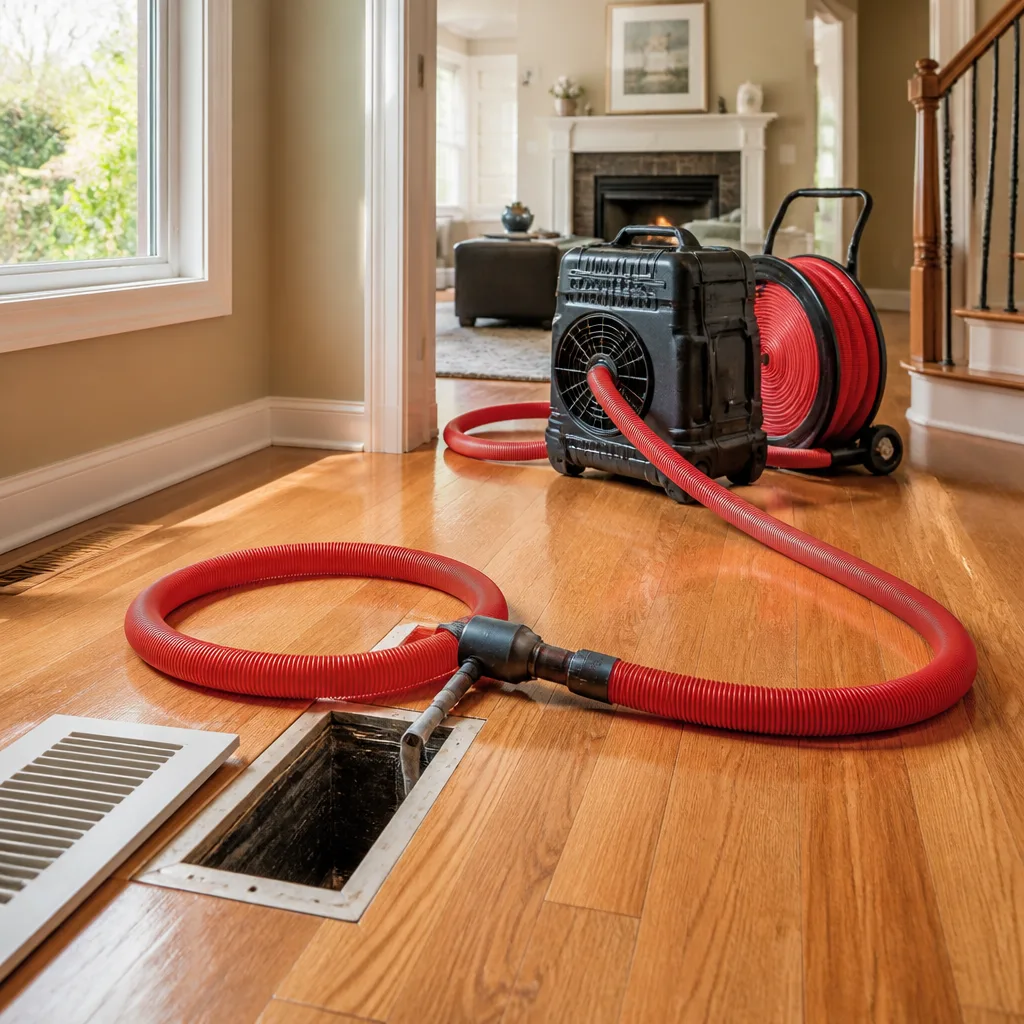 Whole-home duct cleaning
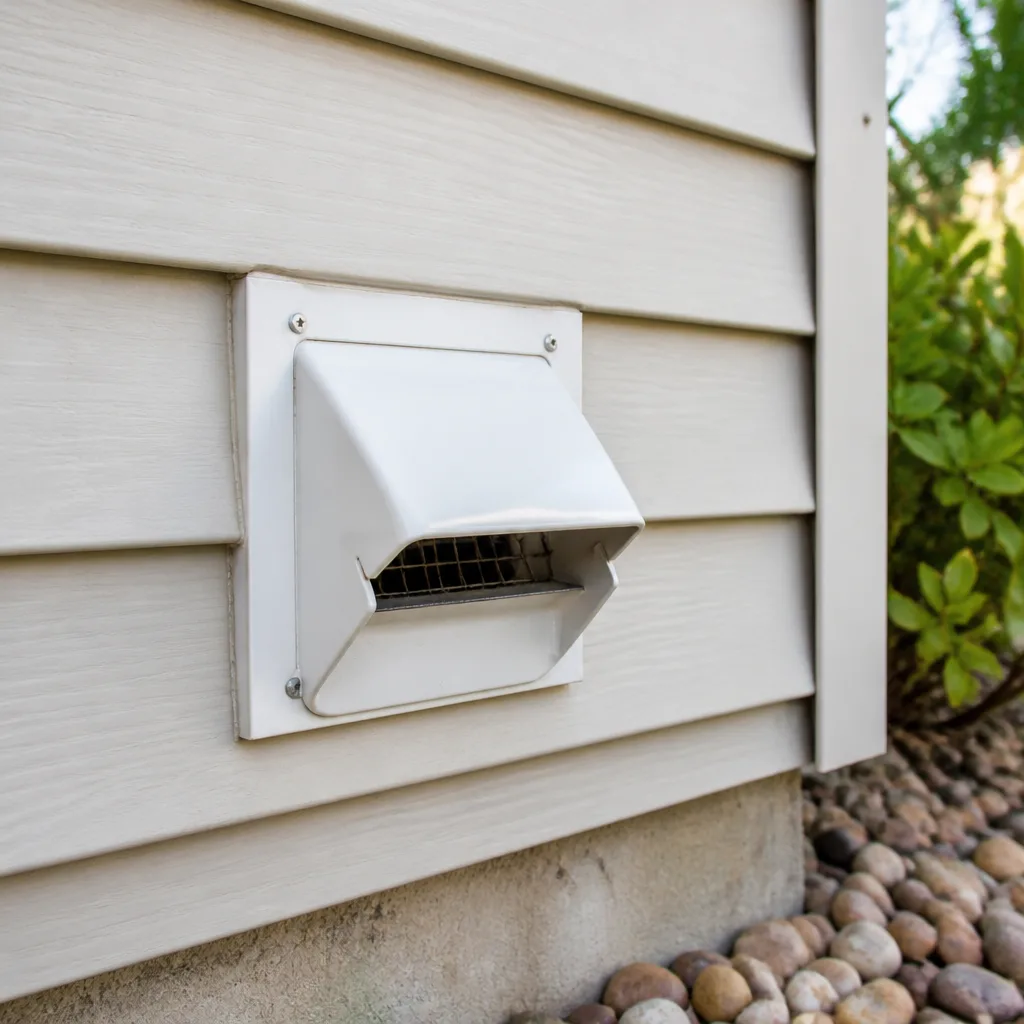 Dryer vent cleaning
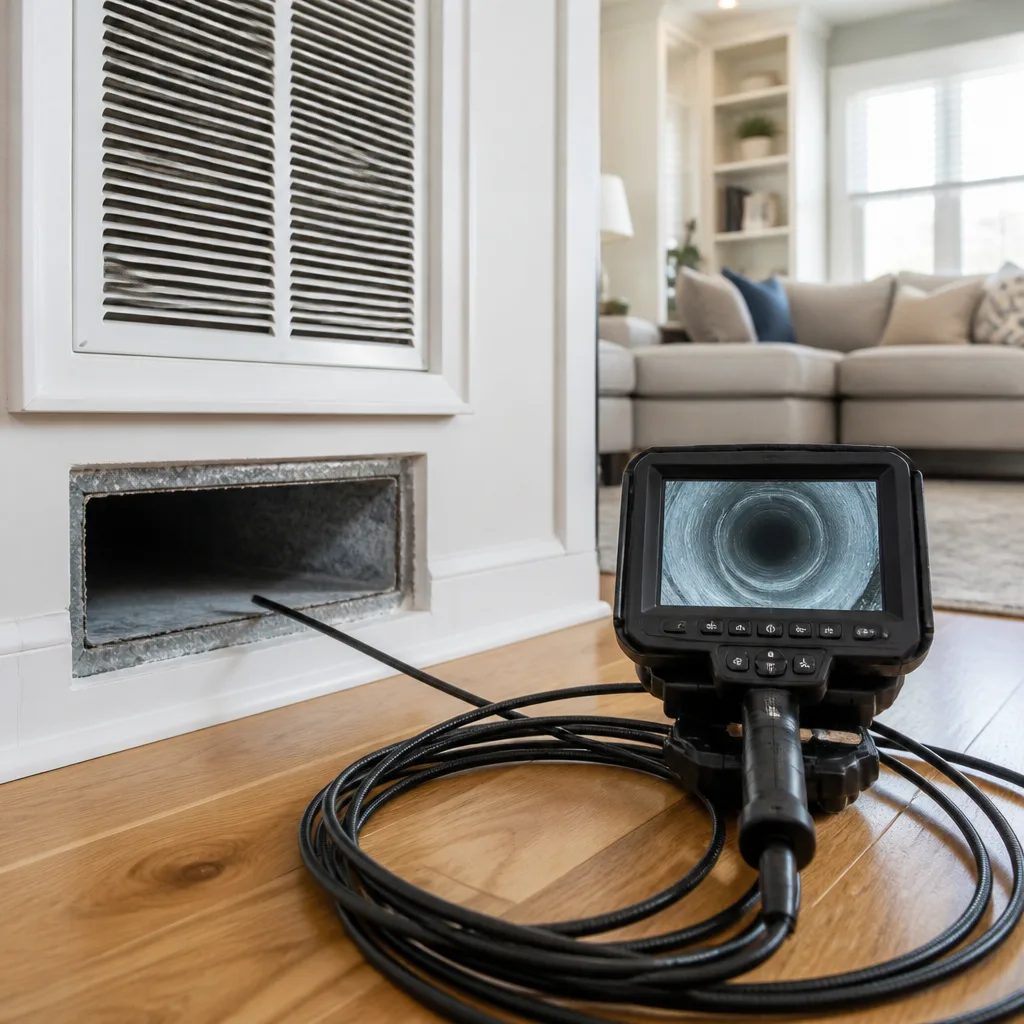 Camera inspection
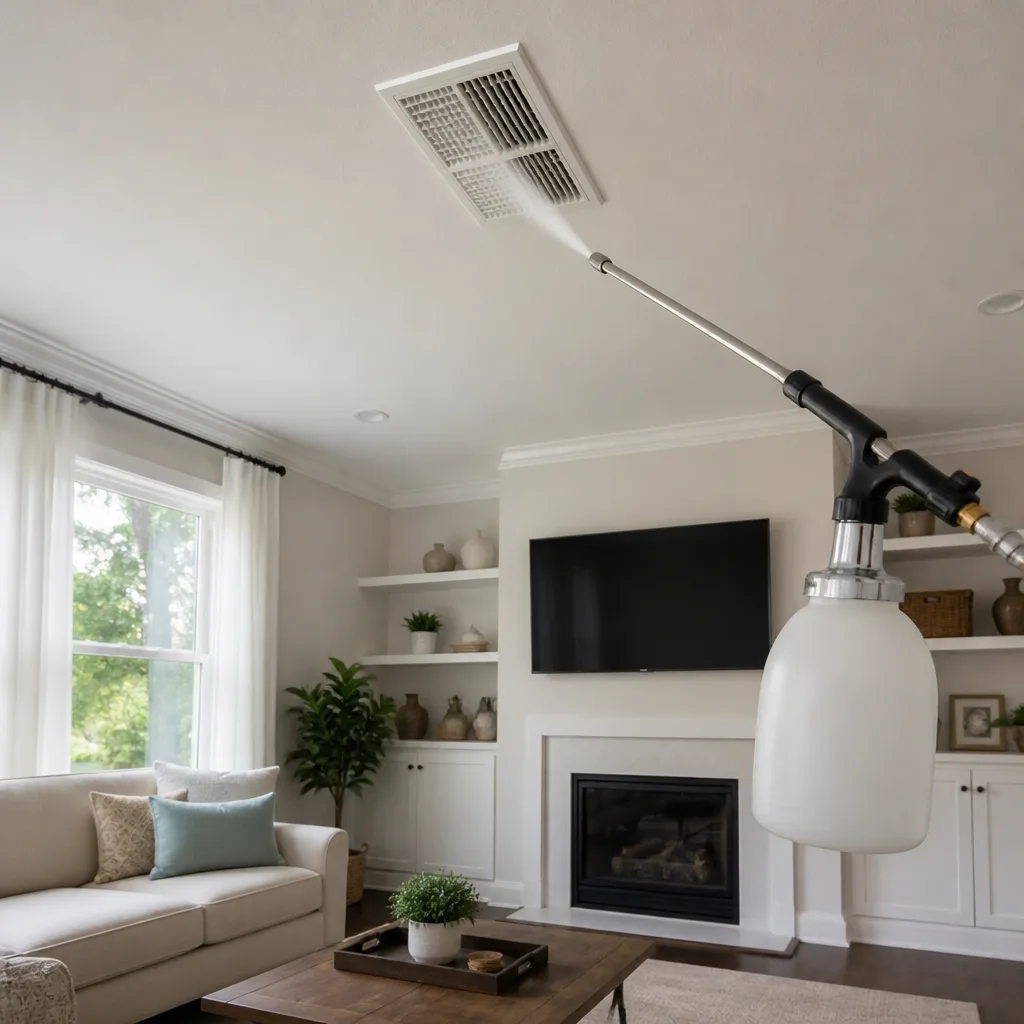 Sanitizing & deodorizing
Whole-system duct and dryer vent check with before-and-after photos - you see exactly what came out of your vents
That "$99 whole-house special" is a bait ad - the real number appears once they are in your hallway, or the "clean" is a shop-vac at the register. We photograph the inside of your ducts before and after instead.
DIY vs Professional Air Duct Cleaning: The Boulder Homeowner’s Decision Guide
Here’s the counterintuitive part most guides skip: attaching a shop vac to a register doesn’t clean the duct. In a residential system, a shop vac at the grille creates positive pressure in the run beyond the nozzle, so every bit of dust a brush loosens gets pushed deeper into the ductwork instead of pulled out of it. You end up moving contamination, not removing it. That single piece of physics is where the line between useful homeowner maintenance and professional work actually sits. This guide walks through the equipment realities, the tasks you can genuinely handle yourself, and how to use your own inspection to arrive at a professional visit already knowing what you’re asking about. We’ve written it from Boulder, with the local housing and climate in mind.
Quick Answer
Most homeowners can safely handle register cleaning, filter changes, dryer vent clearing, and a visual look inside the ducts. The work that actually removes buildup – full-system extraction under sustained negative pressure, cleaning the blower and coil, then sealing leaks – needs professional-grade equipment that consumer vacuums can’t match. If you’re seeing heavy dust, musty odors, uneven airflow, or you’re in an older Boulder home with a system that hasn’t been touched in years, that’s the point to call in a pro. air duct cleaning done correctly means cleaned, repaired, and sealed, not just vacuumed.
Styles & brands we work with
- Whole-home duct cleaning
- Dryer vent cleaning
- Camera inspection
- Sanitizing & deodorizing
Table of Contents
- Why Equipment Physics Decides the DIY Question
- What CFM Really Means for Duct Cleaning
- What You Can Legitimately Do Yourself
- When DIY Makes Contamination Worse
- The Cost-Benefit Calculation
- How to Inspect Before You Call
- Boulder Housing, Climate, and Duct Reality
- Common Mistakes to Avoid
- When to Call a Professional
- Frequently Asked Questions
Why Equipment Physics Decides the DIY Question
Duct cleaning is a pressure problem before it’s a brushing problem. To pull debris out of a duct system rather than redistribute it, the cleaning equipment has to hold the entire air pathway under sustained negative pressure – meaning the pressure inside the ducts is lower than the room, and air (and anything in it) is being drawn toward the collection point rather than pushed away from it. The moment that pressure reverses, even briefly, loosened particulate goes wherever the airflow carries it: into other branches of the trunk, into the return, into the air handler, and back into rooms.
Consumer equipment can’t hold that pressure across a residential system. A shop vac generates high static pressure at the hose but very little airflow through a long run of duct, and it has no way to seal the open registers you aren’t working on. Every other grille in the house is essentially a pressure leak. With the system unsealed, you’re pulling room air in through one opening while trying to extract through another, and the vacuum loses the fight.
Professional systems solve this by combining three things: a high-volume negative air machine strong enough to move air through the whole system, a containment setup that seals off open registers so the only path is toward the collector, and a rotating brush and whip line that agitates the duct walls so the debris actually releases. We use Boulder Air Duct Cleaning Co equipment from Rotobrush and Nikro because those systems are built for that containment model – they’re what restoration and IAQ specialists reach for, not a rebadged shop vac with a brush on the end. That’s the difference the physics is asking for.
The practical takeaway: the pressure has to be right before the brush goes in. Homeowner tools stage the material. Professional tools remove it.
What CFM Really Means for Duct Cleaning
CFM – cubic feet per minute – is the measure of how much air the cleaning equipment can move. It matters because containment across a residential system depends on enough airflow to overcome the leaks into the trunk and the friction of the runs themselves. A short, wide return might be served by modest airflow; a long trunk feeding six or eight branches needs considerably more to keep the whole pathway under consistent negative pressure while a brush is working inside it.
We won’t quote a specific CFM number for your home because the correct figure depends on system size and layout, but the principle is consistent. Here’s how the two equipment classes compare:
- Consumer shop vac: high vacuum at the nozzle, low total airflow, no register containment. Works for a single localized spot, not a system.
- Consumer duct brush kits: agitate dust but have no extraction capability at the far end – the loosened material has to go somewhere, and without negative pressure it goes into the living space.
- Professional negative air machine: built to move hundreds of CFM through the system while the open grilles are sealed, so the whole air pathway pulls toward the collector.
- Rotobrush and Nikro systems: paired agitation-and-extraction tools designed to work inside the duct under containment, with the brush and the vacuum on the same line.
- Abatement Technologies integration: adds a contamination-control layer – the kind of equipment used when the job is actual remediation rather than surface cleaning.
If you’re sizing equipment or comparing quotes, ask any provider what negative air equipment they run and how they seal the open registers. A crew that can’t answer that is running a shop vac with a longer hose, and the physics won’t change because the invoice got bigger.
What You Can Legitimately Do Yourself
Plenty of the work is genuinely yours to do, and doing it well makes a professional visit more useful when the time comes. These are the tasks where homeowner effort pays off without any pressure concern:
- Clean the supply and return registers. The grilles themselves collect dust on the room side. Remove them, wash in warm water with a mild detergent, dry fully, and reinstall. This is surface cleaning of an accessible part, not duct cleaning.
- Change or clean the filter on schedule. The filter is the first line of defense and the single most neglected component in most Boulder homes. Check it monthly during heating and cooling season and replace per the manufacturer’s guidance.
- Vacuum return grilles and the immediate plenum area. Where the return grille meets the wall or ceiling, dust accumulates visibly. A vacuum with a brush attachment handles this without touching the duct interior.
- Clear the dryer vent of lint at the accessible end. Remove the flexible connection behind the dryer, vacuum out the lint trap housing and the first few feet, and check the exterior hood for blockage. This is the most important homeowner task on the list – see the note on fire safety below.
- Do a visual inspection with a camera. An inexpensive USB borescope or an inspection camera can look a few feet into a register without disturbing the system. Photograph what you find. This is the inspection method we recommend in the next section.
- Keep the system running with a clean filter during any home renovation. Construction dust is the biggest controllable contamination source. Seal off returns in the work area with plastic and change filters more often while work is underway.
None of these require you to open the trunk line or reach past the first few feet of a branch. They’re about the surfaces and access points you can see and reach safely.
The dryer vent deserves its own note. It’s a fire-safety item, not a maintenance chore – lint buildup in the vent run is one of the leading causes of residential dryer fires, and the vent is the part of the airflow system most often ignored. Clearing the accessible portion yourself is worthwhile; the full run, especially in a two-story home or a long horizontal path, needs professional extraction. We treat dryer vent cleaning as a fire-safety service for exactly that reason.
When DIY Makes Contamination Worse
There are specific situations where a homeowner with a brush and a shop vac can measurably increase the contamination problem rather than reduce it. The mechanism is always the same: something is dislodged, and there’s no containment to catch it.
Biological growth inside the system
If you’ve found or suspected mold or other biological growth in the ductwork, do not brush it. Agitating biological material without HEPA-level containment aerosolizes spores and distributes them through the branches, the air handler, and back into every room the system serves. This is the one category where the professional step isn’t optional – it’s a contamination-control job, and it needs the kind of equipment built to capture what’s dislodged. Abatement Technologies products exist for exactly this scenario.
Construction and renovation dust
Fine construction dust – drywall, joint compound, sanding residue – doesn’t behave like ordinary household dust. It’s heavier, it packs into duct walls, and it coats the blower and coil. Brushing it loose with a shop vac simply moves it into places you can’t reach. Any home that’s just been through a remodel should get a professional cleaning rather than a homeowner attempt, especially where drywall work was heavy.
Pest intrusion and heavy debris
Rodent droppings, nesting material, or significant debris in a duct are a health and contamination issue, not a cleaning task. These need professional removal with proper protective equipment and containment. Do not attempt this yourself.
Water intrusion or a wet system
If water has entered the duct system – through a roof leak, condensation problem, or a flooded return – the ducts need inspection and possibly drying before any cleaning. Brushing a wet duct spreads the problem. This is a professional call.
System with a failed seal or open return
A duct system with significant leakage will lose whatever you try to extract through the leaks. Cleaning a leaky system without sealing it is half a job, and doing it yourself is a fraction of that half.
The Cost-Benefit Calculation
The honest version of the cost question starts here: professional duct cleaning is a scheduled job with a per-system price, and it isn’t the right call for every home. Some homes genuinely don’t need it. Others will save more in HVAC efficiency than the cleaning costs. The line between them isn’t mysterious.
A few rules of thumb for whether the math works in your favor:
- The system has been cleaned before and is well sealed. If you know the ducts were cleaned and the system is tight, a visual inspection plus good filter habits will hold you for a long time. You likely don’t need another cleaning yet.
- You’ve recently renovated. Construction dust is the single strongest case for professional cleaning – not because the system is dirty, but because drywall dust reaches the parts of the system you can’t inspect.
- Airflow is uneven or the blower is struggling. If dust has coated the evaporator coil or blower, cleaning the coil and blower as part of a full-system HVAC cleaning can recover capacity you’d otherwise attribute to aging equipment.
- Allergy or asthma symptoms spike when the system runs. This isn’t a promise about health outcomes; it’s a signal that the system is worth inspecting. What you find in the inspection tells you whether cleaning is the answer.
- You’re in an older home with a system that hasn’t been touched. Decades of accumulation in a system with leaky joints is a genuine reason to clean and seal.
- You’re about to move in or just moved in. A pre-purchase inspection and a first cleaning after a sale are common, reasonable steps.
On the cost side, we don’t quote a price without seeing the system, and we’d rather understand what you’re negotiating. The industry’s reputation problem is the coupon price that balloons once the technician is on site. A flat per-system price agreed before work starts, plus before-and-after photos of your own ducts, is the structure that avoids that surprise. Ask any provider whether their price covers the whole system or prices per vent, and whether they’ll photograph the work.
The insurance-style question also matters: professional cleaning that includes sealing and, where needed, biological treatment can prevent larger problems. It’s a maintenance investment, not a luxury item – and the calculation is easier once you know what’s actually in the system.
How to Inspect Before You Call
You can inspect your own system well enough to arrive at a professional visit informed. The point isn’t to diagnose what cleaning is needed; it’s to know your system, document what you find, and ask better questions. Here’s a numbered process:
- Photograph the supply and return grilles. If the return grilles are visibly dusty on the wall-facing side, that tells you dust is being pulled in and sitting on the intake side. Photograph a couple of supply registers too.
- Use a borescope on a few registers. Look a few feet into a supply branch and a return. If the run is coated with a visible layer of dust, note where. If you see anything that looks like mold, pest droppings, or nesting material, stop using that branch and call a pro – do not disturb it further.
- Test the airflow balance. With the system running, hold your hand at each register and compare. Note any that feel weak or any room that stays stuffy. That pattern is information.
- Note odors. A musty smell near the return when the system starts up suggests something in the system, not just in the room. Note where and when the smell appears.
- Check the filter and photograph it before changing it. A filter that’s loaded with fine gray dust versus hair and lint points to different sources in the home.
- Look at the visible ducts. Where ductwork is exposed in a basement or crawl space, look for gaps at joints, disconnected sections, or obvious leaks. Photograph anything you find.
- Check the exterior dryer vent hood. Look inside for lint buildup and confirm the flapper opens and closes freely. Note anything that blocks it.
- Write down what you observed. A short list of locations plus your photos gives any technician a head start and tells you whether a quoted scope covers what you saw.
Bring the photos. A crew that respects the homeowner’s intelligence will look at them, tell you what they mean, and adjust the estimate. A crew that ignores them is running a script.
Boulder Housing, Climate, and Duct Reality
Boulder is a specific place with specific ductwork. Several local realities shape what cleaning is worth doing and when.
Older homes and duct age
Large parts of Boulder – the Mapleton Hill area, Whittier, Newlands, and the older neighborhoods west of Broadway – date from the early and mid-twentieth century. Many started with heating systems and had air conditioning added later, retrofitting ducts through spaces that weren’t designed for them. Retrofit ductwork is more prone to disconnected sections, leaky joints, and undersized returns than a system built for the house. That leaks-not-dust pattern is a Boulder reality and a reason sealing matters as much as cleaning.
High and dry climate
Boulder sits at high altitude with very dry air and a long heating season. That combination dries duct materials, makes joint tape brittle, and drives static that pulls dust to duct walls. Dry conditions also matter for humidity control – a home without humidification in a dry Boulder winter will show it in filter loading and in static dust on returns. Knowing how Honeywell and Aprilaire filtration systems work is part of the answer to that, because the filter and humidification setup affects how often ducts need cleaning.
Wildfire seasons and smoke exposure
Smoke events on the Front Range push fine particulate into home returns, and fine smoke particulate is one of the faster-accumulating contaminants in a duct system. After a smoke event, a professional inspection is worth the call, and high-MERV filtration or a quality filter upgrade goes a long way. That’s part of why we work with Aprilaire and Honeywell systems.
Newer builds in east Boulder County
Newer developments east of Boulder and in the surrounding county often have tight, well-sealed systems – which is good for efficiency and means professional cleaning is less urgent. The more common issue there is construction dust if the home is new or recently renovated.
Apartment and multi-unit buildings
Boulder’s rental market means some homes are in multi-unit buildings with shared systems and individual air handlers. In those buildings, cleaning and repair needs to be coordinated, and the air handler and coil are often the bigger issue.
See the difference
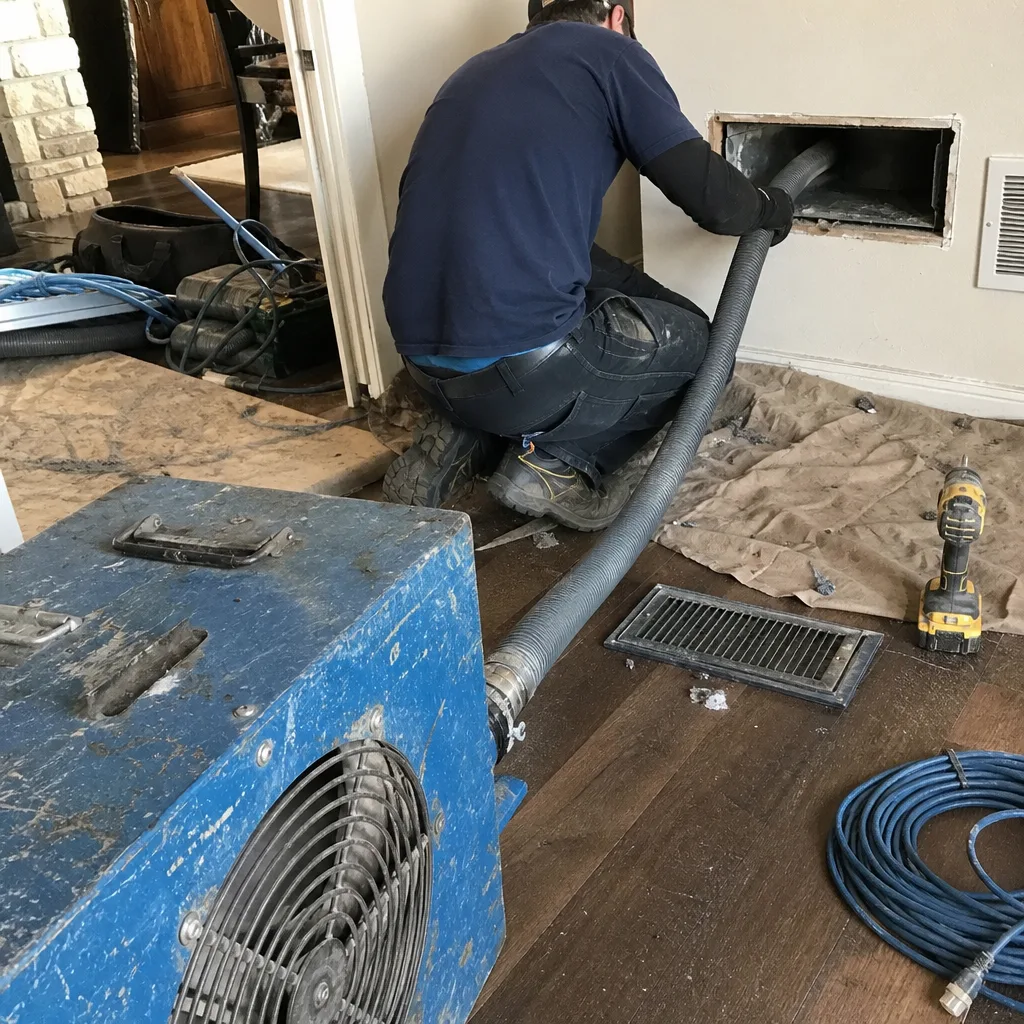 Before
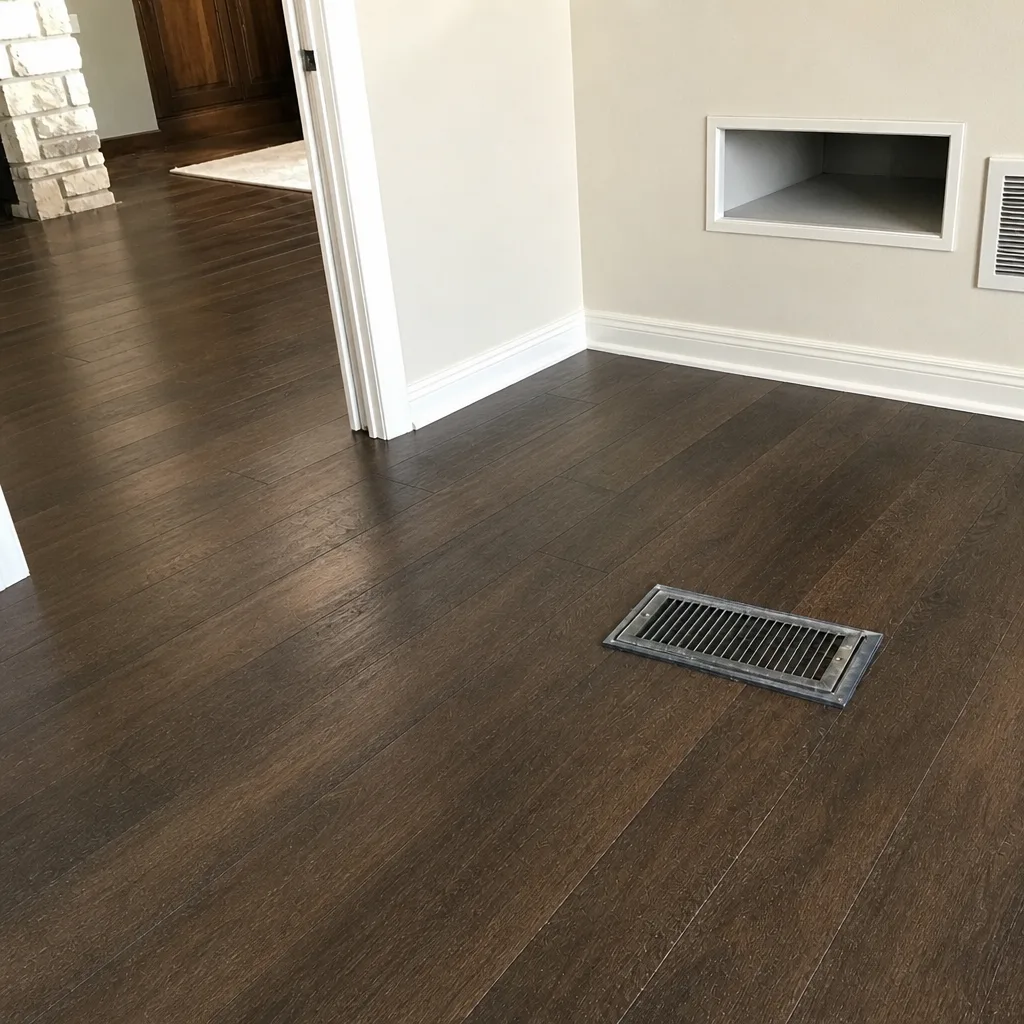 After
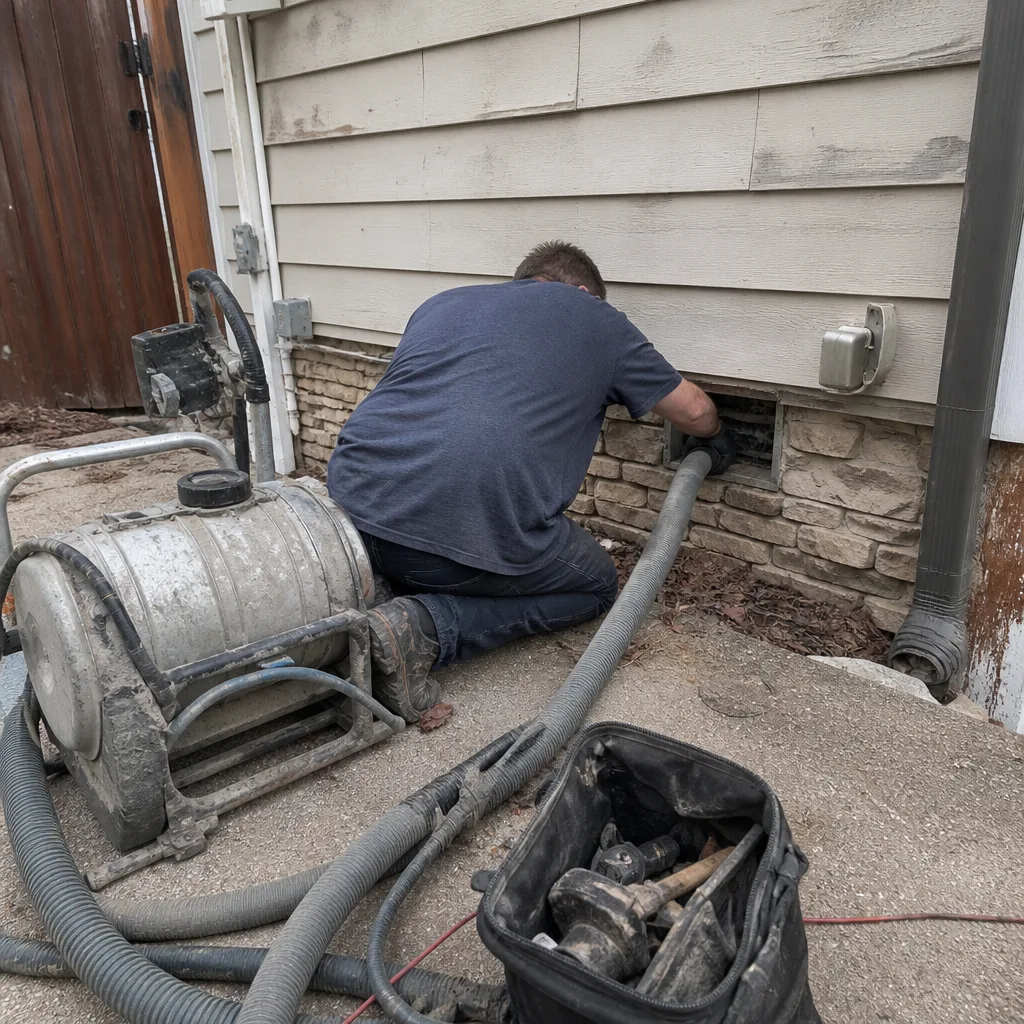 Before
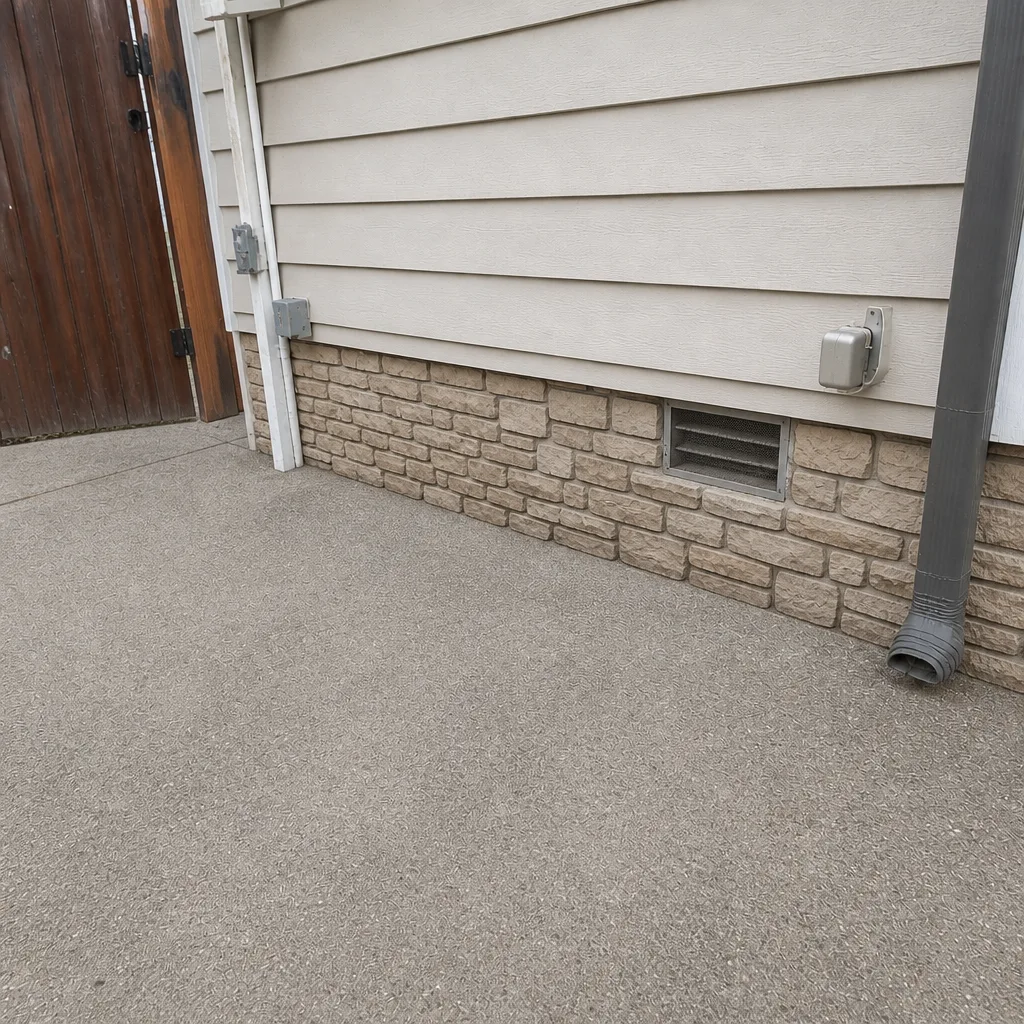 After
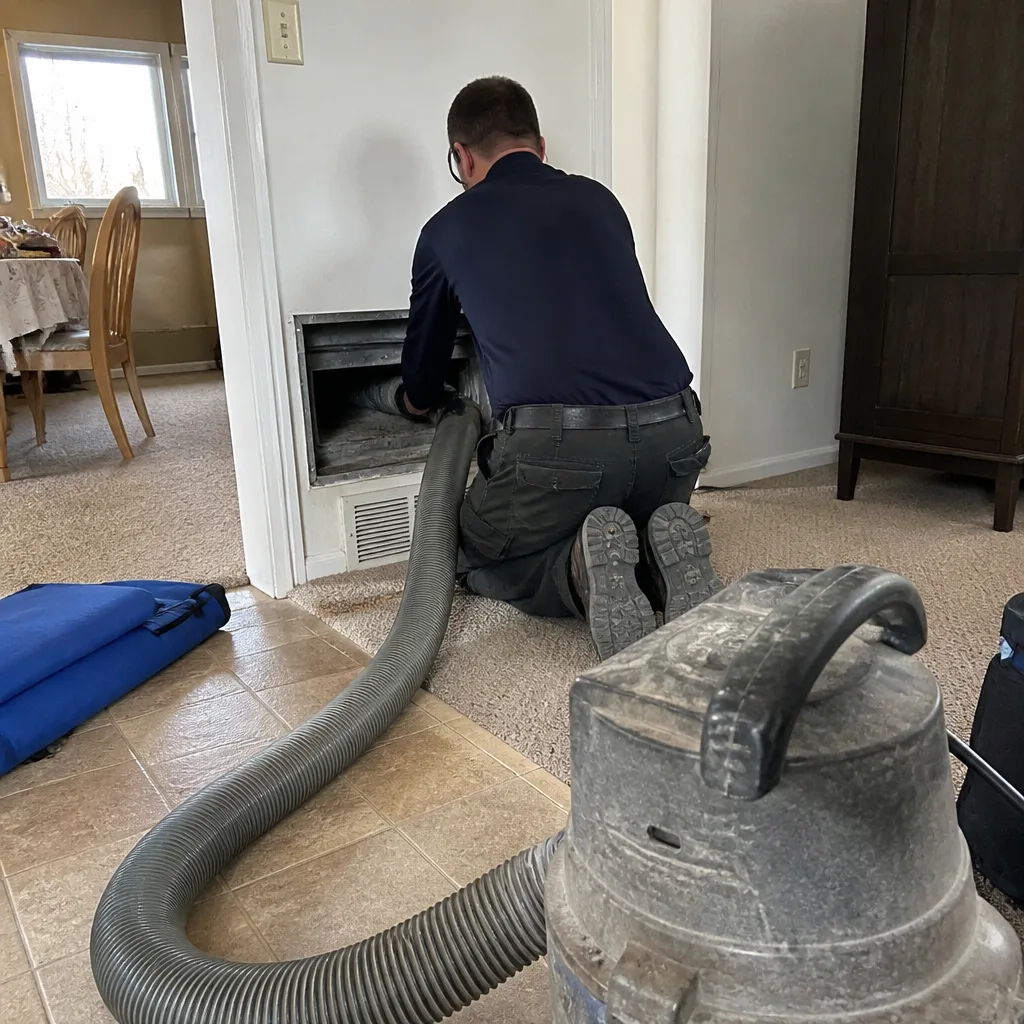 Before
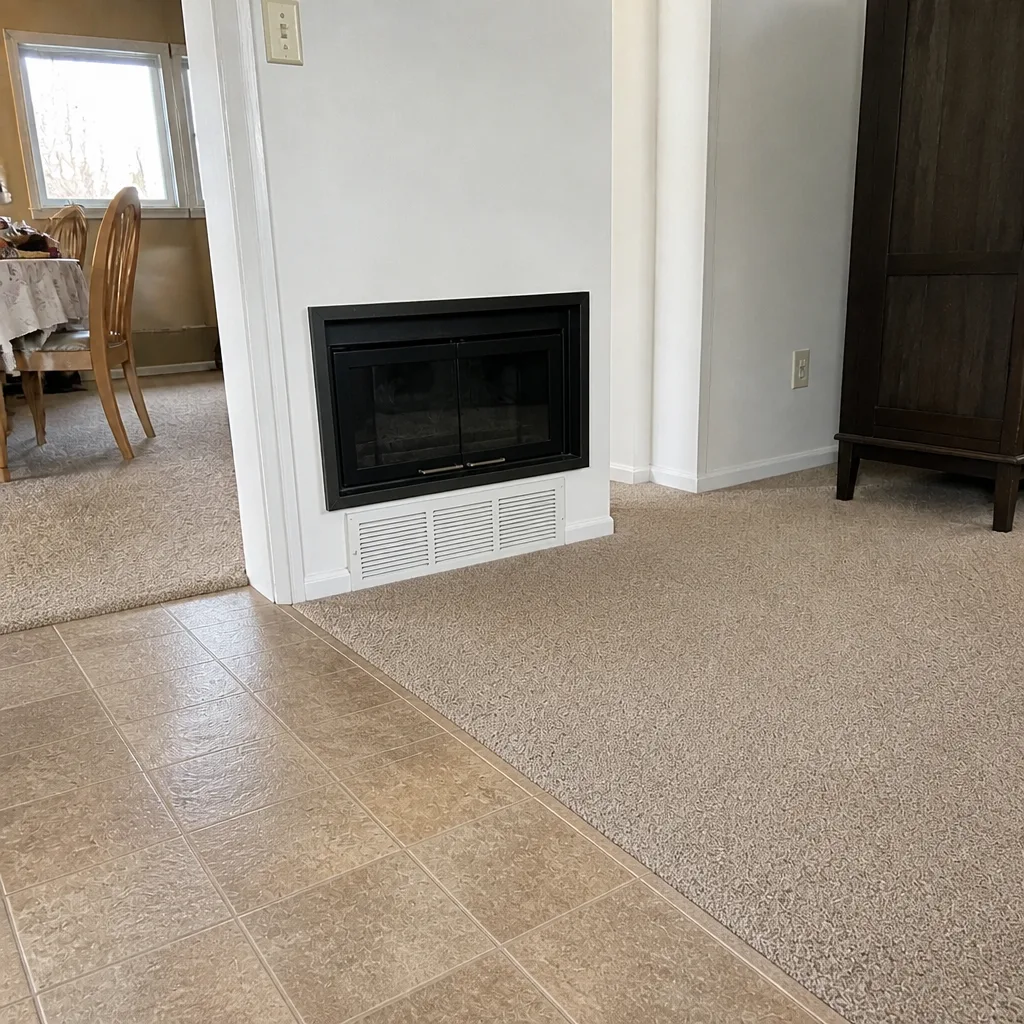 After
Common Mistakes to Avoid
- Brushing a duct with a shop vac attached to the register. As the opening of this guide explains, that setup pushes dislodged material deeper into the system rather than out of it.
- Cleaning only the supply side. The return side carries the worst of the load, since everything the house filters comes in there first. A cleaning that skips the return and air handler is incomplete.
- Assuming a cheap coupon is the full price. The industry’s bait-and-switch problem is real. Ask for a per-system price in writing, and ask what’s included at that price.
- Cleaning a leaky system without sealing it. Dust will simply re-enter through the same gaps. In an older Boulder home, have the joints inspected and sealed as part of the job.
- Brushing mold or pest debris yourself. Disturbing biological material without containment spreads it. Stop using that branch and call a professional.
- Ignoring the dryer vent. It’s a fire-safety item, and clear annual access is part of keeping the home safe. Clean the accessible end and have the full run serviced professionally.
- Relying on a filter to compensate for dirty ducts. A filter captures what passes through it; it doesn’t remove what’s already settled in the duct walls. The two tasks are separate.
When to Call a Professional
Call a professional when you’ve found biological growth, pest debris, or water in the system; when the home is older and the ducts haven’t been cleaned in years; when airflow is uneven or the blower is clearly struggling; or when allergy symptoms spike when the system runs. Call after a renovation with heavy drywall work, after a significant wildfire smoke event, or if a quoted price seems to exclude the return and air handler. Call before a move-in if you’re buying a home you suspect hasn’t been maintained.
Boulder Air Duct Cleaning Co offers free estimates in Boulder – call (866) 328-8803. We answer 24/7. Fast dispatch from 7am to 7pm, Sunday through Friday. We’ll tell you straight whether the system needs cleaning or just sealing, and we’ll show you the photos.
Frequently Asked Questions
We don’t quote a price without seeing the system, because the honest cost depends on the number of runs, the state of the return and air handler, and whether sealing is needed. A home with a single forced-air system and a clean return costs less than an older Boulder home with a retrofit system that needs its joints sealed. What we won’t do is quote a coupon price and then add charges on site. Ask any provider whether their price is per system or per vent, and get it in writing before work starts. Call (866) 328-8803 for an exact quote – estimates are free.
A low quote usually means something is left out: the return side, the air handler and coil, or the sealing step. Some quotes are priced per vent, which makes the headline number small and the final invoice larger. The cheap quote is cheap because the scope is smaller than the labor requires. Ask each provider what’s covered, whether they use negative air equipment, and how they seal the open registers. Call (866) 328-8803 if you want a straight comparison.
You ask for before-and-after photos of your own ducts, taken during the visit. A professional cleaning includes them because the photos are the record of the work. A crew that can’t show you the ducts as they were and as they are hasn’t given you a way to verify anything. We photograph ours. Call (866) 328-8803 to ask what a job includes.
For a well-sealed system with good filter habits, professional cleaning isn’t an annual requirement – a visual inspection and good filters will carry most homes for years. The honest triggers are renovation dust, smoke events, visible buildup in the branches, or a system that’s never been cleaned. If your inspection photos show a coated return run, that’s the signal. Call (866) 328-8803 and we’ll tell you what we see in the photos.
Yes, the accessible portion – the connection behind the dryer and the first few feet – is a reasonable homeowner task, and worth doing. The full vent run, especially in a two-story home or a long horizontal path, needs professional extraction because lint buildup there is a fire-safety issue you can’t reach. We treat dryer vent cleaning as fire safety, not as a maintenance upsell. Call (866) 328-8803 for a dryer vent estimate.
Often yes, but the priority is different from a newer home. The retrofit systems common in Boulder’s older neighborhoods tend to have leaky joints and disconnected sections, so cleaning without sealing leaves the problem half-solved. The right approach is cleaning, then inspecting the joints, then sealing. That’s a full-scope job, not just a vacuum. Call (866) 328-8803 to talk through what your system needs.
The Bottom Line
The DIY versus professional question comes down to equipment, not effort. Owner tasks – register cleaning, filter maintenance, dryer vent clearing, and a borescope inspection – are genuinely useful and make a professional visit smarter when the time comes. What consumer tools can’t do is hold a duct system under sustained negative pressure, which means the work that removes contamination rather than redistributing it needs professional-grade equipment: a negative air machine, register containment, and rotating brush tools like ours from Rotobrush and Nikro. In a Boulder home, check the ducts, know the triggers, and call before a renovation or smoke event turns a scheduled cleaning into a bigger job. Everything else is honest work you can do yourself.
Ready to stop guessing? Call (866) 328-8803 for a free estimate. We answer 24/7. Fast dispatch from 7am to 7pm, Sunday through Friday. Come in with your photos and a short list of questions, and we’ll tell you what your system actually needs.
Written by the team at Boulder Air Duct Cleaning Co.