
Last updated November 23, 2026
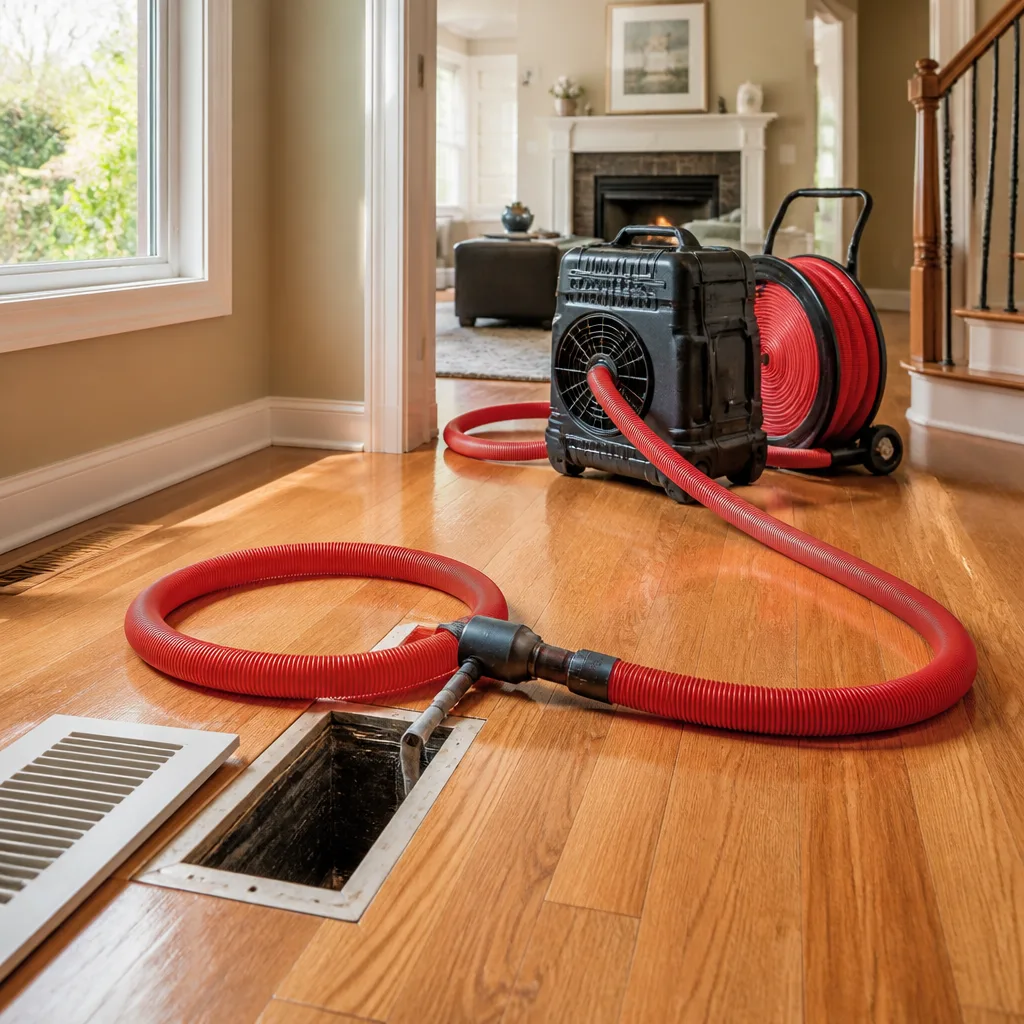 Whole-home duct cleaning
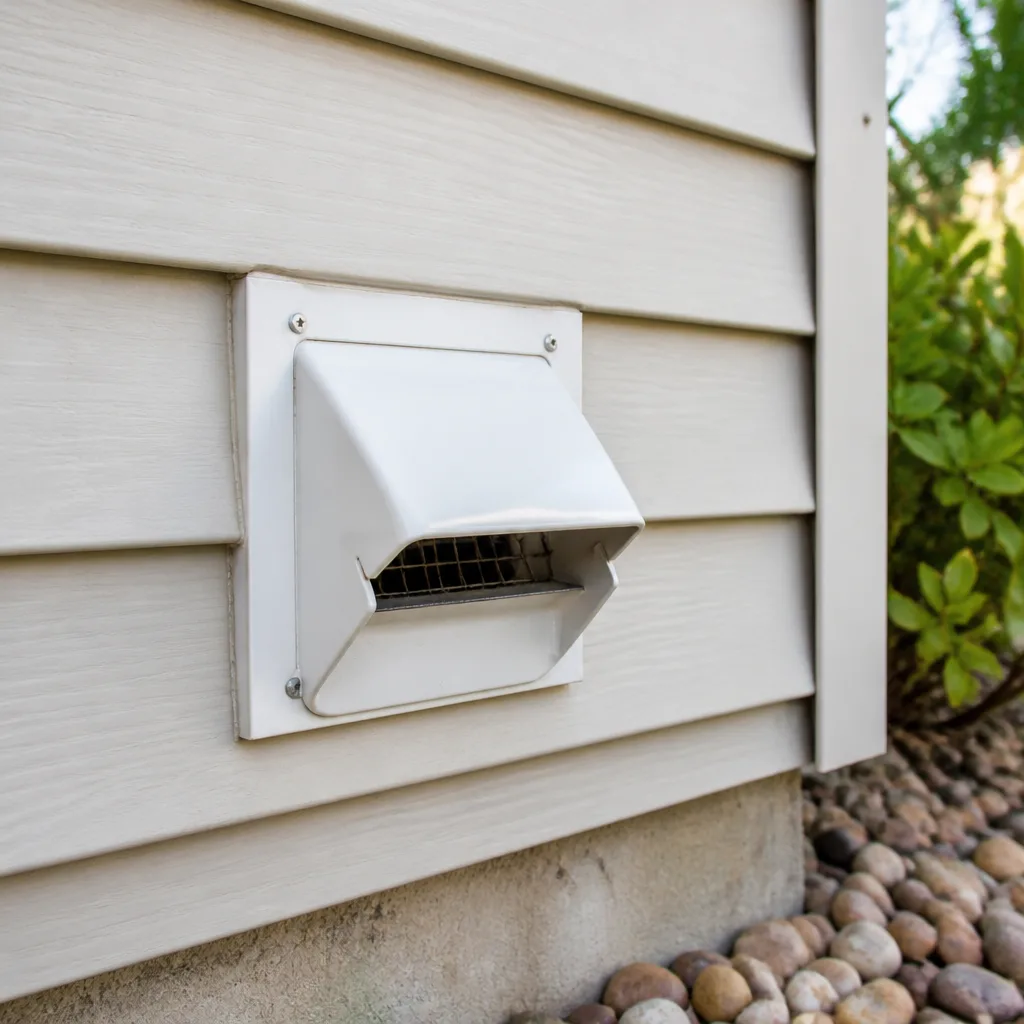 Dryer vent cleaning
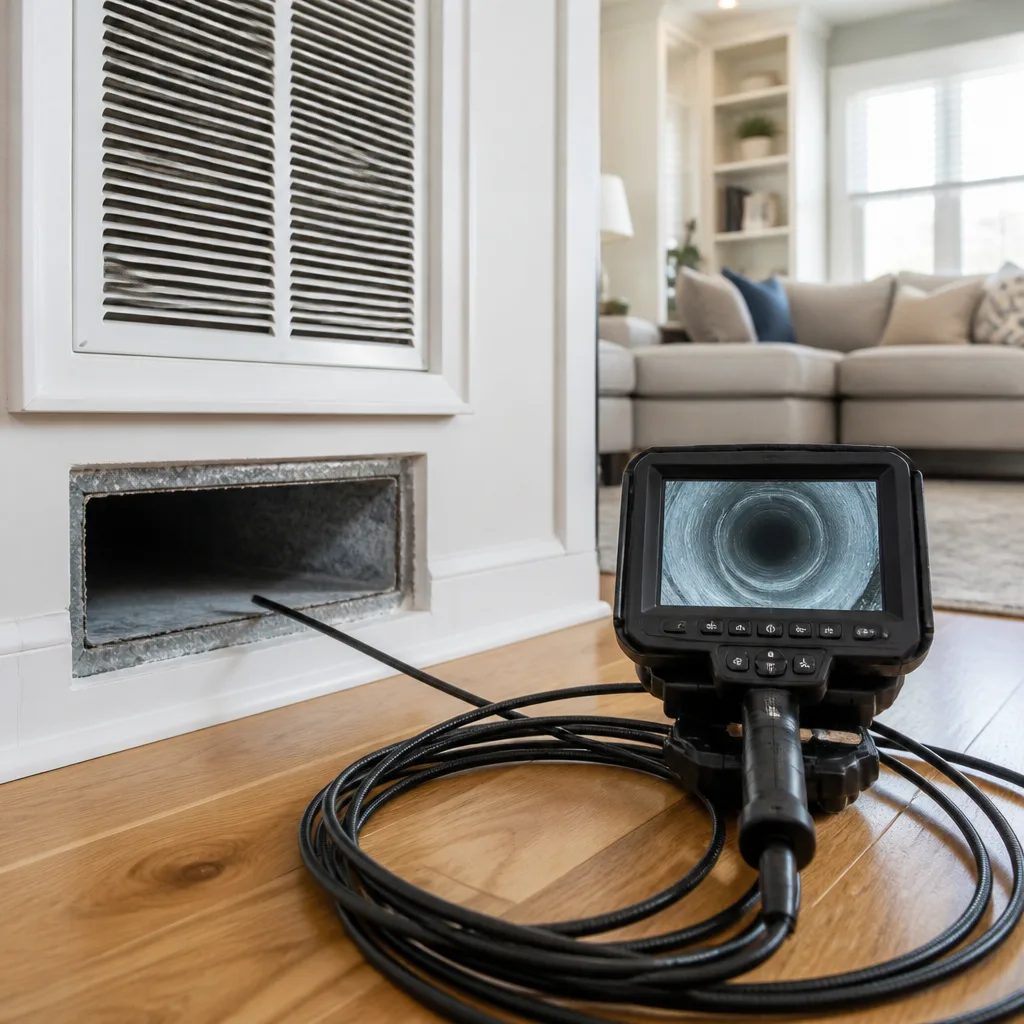 Camera inspection
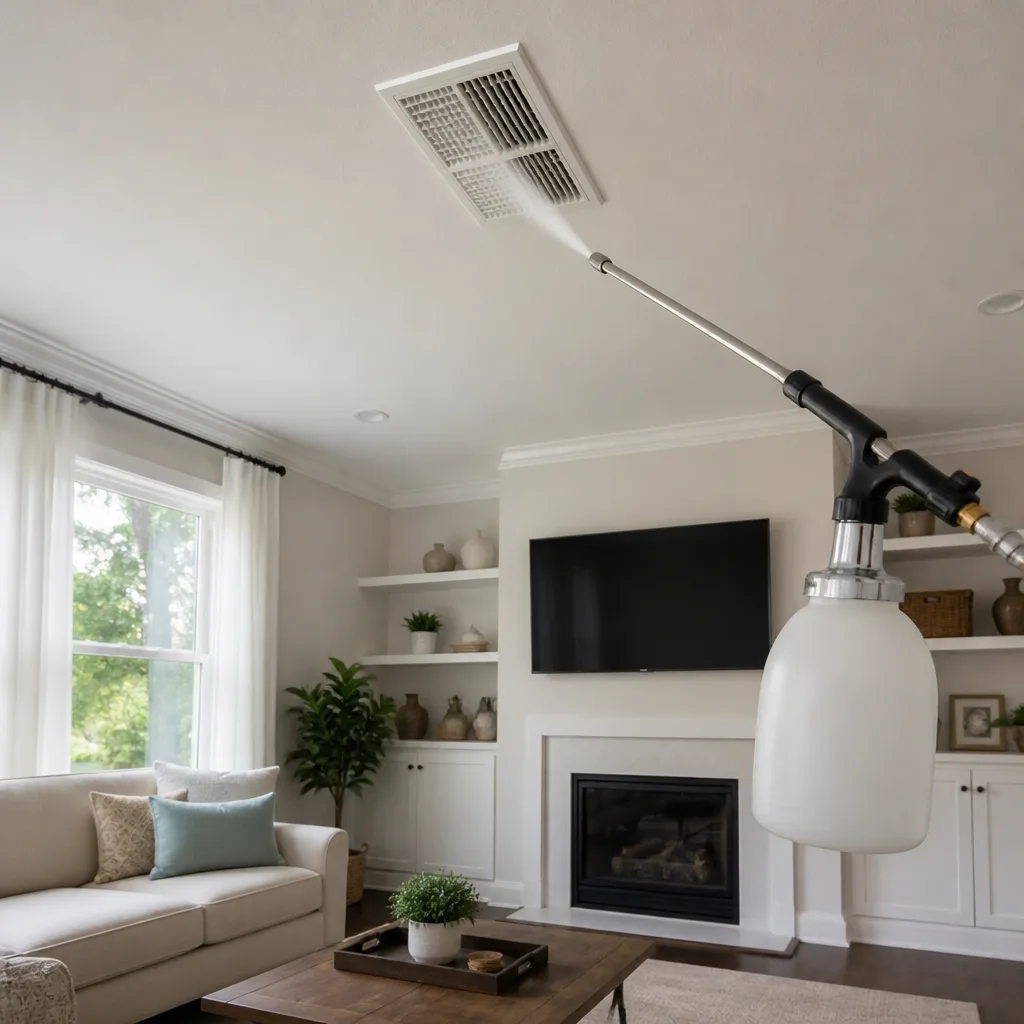 Sanitizing & deodorizing
Whole-system duct and dryer vent check with before-and-after photos - you see exactly what came out of your vents
That "$99 whole-house special" is a bait ad - the real number appears once they are in your hallway, or the "clean" is a shop-vac at the register. We photograph the inside of your ducts before and after instead.
How to Hire an Air Duct Cleaning Contractor in Boulder: A Step-by-Step Guide
Run the numbers on a $99 whole-house duct cleaning offer. Three to four hours of two-technician labor at professional wages, a truck, a negative air machine, brush tools, fuel, insurance, and overhead. The math doesn’t work, which means something in the process is being skipped: the agitation, the containment, the full system, or the honesty. Most Boulder homeowners hiring a duct cleaner for the first time discover this after the crew has left. The terminology sounds identical whether you’re talking to a legitimate HVAC specialist or a coupon operator. This guide gives you the specific questions, equipment benchmarks, and quote red flags to tell them apart before anyone walks through your door.
Quick Answer
Hire an air duct cleaning contractor in Boulder by verifying three things first: whether they hold NADCA membership or ASCS certification (and can name the credential), whether they use a truck-mounted or portable negative air machine with a HEPA filter rather than a shop vacuum, and whether they quote your whole duct system as a flat scope of work in writing rather than pricing per vent. Ask for a walkthrough before any work starts, check local reviews for process detail rather than star counts, and walk away from any quote that can’t be put in writing.
Styles & brands we work with
- Whole-home duct cleaning
- Dryer vent cleaning
- Camera inspection
- Sanitizing & deodorizing
Table of Contents
- What Certifications Actually Verify
- Equipment Questions to Ask Before You Book
- How to Read a Duct Cleaning Quote
- What a Legitimate Pre-Job Walkthrough Looks Like
- Verifying Local Reputation in Boulder
- How Boulder’s Climate Affects Duct Work
- Choosing Between Cleaning, Sealing, and Repair
- A Step-by-Step Hiring Process
What Certifications Actually Verify
Two credentials separate the professionals from the coupon crowd in Boulder: NADCA membership and ASCS certification. Neither is legally required to run a duct cleaning business, which is exactly why they matter. They’re voluntary, and they require effort to hold.
The National Air Duct Cleaners Association (NADCA) publishes the industry’s accepted standard for how duct cleaning should be performed, including the source-removal principle: contaminants must be dislodged and removed, not simply stirred up and left to settle elsewhere in the system. A NADCA member has agreed to work to that standard and typically has access to the association’s training, technical guidance, and inspection tools.
ASCS stands for Air Systems Cleaning Specialist, a certification issued through NADCA’s education arm. It verifies that an individual technician has been trained on system inspection, contaminant identification, cleaning methods, and post-cleaning verification. When a company says “our lead tech is ASCS certified,” that’s a specific claim you can verify through NADCA’s directory.
What does the absence of either mean? Not automatically that the company is bad. But it does mean you’re relying on nothing more than their word about how they clean. In Boulder, where plenty of legitimate HVAC companies offer duct cleaning as a side service and plenty of bargain crews offer it as their only service, the presence of one credential or the other is the fastest filter you have. Ask directly: “Are you a NADCA member, and is your lead technician ASCS certified?” A qualified contractor answers in one sentence. A hesitant answer tells you something.
What the credentials do not cover
Certification verifies process knowledge. It does not verify pricing, insurance, or local service quality. You still want to ask about general liability coverage and confirm the company carries it, and you still want to check that reviews describe actual work. The credential is the floor, not the ceiling.
Equipment Questions to Ask Before You Book
The single most useful question you can ask a Boulder duct cleaning company is: “What equipment will you bring into my house?” The answer tells you more than any marketing page. Surface cleaning with a shop vacuum and a hand brush disturbs debris and leaves most of it behind. Professional cleaning requires three specific pieces of equipment working together.
Negative air machine and CFM
A negative air machine (also called a vacuum unit or collection unit) pulls the duct system into negative pressure so dislodged debris travels toward the collection point rather than into your living space. Ask about the machine’s rated airflow (CFM) and whether the exhaust is HEPA-filtered. Professional-grade units from brands like Nikro or Abatement Technologies move serious volume and filter the exhaust so fine particulate doesn’t get blown back into the room. If the answer is “a really strong shop vacuum,” you’re talking to the wrong company.
Brush system type
Abrasion is what actually removes the adhered layer of dust, dander, and debris from duct walls. Ask whether they use a rotating brush system or compressed-air tools, and whether the brush reaches both supply and return sides. Rotobrush equipment is a standard in the industry for a reason: the rotating brush head and integrated vacuum are designed to clean as they agitate. A crew that only wipes register covers and blows compressed air down the duct is not cleaning the system.
HEPA filtration on the exhaust
Whatever the collection machine, the exhaust must be HEPA filtered. Without it, microscopic particles pass through the filter bag and back into the room, which defeats the point. This question alone distinguishes a real operation from a crew running a hose into a trash bag.
Sanitizing and post-cleaning treatment
Ask what happens after cleaning. Chemical sanitizing should be optional and always disclosed in the scope and price. You should never be sold a sanitizing treatment on the spot without it appearing in the written quote, and you should never be told “we already did it, that’s $200 extra.”
- Negative air machine: truck-mounted or portable, with rated CFM and a HEPA-filtered exhaust.
- Brush system: rotating brush or equivalent agitation tool, not just compressed air.
- Inspection tools: a camera or video inspection to confirm the duct is clean after the work, not just before.
- Containment: register covers, drop cloths, and a plan for keeping dust out of living space during the job.
How to Read a Duct Cleaning Quote
Duct cleaning quotes in Boulder come in three shapes: flat whole-system pricing, per-vent pricing, and locked fees with add-ons. Only the first is reliable. Per-vent pricing is the industry’s most common bait-and-switch structure. A low headline number gets the truck to your door; the total climbs once the technician counts your registers and applies a per-vent charge, adds a “heavy soil” fee, and upsells sanitizing and duct sealing on site.
A flat, whole-system price agreed before work starts means you know the number before anyone walks in, and the technician has no incentive to inflate the job mid-visit. That structure is what a written scope of work looks like when it’s honest. We actively recommend that homeowners in Boulder get at least two whole-system written estimates before booking.
What a written scope of work should include
- The number of supply and return registers covered in the flat price.
- The equipment to be used, with model names or at least brand names.
- What’s included versus what’s extra (sanitizing, sealing, repair).
- Whether dryer vent cleaning is bundled or separate.
- A stated figure, not “starting at” or “as low as.”
- Any condition that would change the price, spelled out in advance.
If you can’t get items one through six in writing before you book, the price you were quoted is not the price you’ll pay. Ask the person on the phone to send it in a text or email. A legitimate operation will.
Red flags in the quote process
- Per-vent pricing. Total cost is unknowable until the technician counts.
- No written scope. Verbal pricing is a moving target.
- “Starting at” language. The number isn’t the number.
- Refusal to explain the process. If they won’t describe the equipment, they don’t have it.
- Upsell pressure on arrival. A technician who tells you your ducts need sanitizing or sealing “right now” before doing a proper inspection is guessing.
What a Legitimate Pre-Job Walkthrough Looks Like
The walkthrough is the step most Boulder homeowners don’t know to expect, and the one that separates a professional from a guesser. Before any equipment is brought in, a qualified technician should walk your home, look at the HVAC system, count the registers, open the air handler access panel, check the filter, and ask about symptoms (musty odor, uneven airflow, allergy flares, recent remodeling). That’s five to ten minutes of information gathering. Skip it, and the scope is a guess.
A real walkthrough covers: the condition of the air handler coil and blower, the layout of supply and return runs, visible duct connections at registers, the filter and filter slot condition, and any signs of pests, moisture, or disconnected duct sections. If the technician finds a physically disconnected flex duct, a torn section, or a collapsed run, they should tell you, because cleaning a broken duct is pointless until it’s repaired.
Watch for these behaviors during a Boulder walkthrough:
- Asks about symptoms. “What made you call us?” is a real inspection question.
- Opens the air handler. Coil and blower condition tell them how the system has been running.
- Counts registers out loud. It means the quote and scope will match.
- Says what they won’t do. A technician who tells you “this section doesn’t need cleaning” or “that seal is fine” is reading the system, not selling to it.
- Confirms the price in writing before starting. No surprises on the way out the door.
If a contractor won’t look inside the system before quoting, that’s the moment to make another call. You’re hiring a trained process, not a coupon code.
Verifying Local Reputation in Boulder
Star ratings tell you almost nothing on their own. A five-star average with eight reviews and a five-star average with three hundred are different animals, and a series of four-star reviews that describe the work in detail is worth more than a wall of four-word five-star comments. Read for process, not for score.
In Boulder specifically, look for reviews that mention:
- The equipment used (brush system, negative air machine, HEPA filter).
- The quote matching the final invoice.
- Before-and-after photos of the customer’s own system.
- The technician’s walkthrough or pre-job inspection.
- What the company did when something went wrong (a broken hose, a scheduling hiccup).
- Repeat customers, who describe the first job and the second, in that order.
Then look for the patterns that suggest problems: multiple reviews mentioning the final price being higher than the quote, complaints about dust being blown into the house during cleaning, or a cluster of recent one-star reviews mixed with a much larger bank of older five-star ones. Read the company’s responses, too. How a company handles a complaint tells you how it will handle yours.
Ask local questions during the call: whether they serve your neighborhood (Boulder’s housing stock varies block to block, and the HVAC layout in Gunbarrel doesn’t match what’s in the older homes near Chautauqua), whether they’ve worked on your type of system (heat pump, boiler-fed air handler, hot water baseboard plus ducted AC), and whether they can put the scope in writing. A company that’s genuinely local answers these without hesitation. One that books from a call center out of state usually doesn’t.
How Boulder’s Climate Affects Duct Work
Boulder’s dry air, big seasonal temperature swings, and winter heating demand shape how duct systems perform here. Rocky Mountain dryness means dust in a duct system dries out and becomes more airborne than it would in a humid climate; it also means static and fine particulate buildup is a consistent complaint. Homes run their heating systems hard during cold snaps and then sit with closed windows and recirculated air during forest-fire smoke season, which loads return-side ductwork with fine ash and debris.
That has three practical implications for hiring:
- Return-side duct cleaning matters as much as supply. Most of the loading happens on the return, where air is pulled back to the air handler. A quote that covers “vents” without specifying both sides is incomplete.
- Seasonal timing affects what you’ll see. Post-heating-season cleaning (spring) often reveals more debris than mid-summer cleaning, because the winter put it there.
- Winter heating bills respond to sealing, not just cleaning. If you’re seeing rooms that never warm up, the issue is often distribution, not just dirt. Duct repair and sealing fixes gaps that leak conditioned air into crawlspaces and attics.
Boulder homes also span a wide range of eras. Mid-century ranch homes in Table Mesa, newer builds in Gunbarrel and the east side, and the older housing stock near downtown all have different duct layouts and configurations. A contractor who works regularly in Boulder knows the differences and will ask which neighborhood you’re in before quoting.
Fire season is now part of the local picture, and it changes what duct cleaning is for. Homeowners in Boulder who’ve kept windows closed during smoke events often find their return ducts loaded with fine particulate, and the difference between a real cleaning and a surface pass is visible on the filter and the after-photo. When we look at a system after a heavy smoke season, we pay attention to the return side and the filter assembly. Companies that stock and understand Honeywell and Aprilaire filtration systems will recommend the correct filter and cabinet upgrade; companies that don’t will hand you whatever fits.
Choosing Between Cleaning, Sealing, and Repair
Most homeowners calling about duct work assume they need “cleaning.” In our experience, a fair number actually need cleaned, repaired, and sealed, in that order. Knowing which you’re in for is the difference between a good invoice and a return visit three months later.
- Cleaning removes the accumulated debris from a sound system. This is the fix when the ductwork is intact and the complaint is dust, odor, or allergens.
- Repair fixes physical problems: disconnected flex runs, torn duct liner, crushed sections, failed mastic at the joints. Cleaning a broken duct is wasted money; the system will be dirty again in a season.
- Sealing closes the leaks between duct sections and at register boots. This is the fix when the complaint is uneven airflow, rooms that don’t heat or cool properly, or high utility bills without a known cause.
The three services belong together, and a full-service duct provider handles all of them under one scope. If a cleaning crew tells you they can’t seal or repair what they find, you’ll be coordinating two contractors on the same system. Ask before booking whether the company performs duct repair and air quality work alongside cleaning, or whether you’d need to bring in someone else.
If you’re calling primarily because the system smells musty or you’re noticing allergy symptoms at home, cleaning plus sanitizing is usually the right starting scope. If you’re calling because the dryer is taking two cycles to dry a load, that’s actually dryer vent cleaning, which is a fire-safety service first and a performance service second. Dryer vents collect lint at a rate that concerns every fire marshal in the country; a blocked vent is the ignition pathway, not just a nuisance. Ask whether the company handles that as a separate service, or whether you’ll need a second call.
A Step-by-Step Hiring Process
Here’s the process we recommend to Boulder homeowners from initial search to signed scope. Working through it takes about an hour of your time and prevents the most common mistakes.
- Search and shortlist three companies. Search for “air duct cleaning Boulder” and note which companies appear with detailed service pages rather than coupon ads. Shortlist three that claim NADCA membership or ASCS certification.
- Verify the credential. Check NADCA’s online directory for the company or technician named. If the name isn’t there, ask them why not.
- Call and ask the equipment questions. Negative air machine, brush system, HEPA exhaust, inspection camera. Note which companies answer in specifics and which answer in generalities.
- Request a written whole-system quote. The figure should include the number of registers, the equipment, and what’s excluded. If you can only get a “starting at” number, that’s a red flag.
- Book a time slot that lets the technician walk the system first. No walkthrough, no booking.
- Confirm the flat price in writing on arrival, before work begins. The technician agrees on the scope and the price, then starts.
- Ask for before-and-after photos of your own system. Not stock photos, not “similar work we did.” Yours.
- Review the invoice against the quote. If they match, you hired well. If they don’t, you know for next time.
If your call is for a system that needs cleaning plus sealing, or cleaning plus repair, all three categories fall under the same larger service: HVAC cleaning at the system level, not just the duct runs. Ask whether the quote covers the air handler, coil, and blower, or only the ductwork. A complete scope touches all of it. If you’re calling about air duct cleaning alone, confirm that the quote covers both supply and return and that the standard includes a post-cleaning inspection so you know what “done” means.
Common Mistakes to Avoid
- Booking on the headline price. The cheapest quote in Boulder is usually the one with the biggest gaps: no negative air machine, no brush, no written scope. By the time the technician is in the house, the total has doubled and you’ve lost the choice.
- Not confirming per-vent versus flat whole-system pricing. Ask explicitly. Then ask again in writing.
- Skipping the credential check. A company can say “certified” all day; NADCA’s directory is the source that verifies it. Five minutes of checking prevents a bad afternoon.
- Accepting “we’ll inspect as we go.” The scope should be set before work starts, not discovered mid-job and priced after.
- Ignoring the return side. If the quote doesn’t say return ducts, assume they’re not included. Most of Boulder’s dust collects there.
- Booking a cleaning when the system needs repair first. Disconnected flex or a crushed run means cleaning is money down the drain until the duct is fixed. Ask the walkthrough technician to check.
- Scheduling the dryer vent as an afterthought. If your dryer is on the same wall as your furnace, get both inspected on the same visit. It’s a fire-safety check, not an upsell.
See the difference
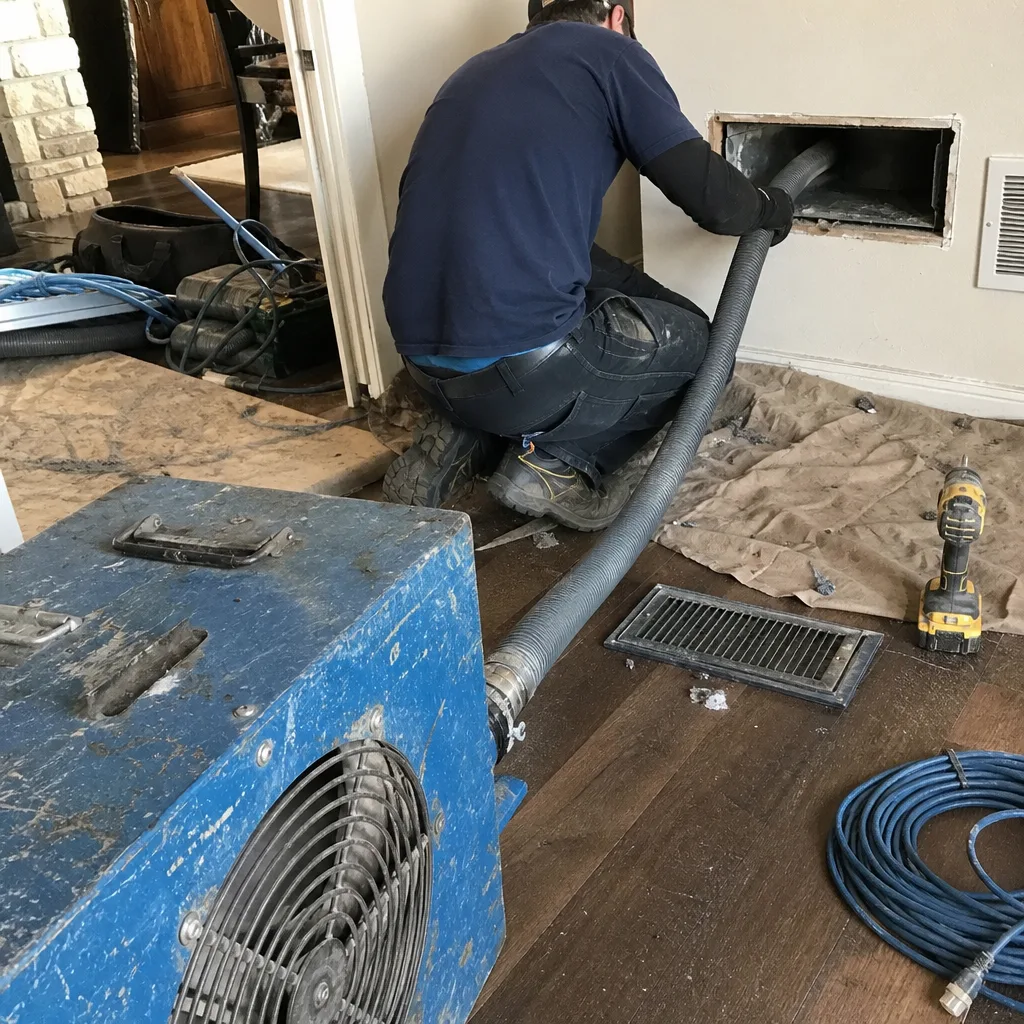 Before
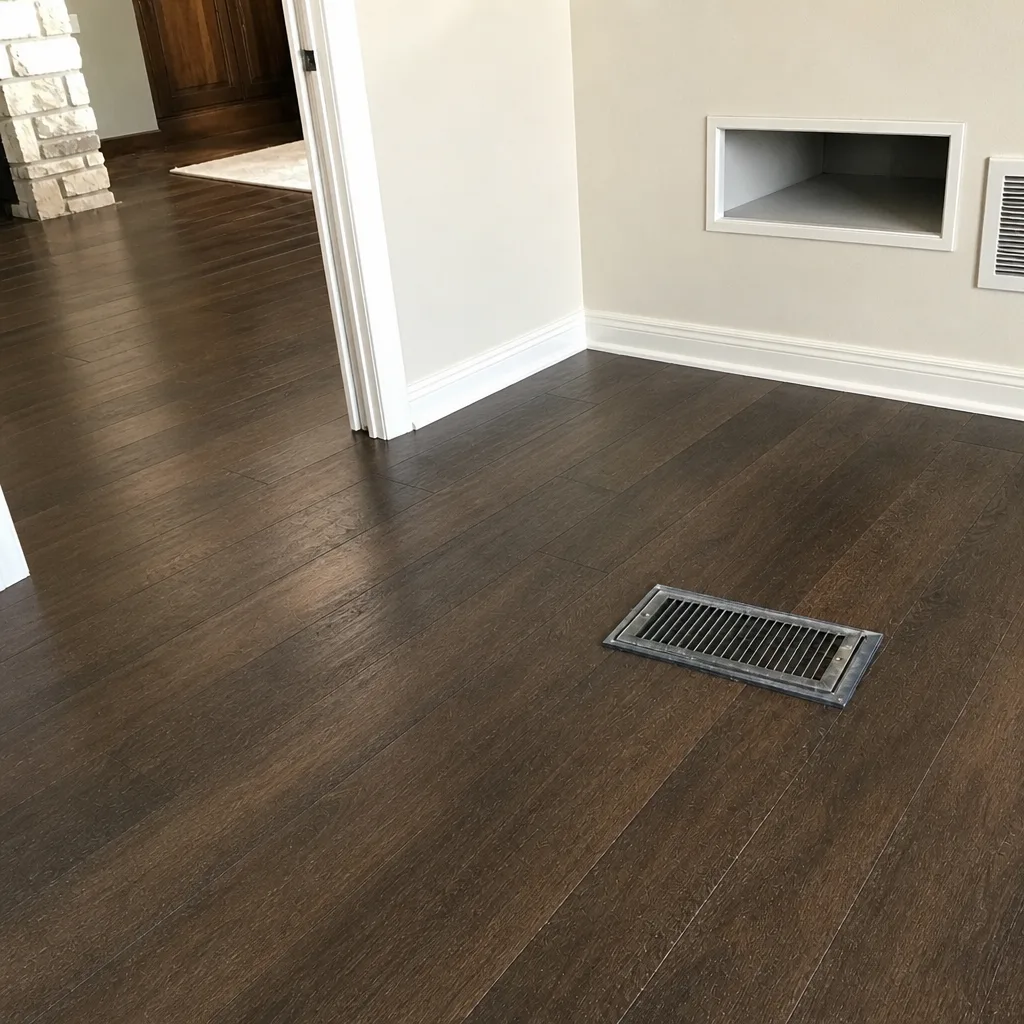 After
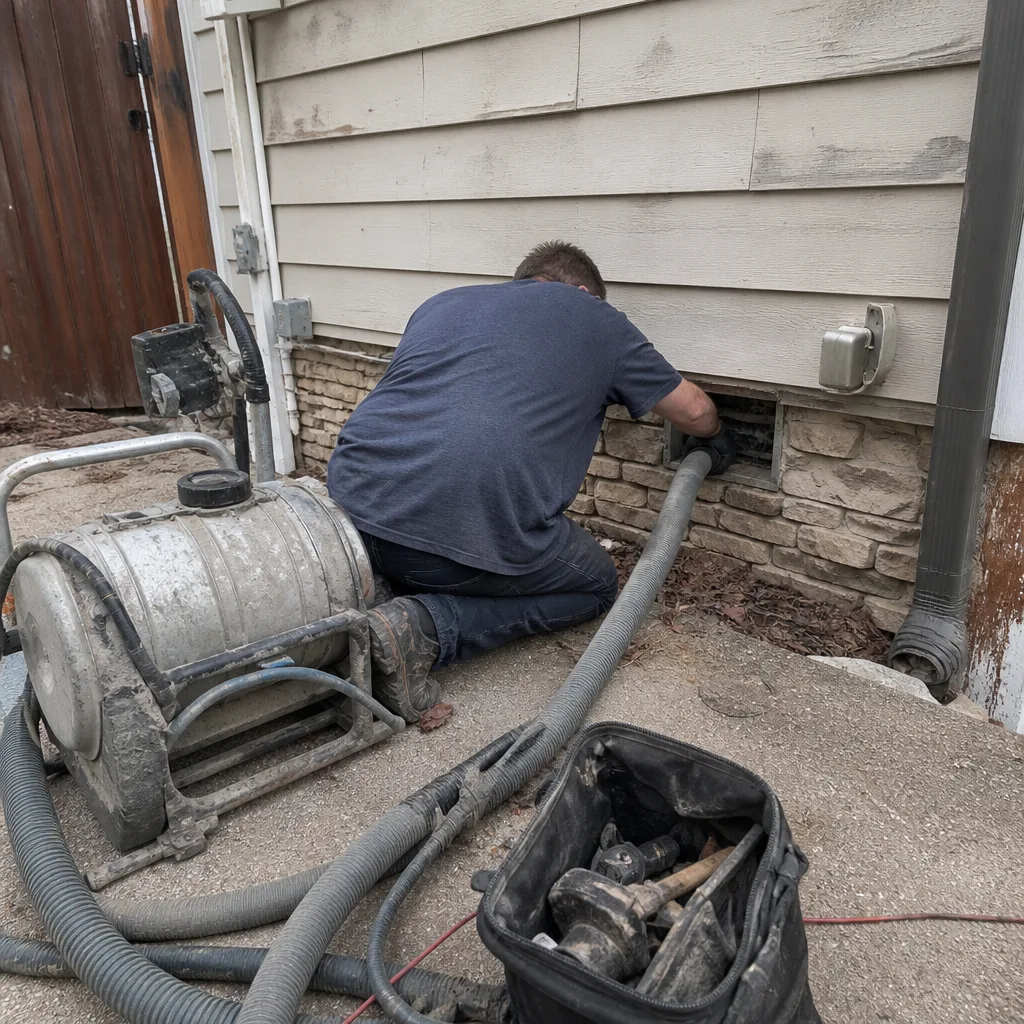 Before
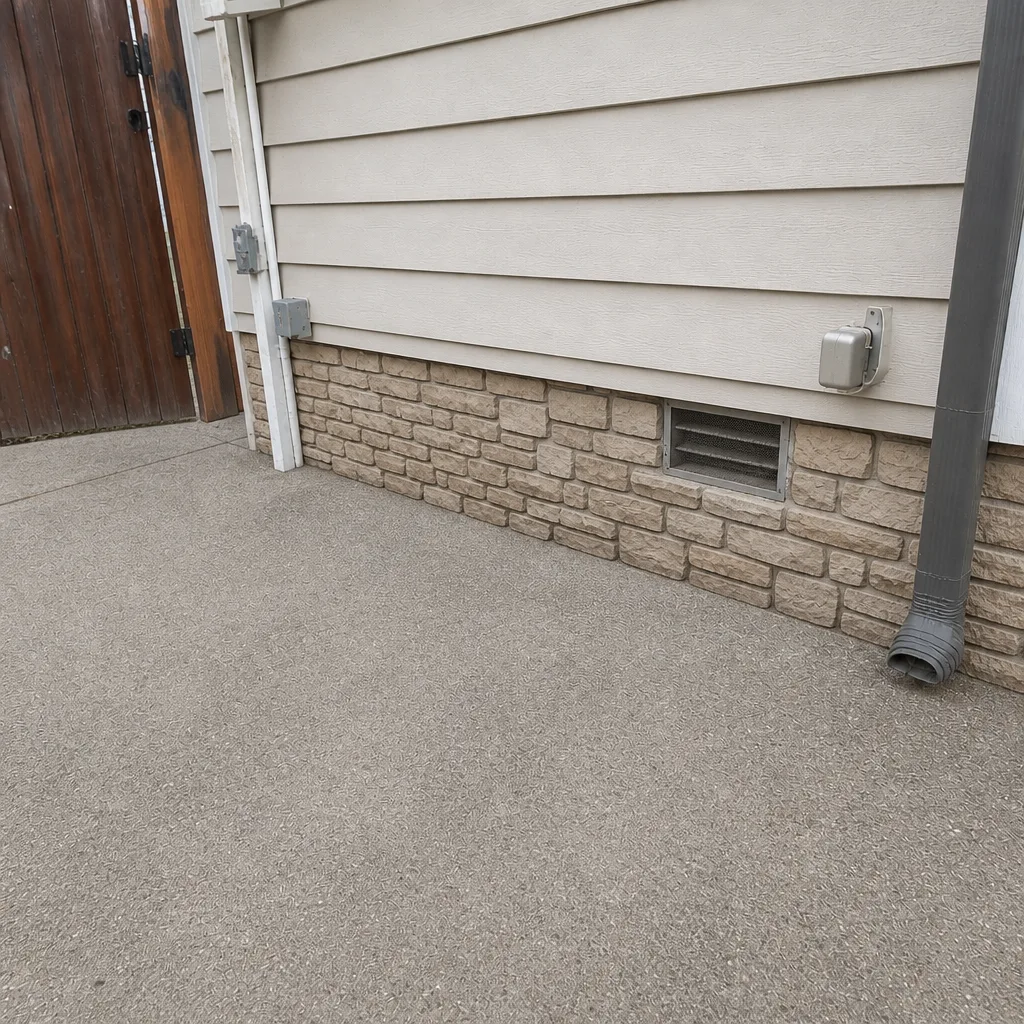 After
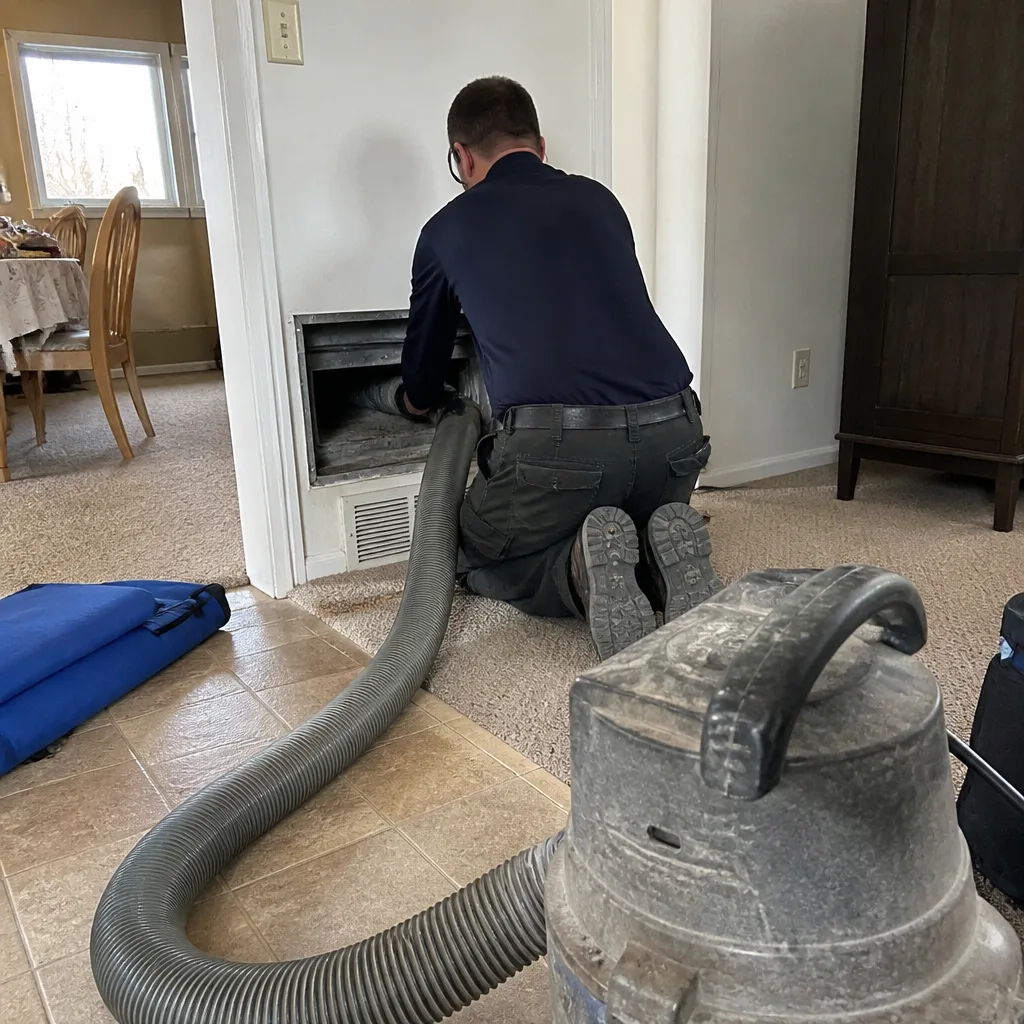 Before
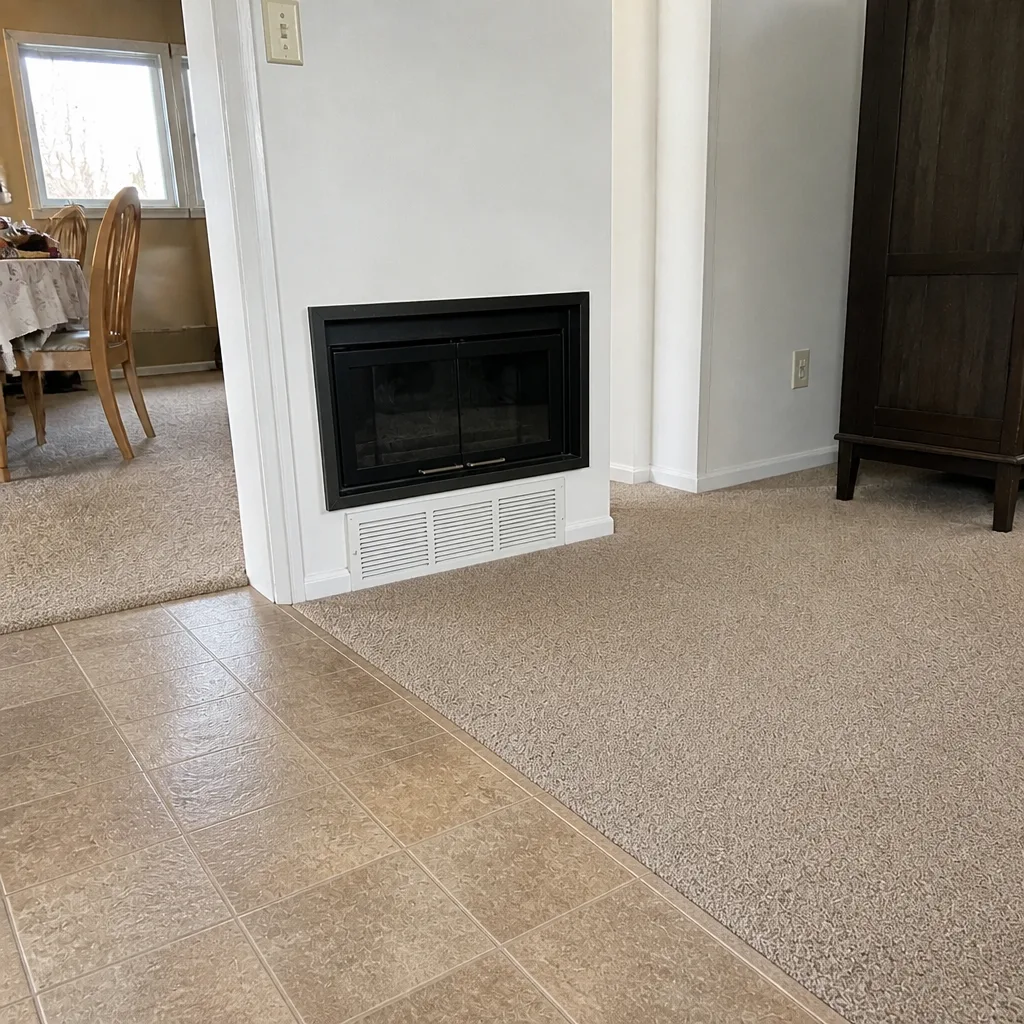 After
When to Call a Professional
Call a professional duct company in Boulder when you notice any of the following: musty or smoky odors that return when the furnace or AC runs, dust patterns around registers that reform within a week of cleaning, allergy symptoms that improve when you’re out of the house, uneven heating or cooling between rooms, a recent remodel or drywall project, pest activity in the ductwork, or a dryer that takes more than one cycle to dry a load. Any of these is a reason to book a walkthrough, not a reason to book the cheapest coupon. Boulder Air Duct Cleaning Co offers free estimates in Boulder, and our technicians have up to 9 years of experience reading systems like yours. Call (866) 328-8803. We answer 24/7. Fast dispatch from 7am to 7pm, Sunday through Friday.
Frequently Asked Questions
There’s no single industry price, and any Boulder company quoting you a flat figure before seeing your system is guessing. The honest answer is that a whole-system cleaning is priced per job by a written estimate: the size of your system, the number of registers, whether the return side is accessible, and whether repair or sealing is needed all affect the number. Ask for the written scope and the price together, and ask what would change it. Call (866) 328-8803 for a free estimate.
Because they’re not quoting the same job. A very low headline price usually assumes a shop vacuum and a hand brush, per-vent add-on pricing, and a mid-visit upsell. Professional equipment (a truck-mounted or portable negative air machine, a rotating brush system, HEPA-filtered exhaust, an inspection camera) costs real money to buy and run, and that cost sits in a legitimate quote. The cheap quote is cheaper because it’s skipping steps. Call (866) 328-8803 for a written whole-system quote.
Ask for before-and-after photos of your own system, not stock images. A professional technician takes photos at the register boots and the air handler during the job and shares them when the job is complete. You should also be able to look at your registers and return grilles after the visit and see that they’re clean, and to see the collected debris in the machine’s filter. If a company won’t take photos of your specific system, that’s information about how they work. Call (866) 328-8803 for a free estimate.
Most homes in Boulder don’t need duct cleaning on a fixed schedule; they need it when there’s a reason. A home with pets, recent remodeling, allergy sufferers, or a smoking season like the last few summers justifies a cleaning every few years. A home with none of those triggers may go much longer between cleanings. A yearly maintenance cleaning is a sales pitch, not an industry standard. Call (866) 328-8803 for an assessment of what your system actually needs.
No, NADCA membership and ASCS certification aren’t legally required in Colorado. But they’re the fastest way to verify that the company has agreed to an industry standard for source removal, system inspection, and post-cleaning verification. Plenty of legitimate HVAC companies offer duct cleaning without either credential, and their process quality depends on their equipment and training. Ask both questions and see what you get.
It depends on where your dryer vent runs. If it shares a wall or path with your furnace and ductwork, scheduling them on the same visit is efficient. If not, treat them as separate services. Either way, dryer vent cleaning is a fire-safety service first: a lint-blocked vent is the ignition path for a dryer fire, and it’s cheap to prevent. Call (866) 328-8803 to confirm what a combined scope would cover.
The Bottom Line
The Boulder duct cleaning market includes real specialists and coupon operators using the same words, and the only way to tell them apart is the specific questions you ask before you book. Verify the credential, ask about the negative air machine, the brush system, and the HEPA filter, and demand a written whole-system scope before anyone steps inside. A pre-job walkthrough, before-and-after photos of your own system, and a final invoice that matches the quote are the three markers of a job done right. If any of those are missing, the quote isn’t the price.
If you’re ready to move forward, call Boulder Air Duct Cleaning Co at (866) 328-8803 for a free estimate. We answer 24/7. Fast dispatch from 7am to 7pm, Sunday through Friday.
Written by the team at Boulder Air Duct Cleaning Co.