
Last updated November 23, 2026
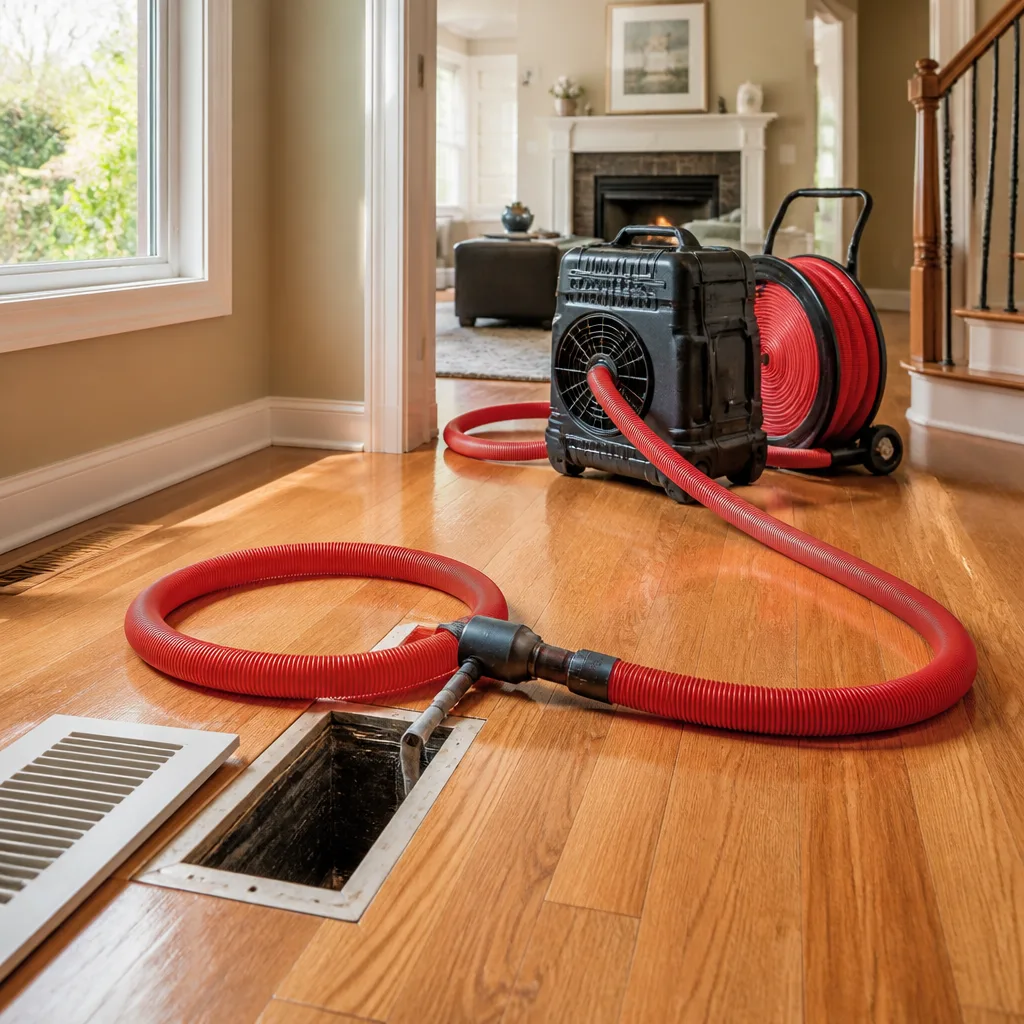 Whole-home duct cleaning
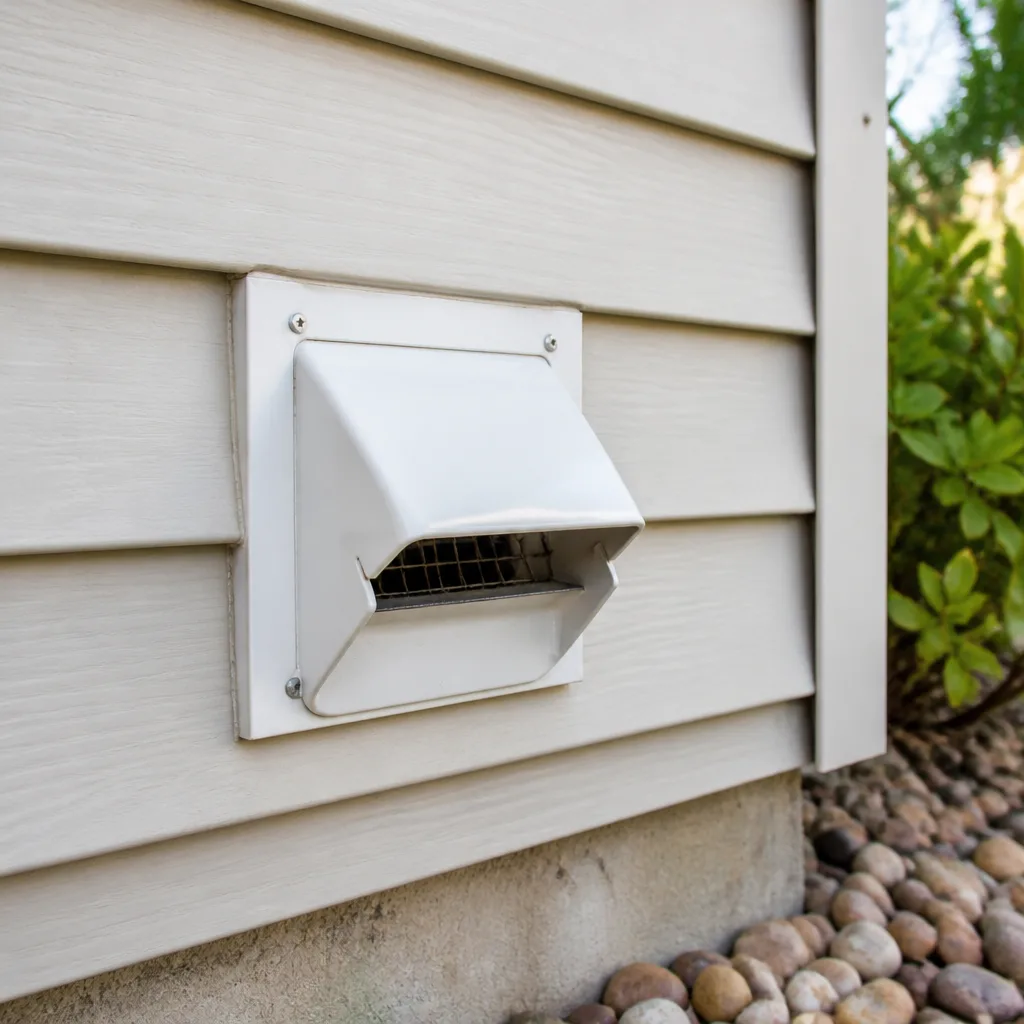 Dryer vent cleaning
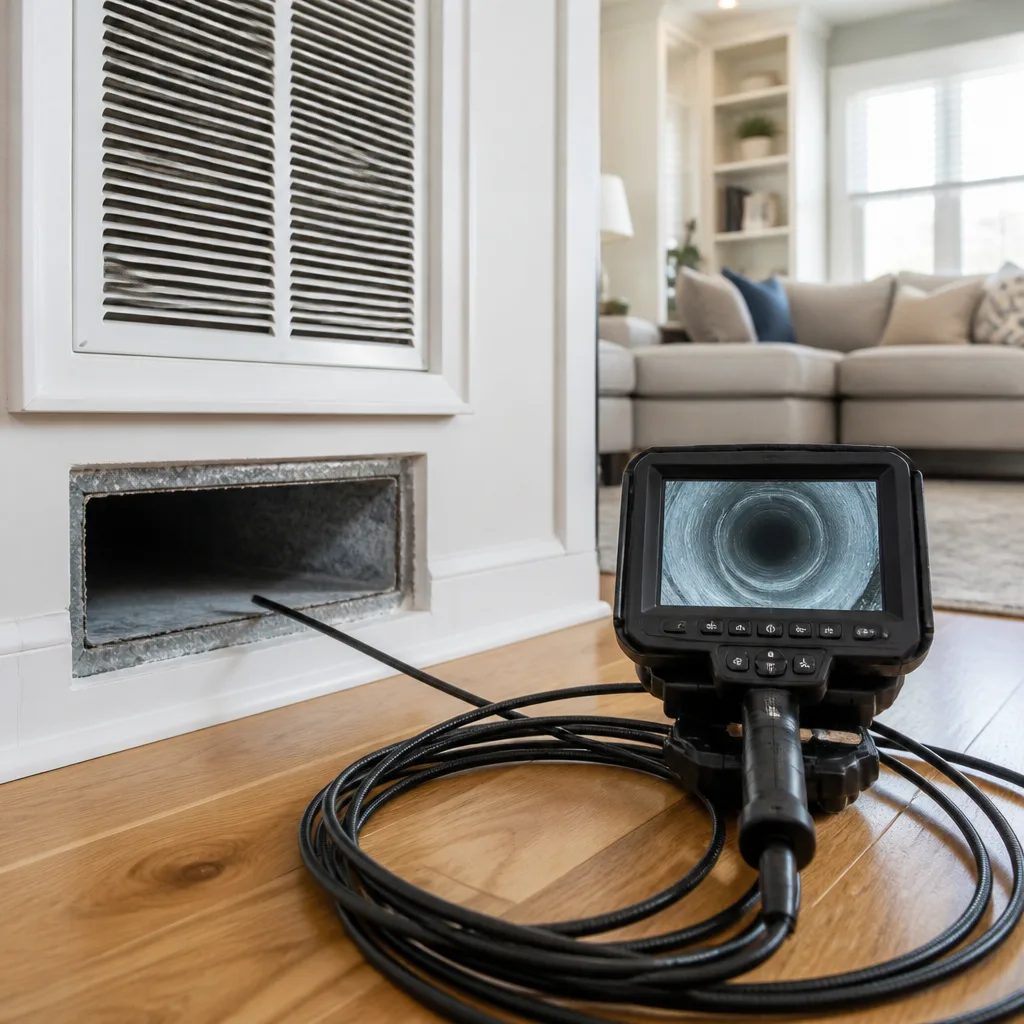 Camera inspection
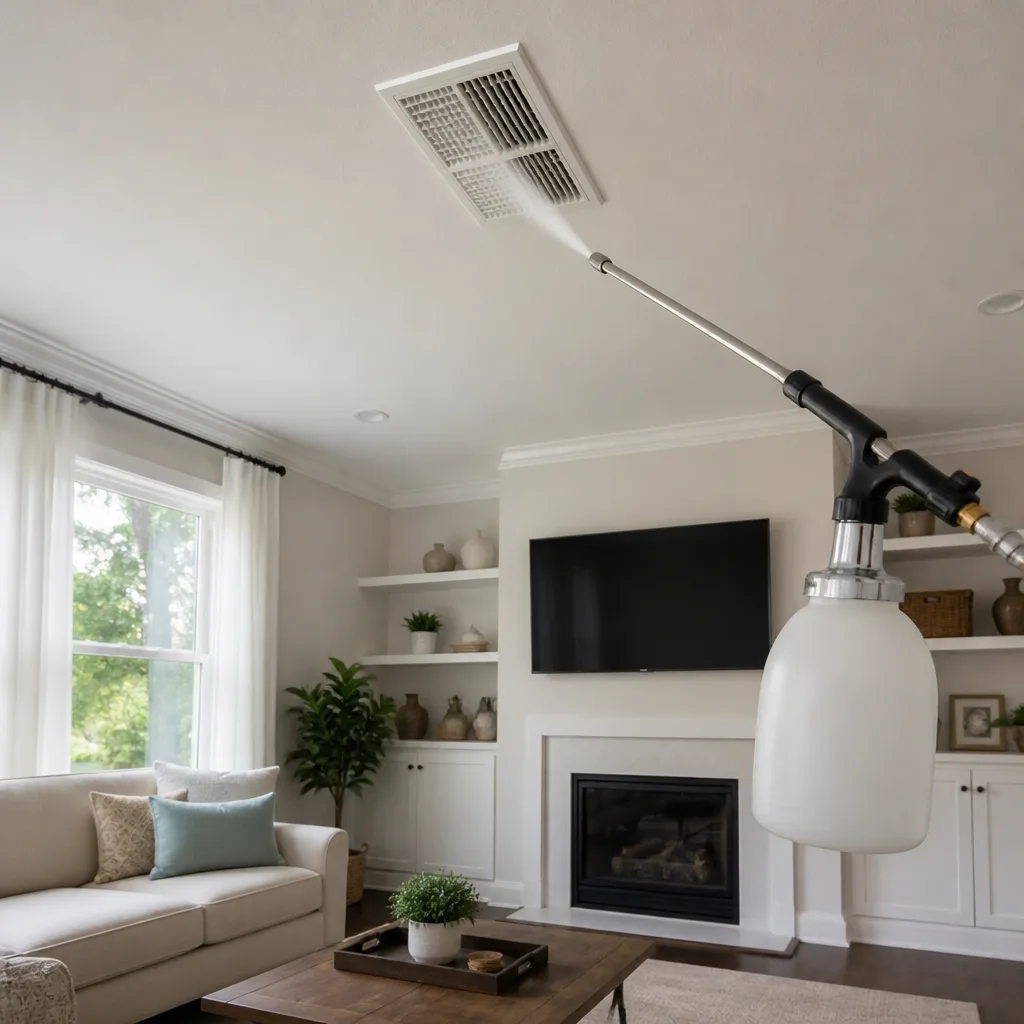 Sanitizing & deodorizing
Whole-system duct and dryer vent check with before-and-after photos - you see exactly what came out of your vents
That "$99 whole-house special" is a bait ad - the real number appears once they are in your hallway, or the "clean" is a shop-vac at the register. We photograph the inside of your ducts before and after instead.
Seasonal Air Duct Cleaning Care for Boulder: Year-Round Homeowner’s Guide
Most homeowners in Boulder schedule duct cleaning in January, when the calendar is quiet and the phone call is convenient. That timing optimizes for your schedule, not your duct system’s health. The heaviest contamination events in Boulder happen at two other points in the year: late summer, when wildfire smoke settles into the Front Range and finds its way into return air, and spring, when your system flips from heating to cooling and condensation creates the conditions biological growth needs. This guide walks through what each season actually does to your duct system and how to sequence cleaning, filter changes, and inspections so the work lands when the risk is highest.
Quick Answer
The best time for seasonal air duct cleaning in Boulder depends on what you’re protecting against, but most homes benefit from a full cleaning in late spring, a filter strategy tuned for wildfire season, and a pre-heating inspection in early fall. A single annual cleaning scheduled arbitrarily misses both peak contamination windows. If you can only do one thing, book the cleaning after smoke season ends and before the furnace runs hard.
Styles & brands we work with
- Whole-home duct cleaning
- Dryer vent cleaning
- Camera inspection
- Sanitizing & deodorizing
Table of Contents
- Why Boulder’s Seasons Change What’s in Your Ducts
- Spring: The Heating-to-Cooling Transition
- Summer and Wildfire Season: Smoke Is Not Dust
- Fall: Pre-Heating-Season Inspection Priorities
- Winter: How Static Air Concentrates Particulate
- Building Your Boulder Annual Service Calendar
- Why Equipment Choice Changes the Outcome
- Where Repair and Sealing Fit Into the Calendar
Why Boulder’s Seasons Change What’s in Your Ducts
An air duct system is not a static tube. It’s a pathway that carries whatever the outdoor air and the house itself put into it, and what goes in changes month to month in Boulder. The same duct that pulls in dry, dusty air off the Flatirons in March is pulling in wildfire smoke particulate in August and heated, static-laden air in December. Each season loads the system differently, and each load settles in different places.
Boulder sits in a spot where this shows up sharply. Dry winters, a windy spring with plenty of airborne soil and pollen, and increasingly smoky late summers mean the duct system sees several distinct contamination profiles over twelve months. Add in the altitude and the way heating systems here run long and hard from November through March, and you have a house that cycles a lot of air through the same ductwork.
We use this seasonal framing because it changes what we actually do on a job. A cleaning scheduled in May focuses on pollen, spring dust, and the condensation risk from the first cooling cycle. A cleaning scheduled in September focuses on smoke residue and the inspection items that matter before the furnace takes over. Same equipment, different priorities.
There’s also the practical matter of how your home is built. Older Boulder homes, especially in neighborhoods like Mapleton Hill and Whittier, often have duct systems that were retrofitted into houses that weren’t designed for central air. Those systems have more joints, more transitions, and more places where seasonal problems collect. Newer construction in areas like Gunbarrel and Louisville tends tighter, which changes how smoke and particulate behave. At Boulder Air Duct Cleaning Co we treat the seasonal question as a whole-system question, because the ducts, the returns, the filtration, and the sealing all move together.
Spring: The Heating-to-Cooling Transition
Spring is the most overlooked season for duct problems in Boulder, and it’s also the one that produces the most avoidable issues. The reason is simple physics: when a system switches from heating to cooling, the temperature inside the ductwork drops and moisture that was never a problem during the dry heating months can condense on cool surfaces. That condensation is what feeds biological growth in a duct system, and it happens right at the moment most homeowners stop thinking about their HVAC.
Here’s what’s actually worth checking before you run the AC for the first time:
- Look at the return grilles. Dust loading on return grilles in spring tells you how much the heating season deposited. Heavy gray fuzz on the grille is a sign the same load is sitting in the ducts behind it.
- Check the condensate line and drain pan. A clogged condensate drain won’t clean your ducts, but it will add moisture to the air-handling area, and that’s where growth starts.
- Smell the first cooling cycle. A musty or “wet basement” smell on the first AC run is the classic signal that moisture has been sitting somewhere in the system.
- Check the filter you pulled out for winter. A filter that went into the heating season clean and comes out packed tells you the ducts upstream are carrying a real load.
- Look for loose duct connections in unconditioned spaces. Attic and crawlspace ducts that came loose over the winter pull in outdoor air, and in spring that air is full of pollen and soil dust.
This is also the right moment in the calendar for a full cleaning if it’s been more than a couple of years. We routinely recommend scheduling air duct cleaning in late spring in Boulder, exactly because it removes the heating-season load before the cooling season adds a moisture component to it.
Summer and Wildfire Season: Smoke Is Not Dust
Wildfire smoke particulate does not behave in a duct system the way household dust does, and this is the single biggest seasonal fact most Boulder homeowners don’t have a working model for. Household dust is relatively large and heavy. It settles in the low points of the duct, in the boots, on the floor of the trunk line. Smoke particulate is much finer and lighter, which means it stays suspended longer, travels farther into the system, and deposits differently. It coats surfaces rather than piling up.
What that means in practice:
- Smoke coats the whole pathway. Instead of concentrating in low points, smoke deposits as a thin film across duct walls, turning vanes, and the air handler itself. A brush-only cleaning can miss it.
- Smoke gets past standard filters. A typical MERV 8 filter catches a meaningful portion of smoke particulate but not all of it. Over a smoke season, the fraction that gets through is what accumulates in the ducts.
- Smoke odor lingers in porous surfaces. Lined duct, fiberglass duct board, and flexible duct with exposed interior surfaces all hold smoke odor longer than bare metal.
- Smoke season compresses the cleaning window. The right time to clean after a heavy smoke season is immediately after the smoke clears and before the furnace turns on, because the furnace will redistribute whatever is sitting in the ducts.
This is where equipment choice stops being a marketing point and starts mattering. We use Rotobrush and Nikro systems because they generate enough negative pressure and agitation to actually remove the deposited film, and we work with Abatement Technologies products because contaminant control at the smoke particulate level calls for more than a shop vacuum and a brush. Those are the tools the job requires here, not a preference.
If you’re running a higher-MERV filter in summer, we’d also say this: be aware of the pressure drop. A filter that’s too restrictive for your blower motor can reduce airflow and push more load onto the system. Being familiar with Honeywell and Aprilaire filtration systems means we can look at what you’ve got and tell you whether the filtration approach fits the smoke season ahead.
Fall: Pre-Heating-Season Inspection Priorities
Fall is the season where inspection matters more than cleaning. The point of a fall walkthrough is to catch the things that will be expensive or dangerous once the furnace runs hard, and three items sit at the top of that list in Boulder.
Heat exchanger adjacency
The heat exchanger sits inside the furnace, adjacent to the duct system. We are not furnace technicians and we don’t inspect heat exchangers, but we do note what’s near the furnace and the connected ducts. A duct system that’s pulling in dust, moisture, or combustion byproducts from a poorly sealed connection can stress the furnace. If anything about the furnace itself looks off, that’s a call to an HVAC contractor, not a duct cleaner. We flag it and move on.
Rodent intrusion signs
Fall is when mice and other small animals look for warmth, and a duct system connected to an unconditioned attic or crawlspace is a pathway. The signs are specific: chewed flexible duct, small droppings near duct penetrations, nesting material pulled into a return, and gaps at foundation vents or attic penetrations. Rodent intrusion into a duct system is a real contamination event, and it needs the duct cleaned and usually the entry point sealed.
Insulation condition in unheated spaces
Duct insulation in an attic, crawlspace, or garage gets a workout over a Boulder summer and fall. Loose, torn, or water-stained insulation on a duct run is both an energy loss and a sign that the duct has been exposed to moisture. We check insulation condition at the same time we check the duct itself, because a duct that’s been sitting under degraded insulation is a duct that’s been breathing outdoor air.
We’d schedule a fall inspection before the furnace sees serious runtime, so anything found can be addressed before heating season commits the system to months of continuous operation.
Winter: How Static Air Concentrates Particulate
Winter in Boulder means a house that’s closed up, a furnace that runs continuously, and air that’s both drier and more static than at any other time of year. This combination does something specific inside the duct system: it concentrates particulate at specific locations rather than spreading it evenly.
The mechanism is straightforward. When a system runs hard and the air is dry, the dust particles that are already in the duct pick up charge and stick to surfaces. The places they stick hardest are the ones with the most airflow turbulence: the inside of elbows, the tops of trunk lines, the back side of turning vanes, and the area right around the blower. A winter accumulates dust at those spots even if the total amount of dust in the system hasn’t changed much.
What this means for you as a homeowner:
- Change the filter more often in winter. A filter that lasts three months in shoulder season may only last six to eight weeks under continuous heating load. This is the cheapest seasonal lever you have.
- Expect winter dust to appear in specific spots. If you notice dust accumulating faster on the return grille nearest the furnace, that’s the concentration effect at work, not a sign the whole system is suddenly dirty.
- Don’t over-clean in winter. The reason to be careful here is that a mid-winter cleaning redistributes fine dust into the air-handling area, and if you’re not also addressing filtration, that dust just resettles. A spring cleaning after the heating season ends is the better plan.
- Check humidification if you have it. A whole-house humidifier running in winter adds moisture to the airstream. That’s usually fine, but if the humidifier is putting out more than the system can carry, you can get moisture in the duct. Worth looking at once a season.
One more winter note: the same static conditions that concentrate dust also make it easier for particulate to stick to the inside of flexible duct, which is a cleaning challenge. We use equipment with enough lift to pull that adhered material off, which is where the professional-grade systems earn their cost.
Building Your Boulder Annual Service Calendar
Here’s a calendar we’d recommend for most Boulder homes, sequenced so each step lands when the risk it addresses is highest. This is a starting point, not a rigid schedule; a home near a busy road, a home with pets, or a home with recent renovation will need more.
- Early March: Change the filter. Inspect return grilles for heavy loading. Look at any ductwork in the attic or crawlspace for animal intrusion or loose connections.
- Late April / early May: Full air duct cleaning, if it’s been more than two years. This clears the heating-season load before cooling season begins. Add HVAC cleaning if the air handler hasn’t been cleaned at the same time.
- First cooling cycle: Run the AC, note any musty smell, check the condensate drain. Address musty odor promptly.
- June through August (smoke season): Change filters on a shorter interval. If a heavy smoke event occurs, note the date and plan a post-smoke cleaning for September or October.
- September: Post-smoke-season cleaning, if smoke was heavy. This is also the right time for duct sealing if you’ve been losing airflow.
- October: Pre-heating inspection. Check insulation condition, look for rodent signs, and address dryer vent cleaning at the same time if it’s been more than a year.
- November through February: Filter changes on the winter interval. No full cleaning unless a specific problem calls for it.
Dryer vent cleaning belongs on this calendar even though it’s a separate system. It’s a fire-safety service, not an upsell, and in a house that’s closed up for a Boulder winter it should be done before the heating season makes everything run harder. Once a year is a reasonable default for most households.
Why Equipment Choice Changes the Outcome
The seasonal argument only works if the cleaning actually removes what the season deposited. That comes down to equipment, and it’s the part of the work most homeowners can’t see. We use Rotobrush and Nikro systems because they’re the professional-grade tools restoration and IAQ specialists use for this work, and because their agitation and negative-pressure combination is what pulls smoke film and adhered dust off duct walls rather than just loosening it.
We also work with Abatement Technologies products, which extends the work past surface cleaning into contaminant control. When a Boulder home has had a rodent intrusion, a smoke event, or a moisture problem, the standard cleaning protocol is not enough. The Abatement side of the work is what handles that.
We’re familiar with Honeywell and Aprilaire filtration systems because post-cleaning recommendations only help if they fit the equipment you already have. Knowing the filtration side means we can recommend what actually works in your air handler, not what works on paper. Guardsman products round out the picture for the sanitizing step when it’s called for.
Where Repair and Sealing Fit Into the Calendar
Cleaning without repair is a schedule you’ll repeat. Loose joints, disconnected runs, and leaking duct in unconditioned spaces are what re-contaminate a freshly cleaned system, and in a house where a duct run in the attic has a gap the size of a thumb, that gap is pulling outdoor air into the system every hour the furnace runs.
We clean, repair, and seal as one scope because the sequence matters. Sealing a duct that’s dirty seals the dirt in. Cleaning a duct that leaks just gives you a clean duct that leaks. The right order is clean, then repair and seal, then sanitize if a specific contamination event calls for it. On the seasonal calendar, that bundle usually lands in the spring cleaning slot and in the fall inspection slot, because those are the two moments the system is open and accessible anyway.
If you’re a property manager in Boulder, this is the calendar to put on the building schedule. It’s easier to hold a single annual sequence than to react to a tenant complaint about uneven airflow or musty odor in a Boulder unit after the fix window has closed.
Common Mistakes to Avoid
- Scheduling only in January. January is the convenience window, not the risk window. The two highest contamination events in Boulder are late summer smoke and the spring heating-to-cooling transition, and a winter cleaning misses both.
- Treating smoke like dust. After a heavy smoke season, a brush-only cleaning will not remove the film that smoke deposits on duct walls. Ask what equipment the company uses before booking.
- Skipping the pre-heating inspection. Fall is when rodent intrusion and insulation degradation get found. Missing it means discovering both after the furnace has already run for months.
- Over-cleaning in winter. A mid-winter cleaning that isn’t paired with a filtration fix just redistributes dust. The better winter lever is filter changes.
- Cleaning without sealing. A cleaned duct with a leak is a re-contamination loop. If a company won’t look at joints and connections, the cleaning won’t last.
- Ignoring the dryer vent on the calendar. Dryer vent cleaning is a fire-safety item, not an optional add-on, and it belongs on the same annual schedule.
- Not asking about filtration after the cleaning. What filter you run after the ducts are clean determines how fast they get dirty again. A recommendation based on your actual air handler (Honeywell, Aprilaire, and similar) matters more than a generic “MERV 13” guess.
See the difference
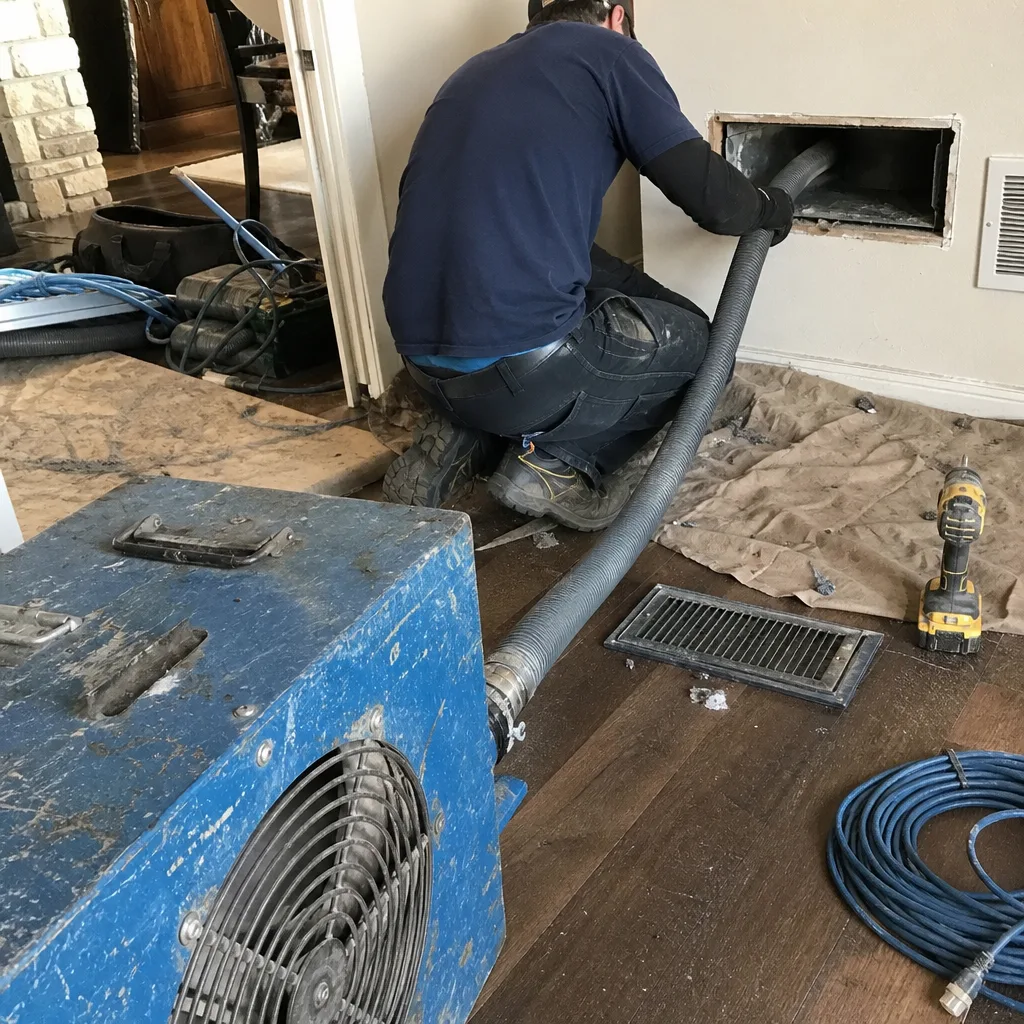 Before
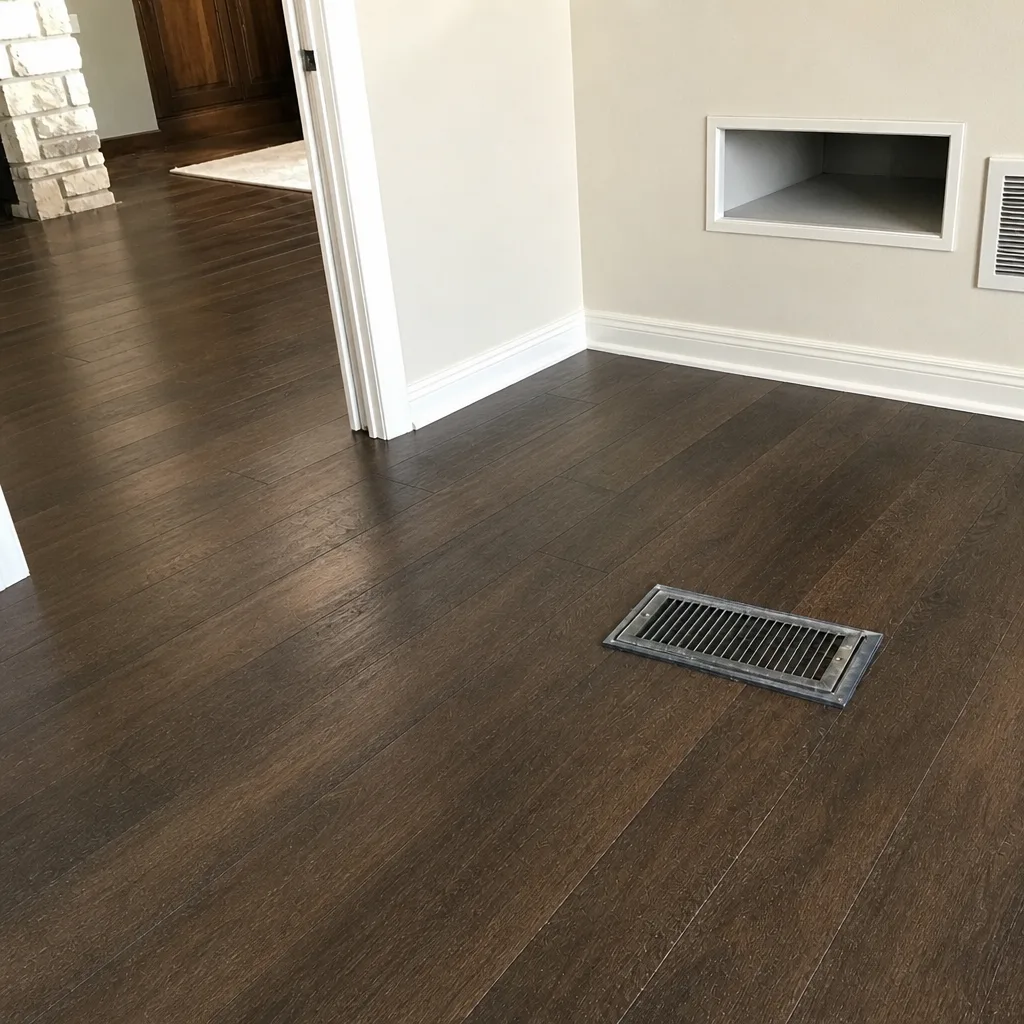 After
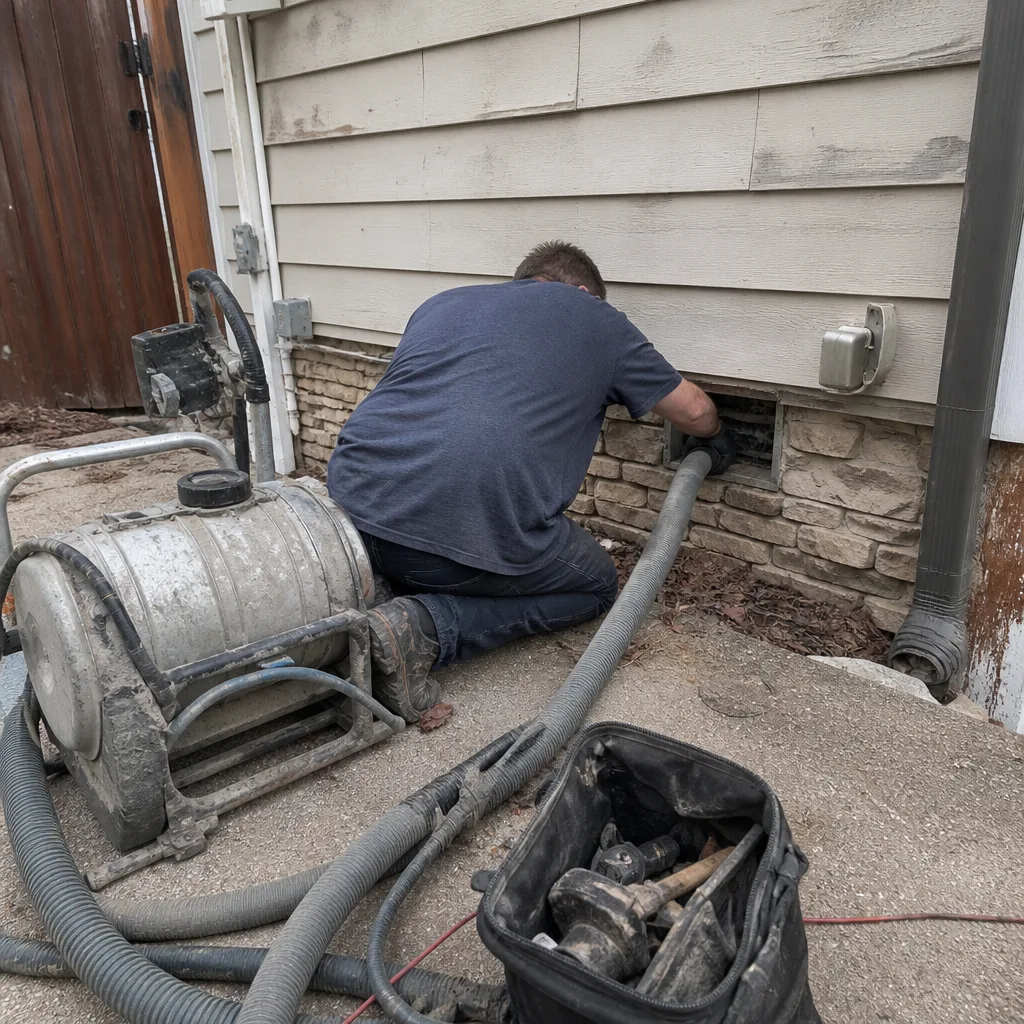 Before
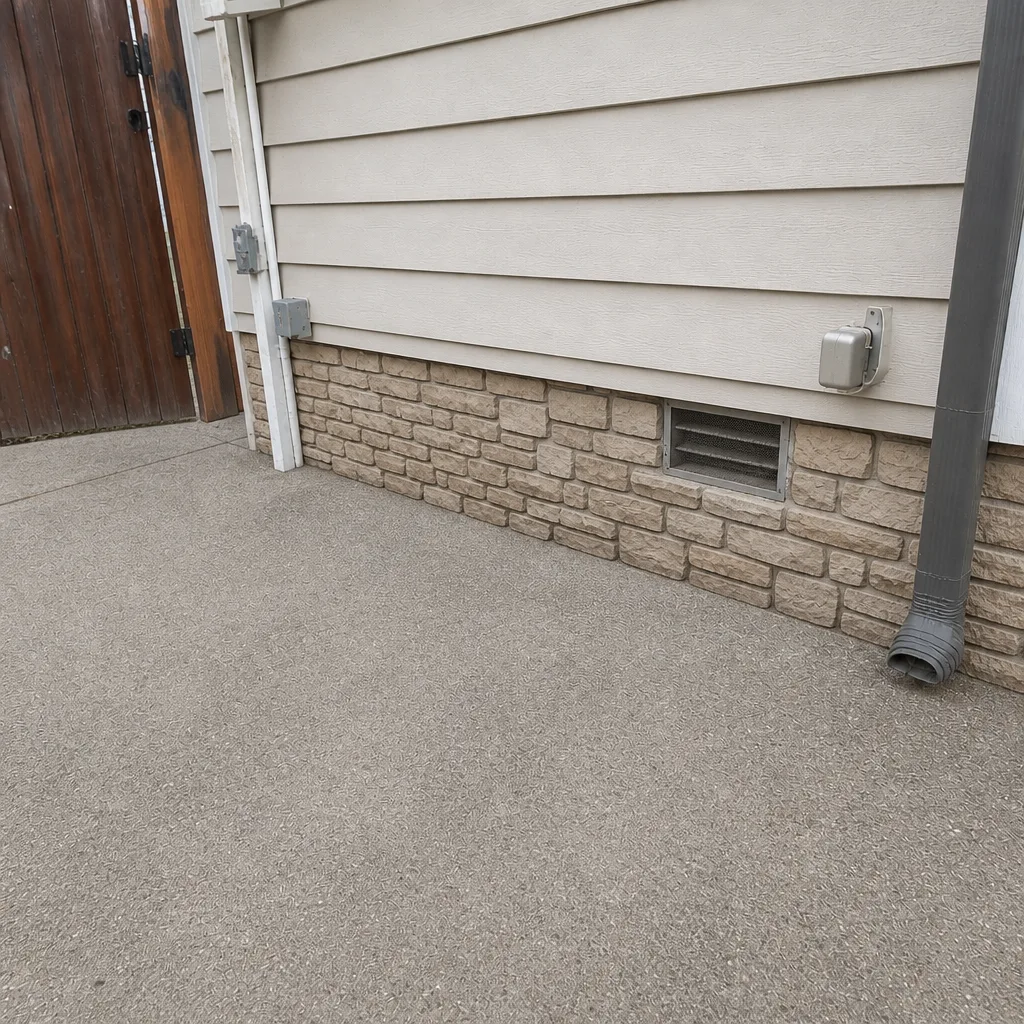 After
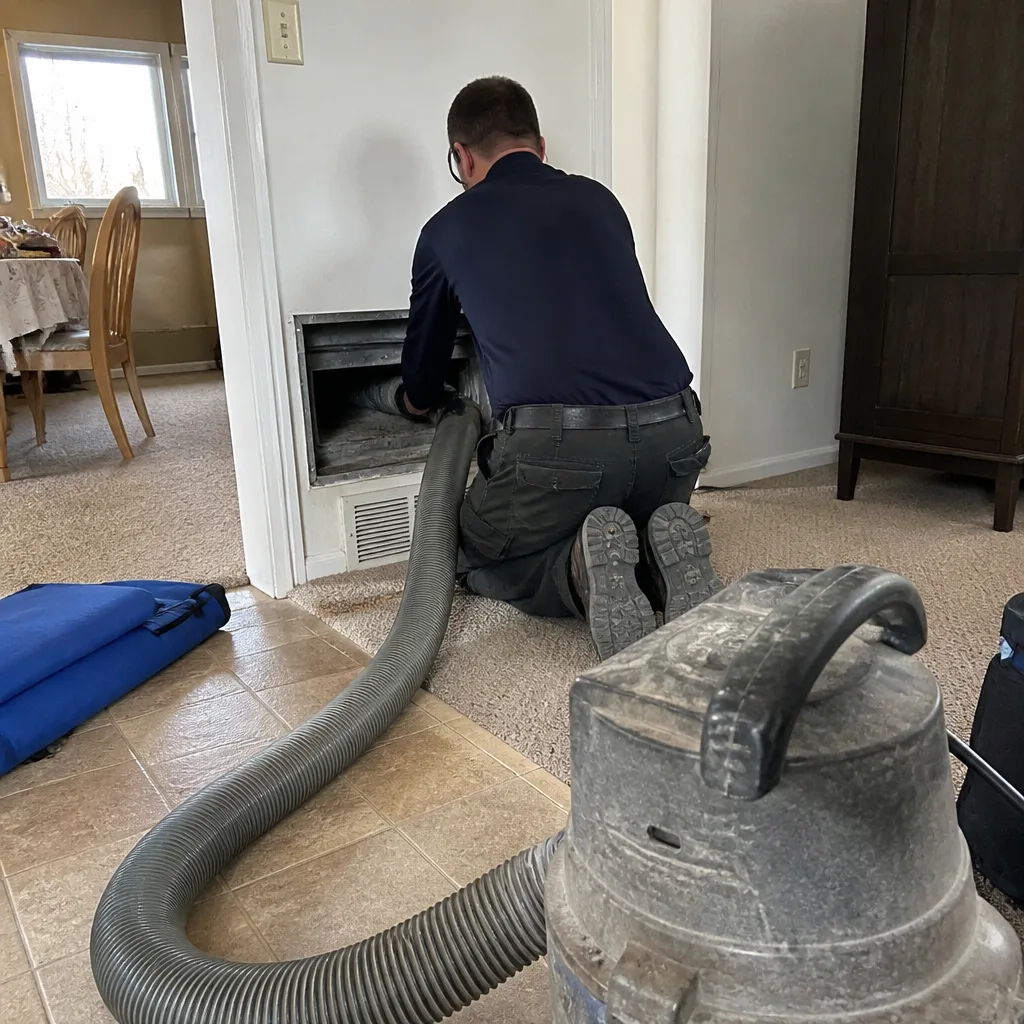 Before
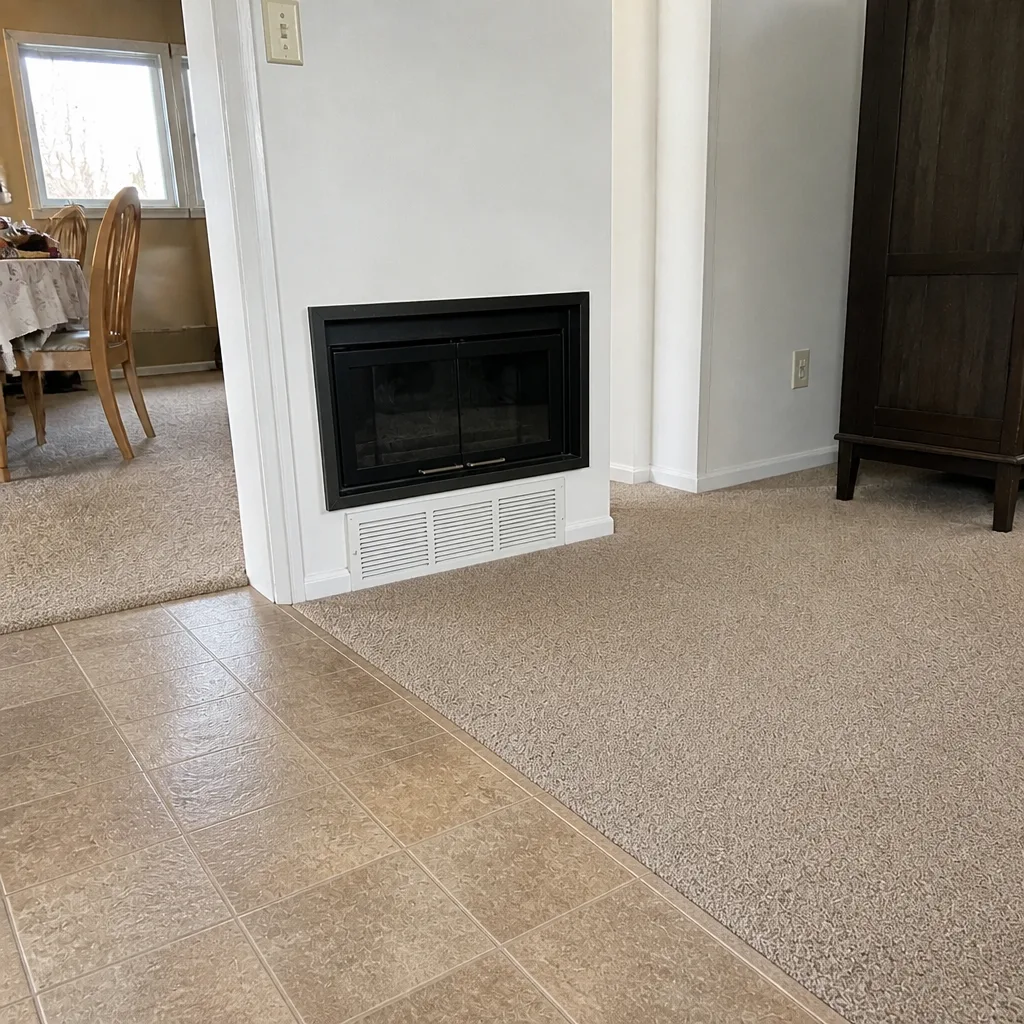 After
When to Call a Professional
Some seasonal work is yours: filter changes, grille checks, and noting smells or sounds are all homeowner tasks. The calls that belong to a professional are the ones with real consequence, and a few specific situations in Boulder should trigger a call rather than a project.
Call a professional if you’ve had a rodent intrusion into the duct system, if a smoke event has left persistent odor or visible film, if you’re seeing dust re-accumulate on the grilles within weeks of cleaning, if the system has visible damage at joints or connections, or if you’ve never had the ducts cleaned and the home is newer to you. Boulder Air Duct Cleaning Co offers free estimates in Boulder; call (866) 328-8803. We answer 24/7. Fast dispatch from 7am to 7pm, Sunday through Friday. Our technicians have up to 9 years of experience, and the estimate is free and the price is set per job by the written estimate.
Frequently Asked Questions
Late spring is the best default, right after the heating season ends and before the cooling season begins, because it clears the heating-season load before moisture enters the picture. If your home was in a heavy wildfire smoke zone, add a post-smoke cleaning in September or early October, before the furnace starts running. If you can only do one, do the late spring cleaning.
Yes. Fine smoke particulate passes through standard MERV 8 filtration and deposits on duct walls, turning vanes, and the air handler as a thin film. Because smoke is lighter and finer than household dust, it travels farther into the system and coats surfaces rather than piling up in low points. A brush-only cleaning often misses it, which is why we use Rotobrush and Nikro systems and Abatement Technologies products on smoke-exposed systems.
Most homes need cleaning every two to four years depending on the home, pets, renovation history, and how much smoke the home has seen. A home with pets or a recent renovation usually needs the shorter interval. A home that saw heavy wildfire exposure in a given summer should add a cleaning that year rather than waiting for the normal cycle. If you’re not sure, an inspection will tell you.
Usually because they’re doing less. A low per-vent quote is often a shop-vac-and-brush job that doesn’t generate real negative pressure, doesn’t address the air handler, and doesn’t look at duct sealing afterward. The fair way to compare quotes is to ask what equipment they’ll use, whether the price covers the whole system, and whether they’ll recommend anything after the cleaning. Pricing here is per job by written estimate, so you know the scope before the work starts.
It’s a real physics issue. When a system switches to cooling, the temperature inside the duct drops and any moisture in the airstream can condense. That’s when biological growth conditions peak. A musty smell on the first cooling cycle is the standard signal. If you don’t have that smell and your filters are clean, the spring cleaning is the reasonable step; a duct sanitizer is only called for if a specific contamination event is present.
Ask for before-and-after photographs of your own duct system, at the same locations, taken during the job. That’s the only standard we recommend you accept. You should also expect a filter recommendation that fits your air handler after the cleaning, and if duct repair was part of the scope, a look at the sealed connections before the system is closed back up. Call (866) 328-8803 for an exact quote; estimates are free.
The Bottom Line
Boulder’s seasonal pattern makes duct care a sequence, not a single event. Spring cleaning clears the heating-season load before moisture arrives. Summer smoke adds a contamination event that needs its own post-season cleaning. Fall inspection finds the rodent intrusion and insulation damage before the furnace runs hard. Winter filter changes hold the line. Our full-system approach covers cleaning, repair, sealing, and sanitizing so you’re not coordinating separate contractors for one duct system. Our technicians have up to 9 years of experience. If you want a seasonal plan built around your home, call (866) 328-8803 for a free estimate.
Contact
Boulder Air Duct Cleaning Co provides air duct cleaning, dryer vent cleaning, HVAC cleaning, duct repair and sealing, and air quality sanitizing. The estimate is free, the price is set per job by the written estimate, and the work is documented with before-and-after photos of your own system. Call (866) 328-8803. We answer 24/7. Fast dispatch from 7am to 7pm, Sunday through Friday.
Written by the team at Boulder Air Duct Cleaning Co.