
Last updated November 23, 2026
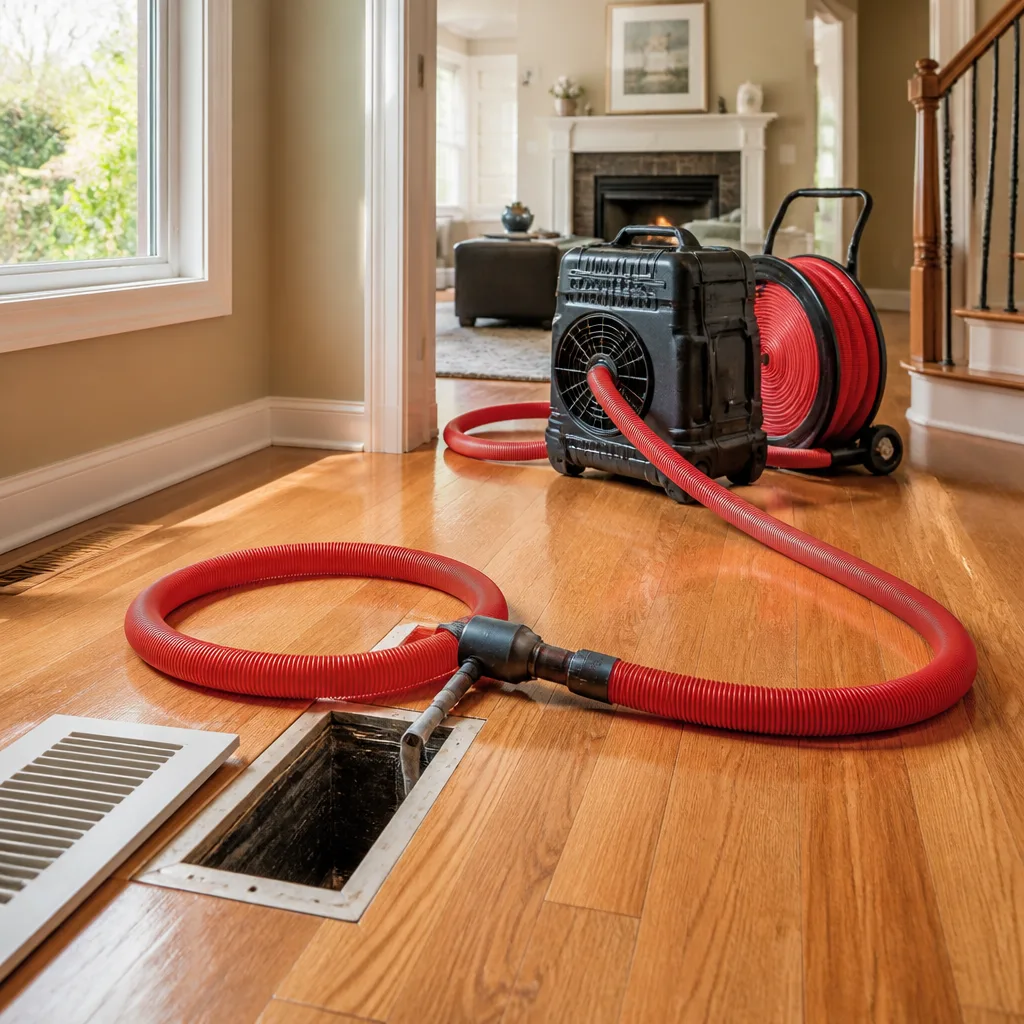 Whole-home duct cleaning
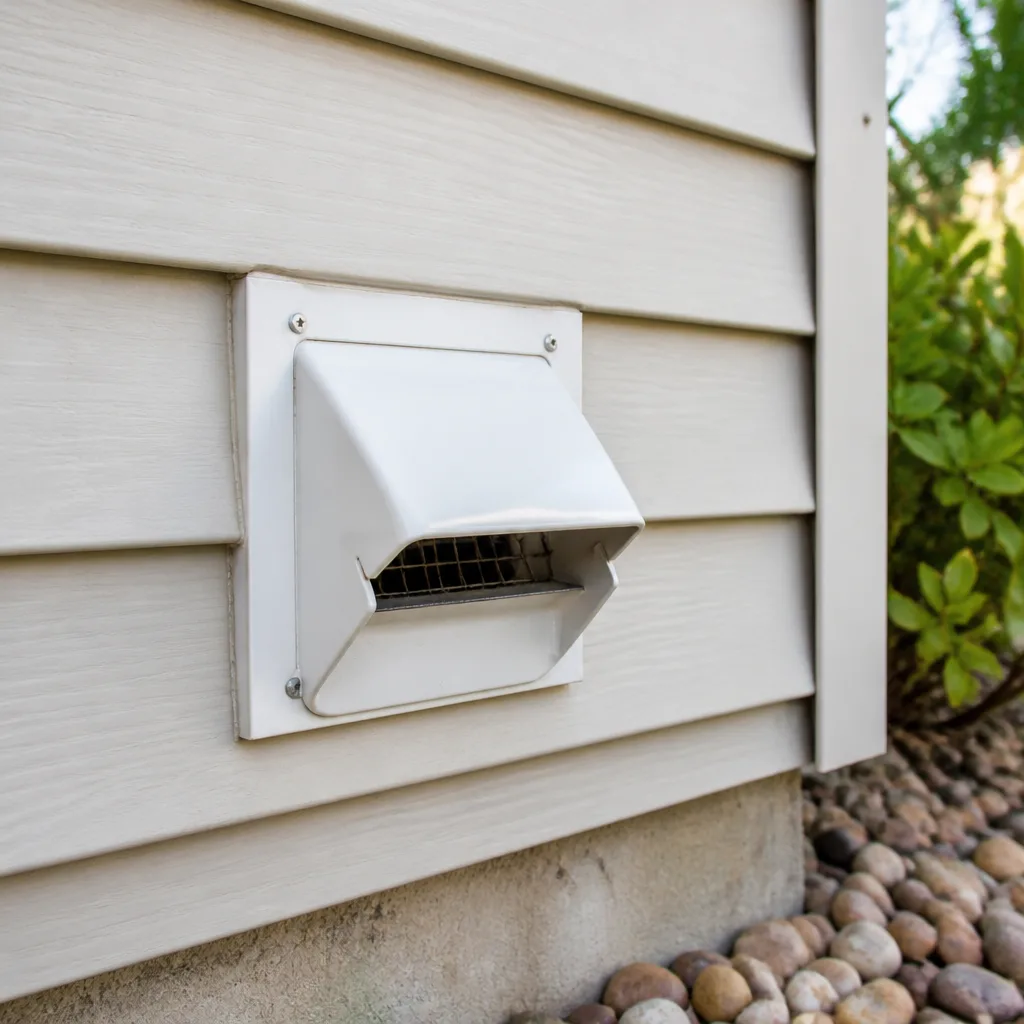 Dryer vent cleaning
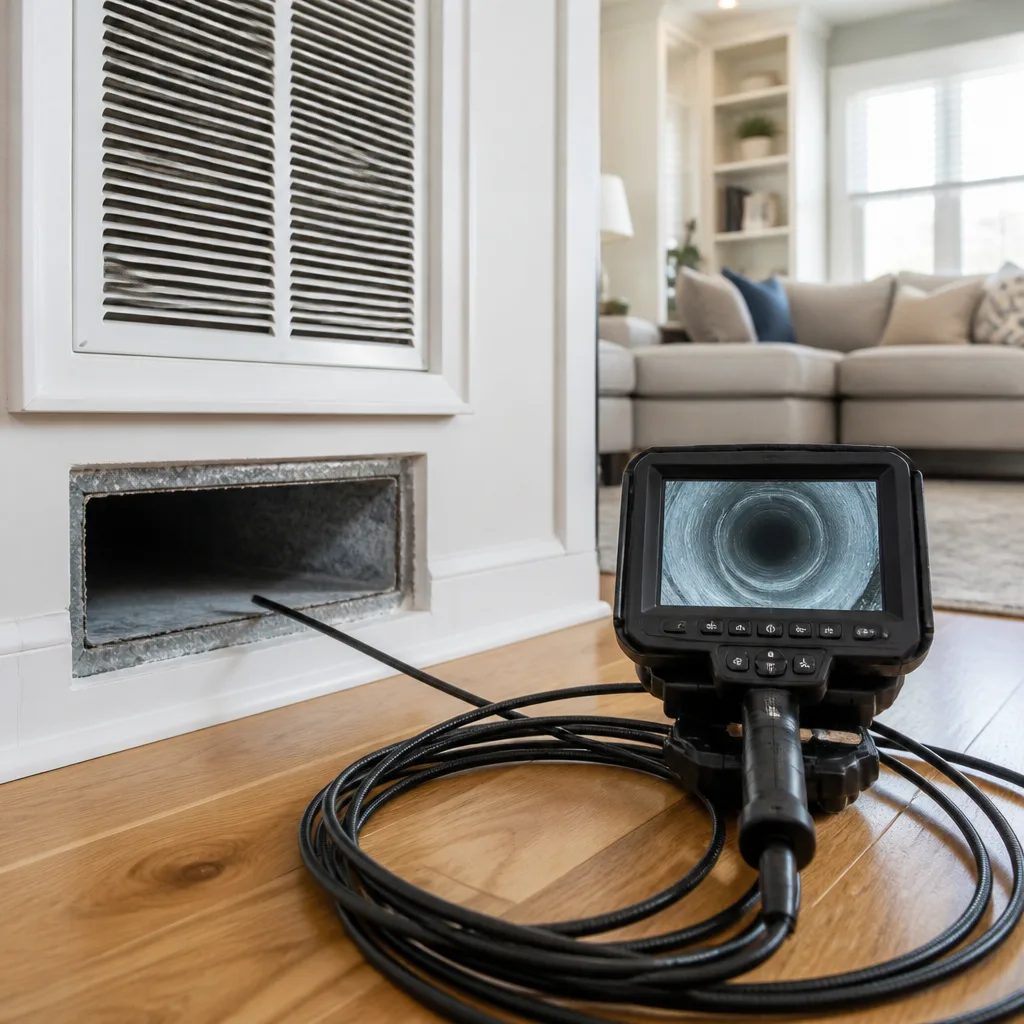 Camera inspection
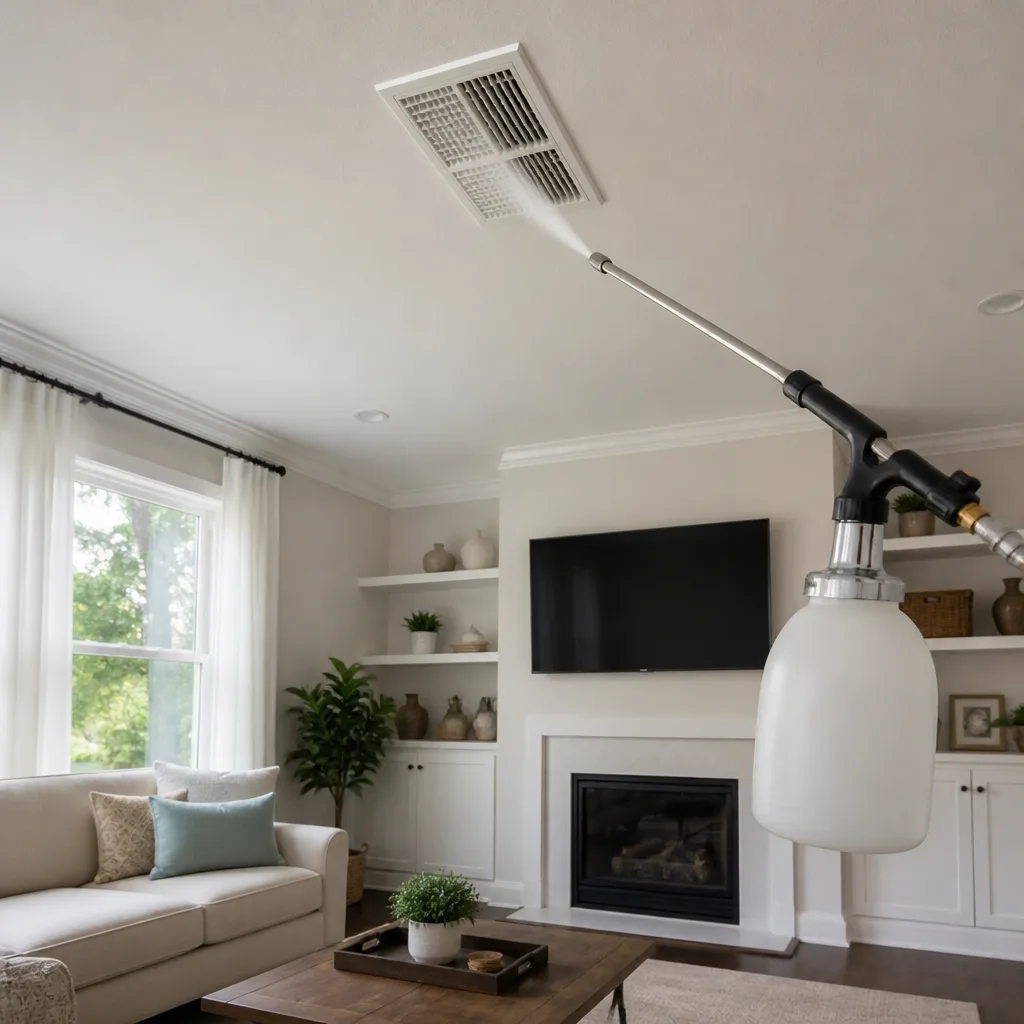 Sanitizing & deodorizing
Whole-system duct and dryer vent check with before-and-after photos - you see exactly what came out of your vents
That "$99 whole-house special" is a bait ad - the real number appears once they are in your hallway, or the "clean" is a shop-vac at the register. We photograph the inside of your ducts before and after instead.
Choosing the Right Air Duct Cleaning Brand: A Buyer’s Guide for Boulder
When a contractor drops brand names during a sales call but can’t explain why those specific systems were chosen over alternatives – the CFM capacity of the negative air machine, where the HEPA stage sits in the filtration chain, how brush rotation is controlled in flex duct – they’re borrowing credibility from equipment they may not fully know how to run. In Boulder, where the housing stock runs from tightly built new construction to older homes with decades of accumulated dust in every elbow and boot, equipment choice decides whether a cleaning actually removes what’s in the system or just stirs it around. This guide walks you through the equipment categories that matter, the specs worth asking about, and how to verify claims during setup.
Quick Answer
The right air duct cleaning brand depends on what the job actually requires: a professional setup pairs a high-CFM negative air machine with true HEPA filtration, a controllable agitation system like Rotobrush that won’t tear flex duct, and inspection cameras to verify the work. In Boulder, ask any contractor to name their equipment’s CFM output, HEPA filter location, and brush RPM range before you book – a company that can answer those questions has different capabilities than one that can’t.
Styles & brands we work with
- Whole-home duct cleaning
- Dryer vent cleaning
- Camera inspection
- Sanitizing & deodorizing
Table of Contents
- The Four Equipment Categories That Define a Professional Setup
- What Specs to Ask About Before You Book
- Why Equipment Investment Shapes Which Market a Contractor Serves
- Rotobrush and Nikro: What These Brand Names Actually Signal
- Aeroseal and Duct Sealing: When Boulder Homes Genuinely Benefit
- How to Verify Equipment Claims During Setup
- Brand Claims That Don’t Hold Up
- Why Cleaning, Repair, and Sealing Should Come From One Company
The Four Equipment Categories That Define a Professional Setup
A professional duct cleaning setup has four distinct pieces, and the brand behind each one tells you something about how the job will go. When we walk into a Boulder home, these four categories are what we’re thinking about in sequence.
Negative air machines
The negative air machine creates suction at the far end of the duct system, pulling contaminants toward a collection point while the agitation moves debris loose at the source. Capacity matters more than brand prestige: a unit that can’t move enough cubic feet per minute for the duct volume in your home will leave the far branches under-served. Nikro builds commercial-grade units used by restoration crews because they hold suction across long runs.
Agitation systems
Suction alone doesn’t move debris that’s clung to the inside walls of the duct. Agitation breaks it loose – brushes, air whips, and rotary tools that scrub while the vacuum pulls. Rotobrush is the name that shows up most in this category because it’s a sealed system that combines source removal with continuous filtration, keeping the working area clean while the brush does its job.
Inspection cameras
A camera is what proves the work happened. The right position matters: a camera on a tether running the full length of a trunk line and branches lets the contractor show you before and after, including the inside of returns and any flex runs where debris settles. When we finish a job in Boulder, the camera footage is the evidence – not the clearest excuse.
Air scrubbers
Air scrubbers are the piece most cheap quotes skip entirely. They run alongside the negative air machine, pulling dust that escapes the collection point out of the breathing air in the work area. Abatement Technologies builds scrubbers used in serious remediation work – the presence of that equipment tells you the contractor is thinking about containment, not just extraction.
All four pieces work together. Any one of them missing changes what the cleaning can actually accomplish.
What Specs to Ask About Before You Book
Brand names are the easy part. The harder conversation is spec-level, and a technician who’s genuinely comfortable with their equipment will answer these questions without hesitation. Here’s what we’d ask if we were hiring us.
1. What’s the CFM output at working static pressure? A negative air machine that claims high CFM on an open test bench may drop dramatically once it’s connected to real ductwork full of elbows and flex runs. Boulder homes with long trunk lines or complex branch layouts need to know the machine can hold suction at the working length, not on a spec sheet.
2. Where is the HEPA filtration stage? True HEPA filtration in a duct cleaning vacuum sits somewhere in the exhaust path. The location matters: a unit with the HEPA stage at the exhaust point contains what it extracts, while a unit with only pre-filters ends up pushing fine particulate back into the room. Ask directly – “Where’s the HEPA filter in your machine?” – and listen to how the answer lands.
3. Can the brush system be RPM-controlled? Flex duct can’t take the same brush speed as rigid metal. A rotary system with adjustable RPM means the technician can slow the brush down in flex sections and speed it up in rigid trunk lines. Without control at that level, brush systems tear flex duct lining – and once that lining fails, you’re looking at duct replacement.
4. Is the agitation system sealed? Sealed agitation, which is what Rotobrush builds around, keeps debris inside the system from the moment it’s dislodged to the moment it’s captured. Open brush systems rely entirely on the vacuum holding what comes loose.
5. What inspection equipment comes with the job? A contractor without a duct camera can’t show you what they cleaned, only what they bill. Ask whether the camera run is included in the quote.
Those five questions separate a company that owns professional equipment from one that rented it for the week.
Why Equipment Investment Shapes Which Market a Contractor Serves
There’s a correlation most homeowners never see: the contractor’s equipment investment tells you which market segment they’re set up to serve. A crew with a shop vacuum, a brush on a drill, and a truck that shows up in twenty minutes is selling a different service than a company with six figures sunk into negative air machines, scrubbers, cameras, and sealing equipment.
The overhead difference is real. A serious equipment package – a Rotobrush system, a Nikro negative air machine sized for residential work, HEPA filtration, an inspection camera, scrubbers – carries hundreds of dollars in maintenance and consumables per job before anyone climbs into an attic. Companies at that investment level can’t profitably run loss-leader coupons. They price the job at what the work costs.
The cheaper quote isn’t necessarily dishonest. It’s usually a smaller scope: fewer tools, less time, and equipment that can’t reach the parts of the duct system that matter most. When a Boulder homeowner calls for a quote, the two conversations sound almost identical until you start asking spec questions.
The other piece of positioning is specialty. A company that owns Rotobrush and Nikro equipment has also usually invested in the adjacent capabilities those systems support – duct repair, sealing, and sanitizing. A company that owns a vacuum and a brush has no pathway into those. In Boulder’s older homes, where the duct system has often been updated piecemeal and the boot connections aren’t sealed, the difference between a cleaning and a clean-plus-sealed system is the difference between a temporary improvement and a permanent one.
We invested in our equipment for the second reason: so that when we finish a job, the system is genuinely in better shape than when we arrived. That’s not a positioning statement – it’s what the equipment list allows.
Rotobrush and Nikro: What These Brand Names Actually Signal
Rotobrush and Nikro aren’t household names, but they show up constantly in the equipment lists of restoration companies, indoor air quality (IAQ) specialists, and duct cleaning pros who take the work seriously. When we tell a Boulder homeowner we use Rotobrush and Nikro, here’s what we mean.
Rotobrush builds a sealed agitation-and-filtration system. The brush loosens debris inside the duct, and the machine’s vacuum pulls that debris into a HEPA-filtered collection point in the same motion. The seal is what matters: loose debris never re-enters the room. The system’s design also allows for controlled brush speed, which is why it’s the name we trust in flex duct installations – which are common in Boulder’s newer build-outs where rigid metal wasn’t run into every branch.
Nikro builds the negative air machines and vacuums the restoration industry trusts for contaminant control. When a Nikro unit is set up right – sized correctly for the duct volume, filtered at the exhaust side, and ducted into the return – it holds suction across the full length of the system. That’s what makes the difference in Boulder homes with long trunk lines and multiple branches, where a less capable machine loses capacity by the time it reaches the far rooms.
The names aren’t bragging points. They’re a shortcut answer to the question “can this equipment actually do the job in my house?”
Aeroseal and Duct Sealing: When Boulder Homes Genuinely Benefit
Aeroseal is a brand-specific duct sealing technology, and it’s worth understanding separately from cleaning and from brush-applied mastic. Where mastic is a coating applied to the outside of duct joints by hand, Aeroseal is a process that injects a sealing mist into the duct system and lets the escaping air carry it to the leaks, where it accumulates and cures. The system seals leaks from the inside, which means it can reach joints hidden behind drywall, buried in insulation, or sealed inside chases where a technician can’t physically reach.
Not every Boulder home needs Aeroseal. But several patterns make it worth discussing:
- Uneven room temperatures – if the rooms farthest from the furnace or air handler run noticeably cooler or warmer than the rest of the house, unsealed joints in the trunk line are usually the reason.
- Dusty return grilles – returns pulling air from a leaky duct near an attic or crawl space bring in dust that bypassed the filter.
- Recent HVAC replacement – new equipment moving more air through an older duct system often reveals leaks the previous system didn’t stress.
- Rising energy bills with no other explanation – conditioned air leaking out of ducts at joints the system never reaches is money going into a wall cavity.
Brush-applied mastic is the right answer for accessible joints. Aeroseal is the right answer for leaks behind drywall and in inaccessible runs. A company that offers both can recommend honestly; a company that offers only one will recommend only one.
If you’ve read this far and want the specifics on the cleaning side, our air duct cleaning page covers the process from start to finish.
How to Verify Equipment Claims During Setup
You don’t need to be an HVAC technician to confirm the equipment is what was quoted. The verification happens in the first twenty minutes of the job, when the crew is setting up. Here’s exactly what to watch for.
- Watch what comes off the truck. A professional setup takes two or three trips: negative air machine, agitation system, scrubber, camera, hoses, and filters. If one person walks in with a shop vacuum, the quote doesn’t match what showed up.
- Look at the negative air machine’s label. The brand should match what was quoted. You don’t need to understand the spec, but you can confirm the model number matches the written estimate.
- Ask where the HEPA filter goes. A technician who knows their equipment can point to the filter stage and explain what it’s catching. Vague answers here are worth flagging.
- Confirm the camera run. Before the work starts, ask that they show you footage of the return and at least one branch before and after. If the camera doesn’t come out, the job is going to be hard to verify.
- Watch how the setup is sealed. Negative air machines get ducted into the return line with a seal at the connection point. If you see visible gaps between the machine and the duct, the suction is going to be weaker than advertised.
- Photograph the “before” state of the work area. Clean floors and a covered floor covering are signals of a company that expects you to inspect the work.
None of these checks require expertise. They require attention during the first twenty minutes and a willingness to ask a direct question. A company that’s genuinely using the equipment is happy to answer; a company that isn’t will get defensive.
Brand Claims That Don’t Hold Up
Brand names get thrown around in this industry the way “organic” gets thrown around at grocery stores. Some claims are real; some are marketing. Here’s how to tell them apart.
- “We use HEPA” without specifying where. A HEPA filter on the intake doesn’t filter the exhaust. Ask which stage the filter sits at.
- “Professional-grade equipment” without a brand attached. Every vacuum vendor calls their product professional-grade. Real claims name a system – Rotobrush, Nikro – and explain why.
- “We sanitize with UV.” UV is not the same as sanitizing. Ask what chemical or treatment is being applied, and how it’s applied.
- “We use Abatement Technologies products” without knowing what they do. If the technician can’t explain the difference between a scrubber and a negative air machine, the brand name isn’t theirs to claim.
- “We use Honeywell and Aprilaire systems.” Those brands build filtration and IAQ equipment installed in higher-end HVAC systems. Familiarity is useful for post-cleaning recommendations – but on its own, it’s not proof of cleaning capability.
None of those red flags mean the contractor is dishonest. They mean the brand claim hasn’t been earned. A contractor who can answer the spec questions in this guide usually doesn’t need brand-name dropping to make the case.
Why Cleaning, Repair, and Sealing Should Come From One Company
Air duct systems in Boulder have a habit of needing multiple things at once. A cleaning reveals a torn flex run in the attic. The same cleaning reveals unsealed joints on the trunk line. The same job reveals that the return grille hasn’t been bringing in filtered air because the boot connection is loose. If the cleaning company can do one thing only, you’re looking at a second contractor for the repair, a third for the sealing, and a fourth for the post-work cleanup.
We built our service list around that reality. Cleaning, HVAC cleaning, duct repair, sealing, and air quality sanitizing all run through the same company. When we find a torn flex run during a cleaning, the same technician can usually fix it before the truck leaves. When the cleaning reveals a sealing opportunity, the recommendation doesn’t wait for a different vendor’s schedule.
That’s not just convenience. It’s correctness. A cleaning that leaves failing duct work in place doesn’t produce the improvement the customer expected, and the customer assumes the cleaning was inadequate. Looking at the whole system – cleaned, repaired, and sealed – is what makes the work hold up.
Dryer vents are part of the same thinking. dryer vent cleaning is a fire-safety service, not an upsell, and a company that’s already in the house for the HVAC side can verify the vent path while they’re there. The lint accumulation and airflow restriction that causes dryer fires doesn’t show up in a visual inspection unless someone actually runs the full vent length.
Common Mistakes to Avoid
- Choosing on price alone. The lowest bid is almost always the smallest scope: fewer tools, less time, and a vacuum that can’t reach the far branches. In Boulder’s older homes, the difference matters in the rooms with the longest duct runs.
- Not asking for spec-level detail on equipment. A technician who can explain CFM at working static pressure, HEPA filter placement, and brush RPM control has equipment and training that a technician who can’t may not have. The question alone tells you which you’re talking to.
- Skipping the before-and-after camera run. Without footage, you can’t know whether the cleaning actually reached the far branches. Ask before booking, not after paying.
- Assuming sanitizing and cleaning are the same service. Cleaning removes debris; sanitizing applies a treatment to the surfaces left behind. They’re separate steps, and the quote should list them separately.
- Letting a contractor skip the repair recommendation. If a cleaning reveals a torn flex run or an unsealed boot, not fixing it means the improvement fades. Ask the contractor to quote the repair, not just note it.
- Booking a cleaning for a system that needs sealing first. In some Boulder homes, sealing first prevents post-cleaning contamination from re-entering through leaks. The right sequence depends on the system – which is a reason to ask a company that offers both.
- Hiring a company that doesn’t work with your filtration brand. Aprilaire and Honeywell systems in Boulder homes are common enough that a technician should know how they behave. If they don’t, the post-cleaning recommendations will be generic.
See the difference
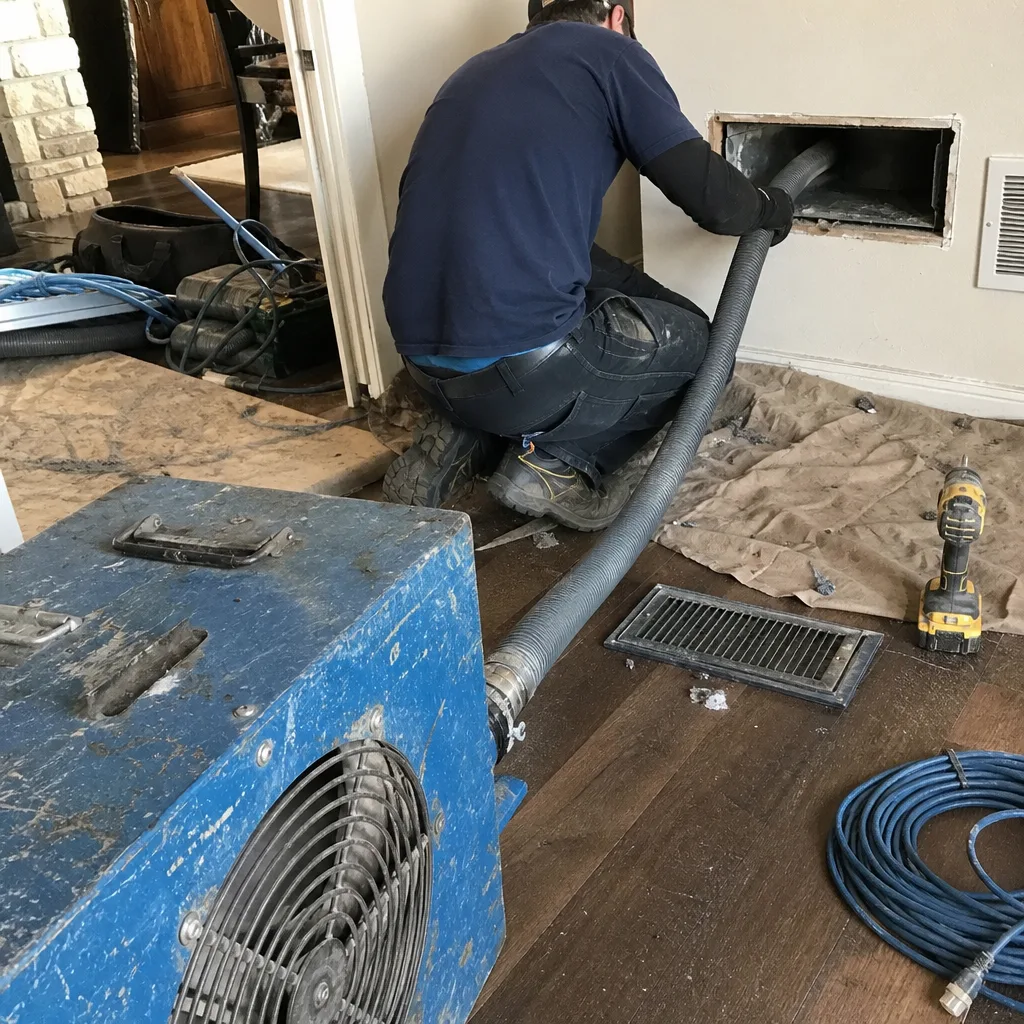 Before
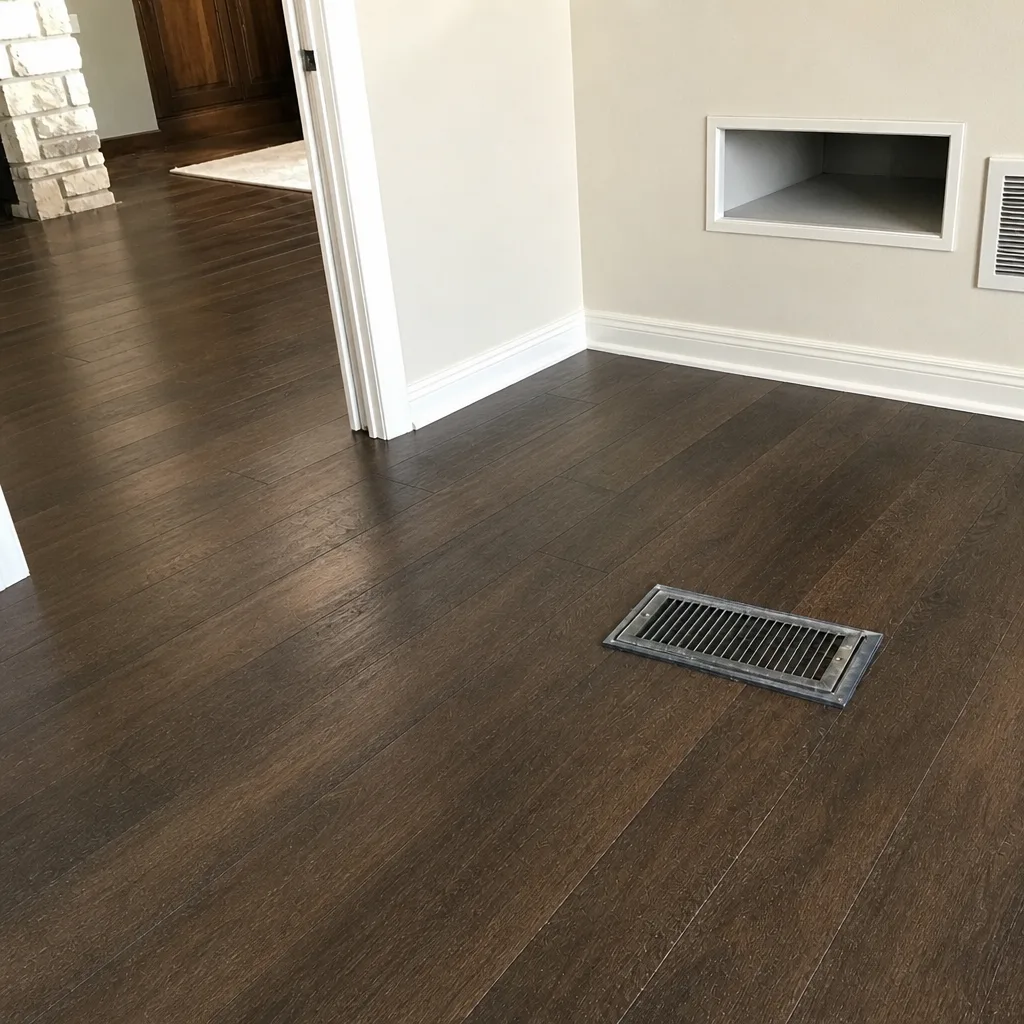 After
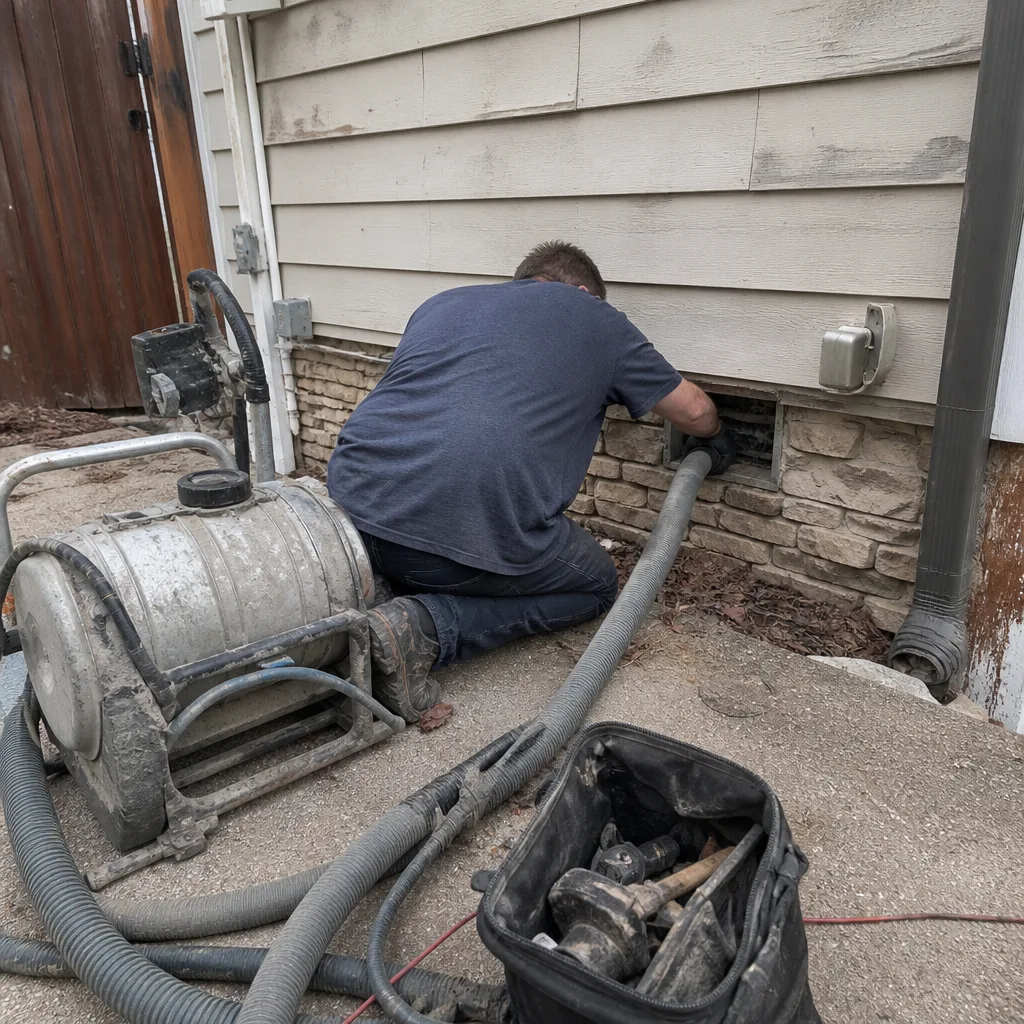 Before
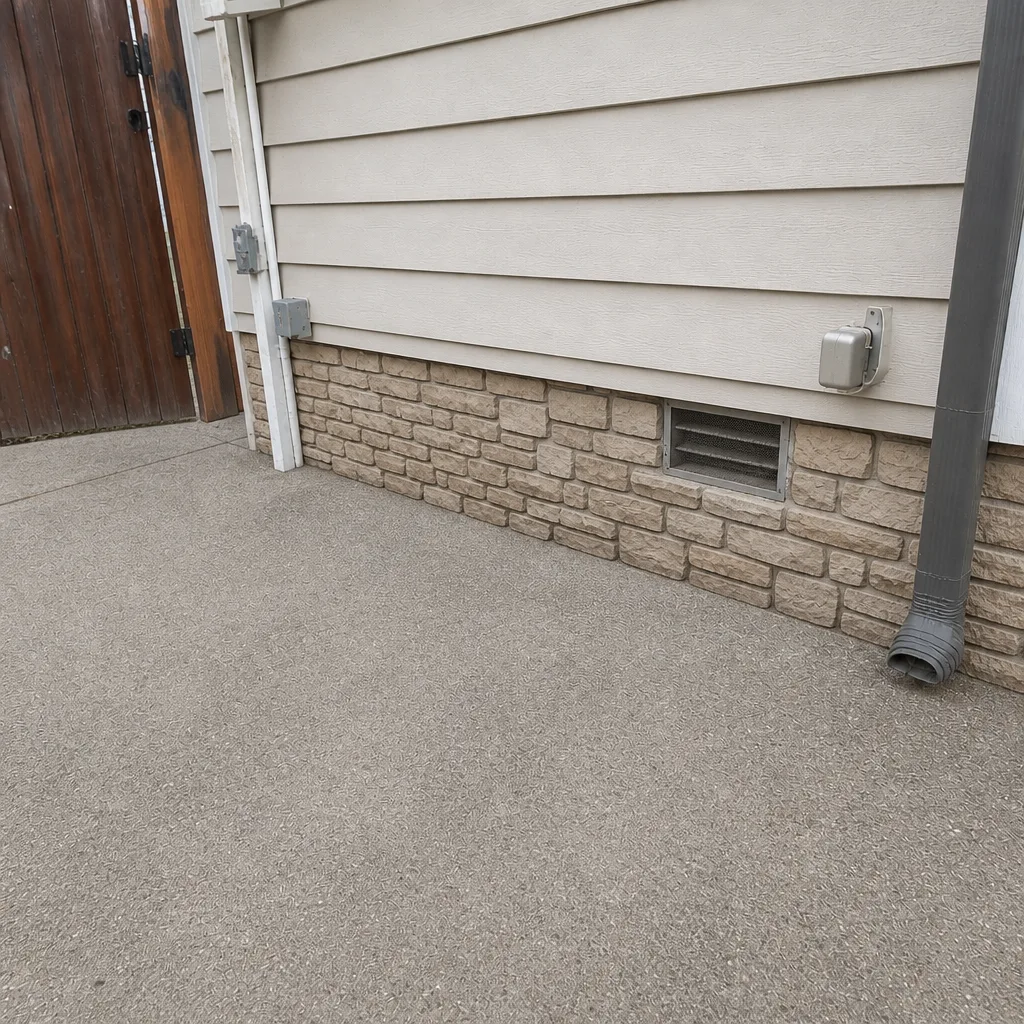 After
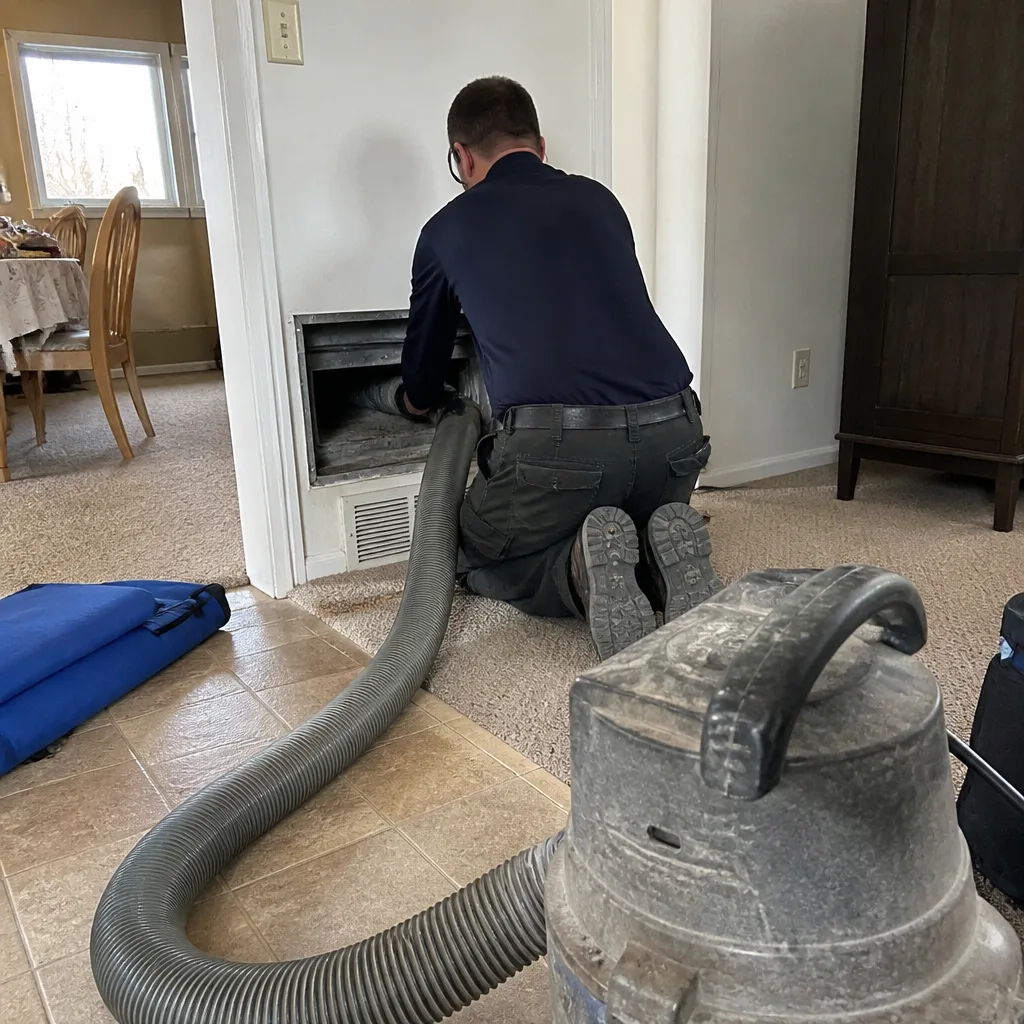 Before
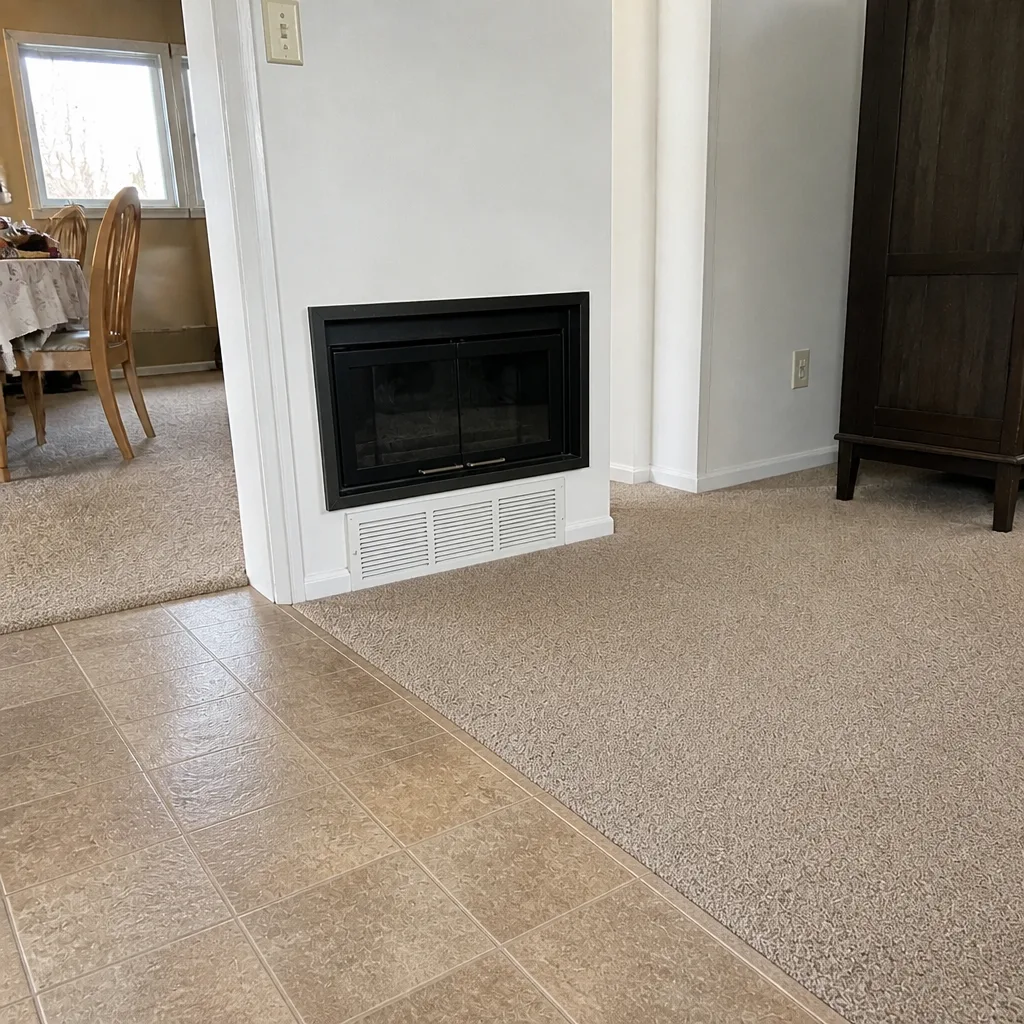 After
When to Call a Professional
There are a few situations where the decision is straightforward. If you can see visible dust buildup on the return grilles, and it’s not reducing after a filter change, the duct system is a reasonable next place to look. If rooms on the far end of the system run noticeably cooler or warmer, unsealed joints or a compromised branch are likely involved. If you’ve noticed musty odors coming from supply registers when the system starts, or allergy symptoms that aren’t seasonal and aren’t going away, the duct interior is worth inspecting. If your HVAC system was installed more than a decade ago and has never had the duct system evaluated, that’s a reasonable milestone. And if you’re responsible for a rental property or commercial space in Boulder, a scheduled duct evaluation before a new tenant moves in is usually simpler than a mid-tenancy complaint.
Boulder Air Duct Cleaning Co offers free estimates in Boulder – call (866) 328-8803 to book one. We answer 24/7. Fast dispatch from 7am to 7pm, Sunday through Friday.
Frequently Asked Questions
The brands that matter most are Rotobrush for sealed agitation and Nikro or Abatement Technologies for negative air and scrubbers, since those are the systems built for residential contaminant control. When a contractor can name and explain why those specific brands were chosen, they have equipment capable of the work in Boulder homes. When they can’t, the claim is worth double-checking.
Yes, and in specific ways. A negative air machine with insufficient CFM leaves the far branches under-served. A brush system without RPM control can tear flex duct lining. A vacuum without exhaust-side HEPA filtration can push fine dust back into the room. The brand name matters because the equipment it represents has the specs to do the job – call (866) 328-8803 to ask about the specifics on your Boulder home.
Watch the setup, look at the negative air machine’s label, ask where the HEPA filter sits, and confirm the camera run is included before work starts. Those four checks together confirm the equipment matches the quote. If the answers are vague or the equipment doesn’t come off the truck, ask directly.
Cheaper quotes usually mean smaller scope: fewer tools, less time on the system, and equipment that can’t reach the far branches. The brand-name equipment that does serious work carries overhead that a shop-vac-and-brush setup doesn’t. The cheaper job can still be done well for a simpler duct system, but for a complex layout or a Boulder home with long runs, the scope difference matters. Call us for a quotation based on what your system actually needs.
Aeroseal is a duct sealing process that injects a sealing mist into the system and lets escaping airflow carry it to the leaks, which it can reach even when they’re behind drywall or inside chases. Boulder homes with uneven room temperatures, dusty return grilles, or new HVAC equipment often benefit. Brush-applied mastic covers accessible joints; Aeroseal covers the rest. A company offering both can recommend honestly.
There’s no universal interval – it depends on the system, the filtration, the home, and what’s happening in the space around it. Homes with ongoing renovation, pets, or allergy occupants often need evaluation sooner than homes without. In our experience, the visible signals – dusty returns that don’t clear after filter changes, musty odors when the system starts, uneven airflow – are more reliable than a calendar. Call (866) 328-8803 for a free estimate if those signals are showing up.
The Bottom Line
Choosing the right air duct cleaning brand in Boulder is really about choosing the equipment that will actually do the work in your home. Professional-grade systems – Rotobrush for sealed agitation, Nikro for negative air, Abatement Technologies for scrubbing – are what separate a real cleaning from a vacuum-and-brush approximation. Spec-level questions (CFM at working static pressure, HEPA filter placement, brush RPM control) tell you whether the contractor can make real use of the equipment they claim. And the whole-system view – cleaned, repaired, and sealed – is what makes the improvement hold up. Our technicians have up to 9 years of experience and we’ll answer those spec questions without hesitation.
If you’re ready to move from research to a quote, we can take it from here. Boulder Air Duct Cleaning Co offers free estimates in Boulder. Call (866) 328-8803. We answer 24/7. Fast dispatch from 7am to 7pm, Sunday through Friday. We’re closed Saturday.
Written by the team at Boulder Air Duct Cleaning Co.