
Last updated November 23, 2026
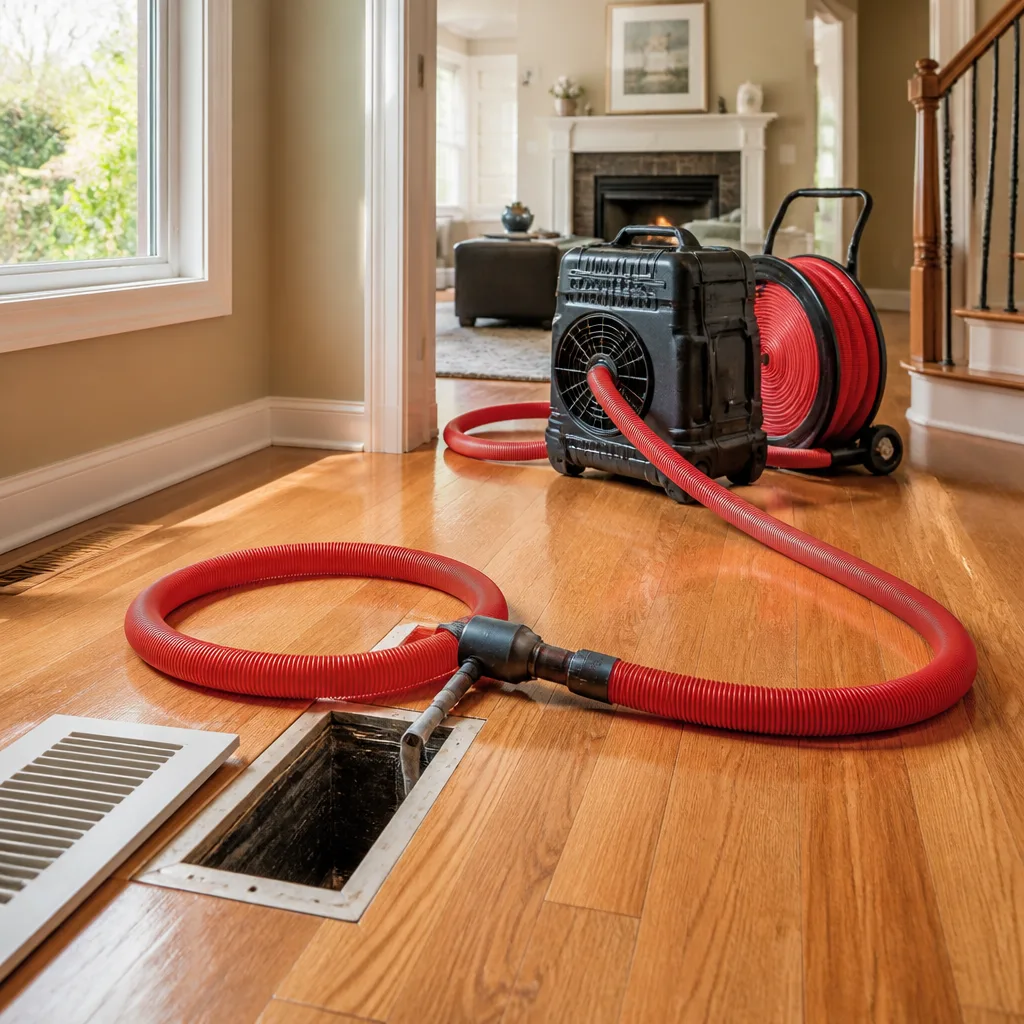 Whole-home duct cleaning
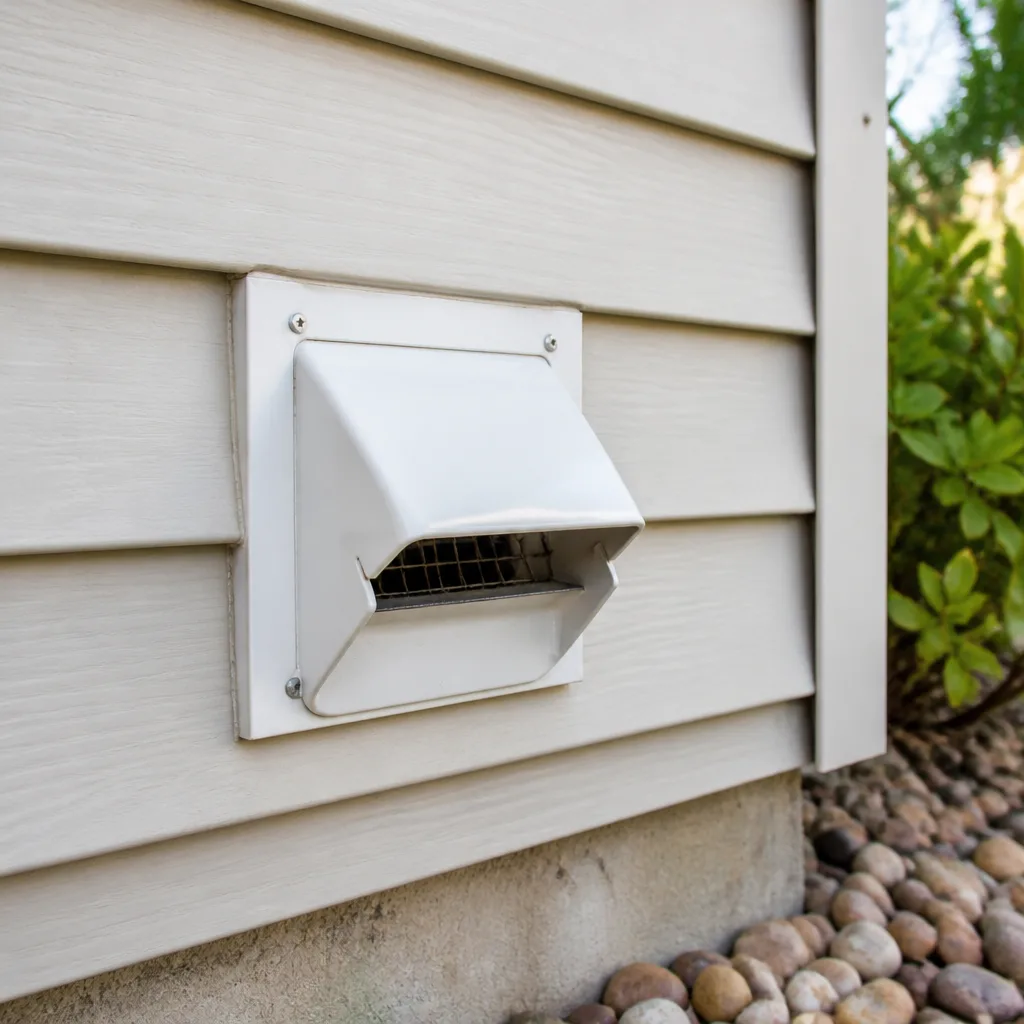 Dryer vent cleaning
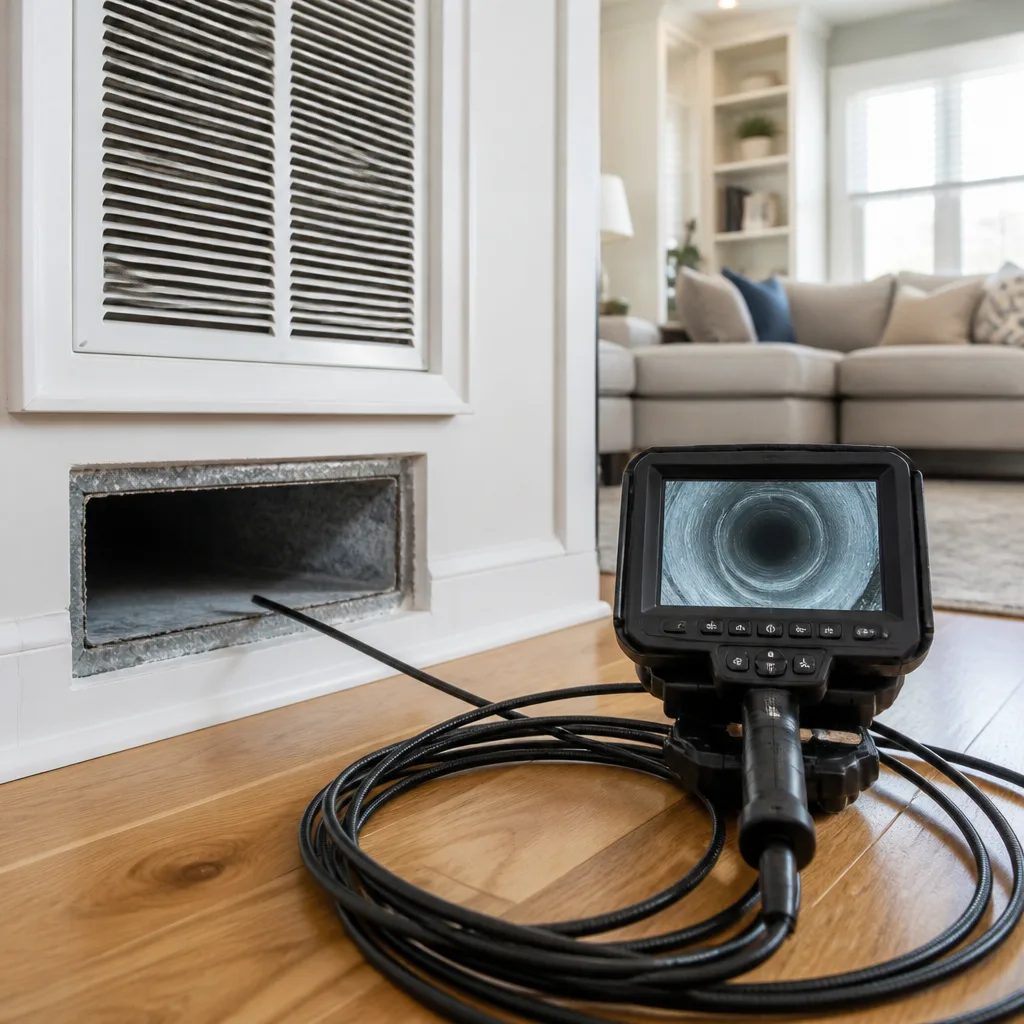 Camera inspection
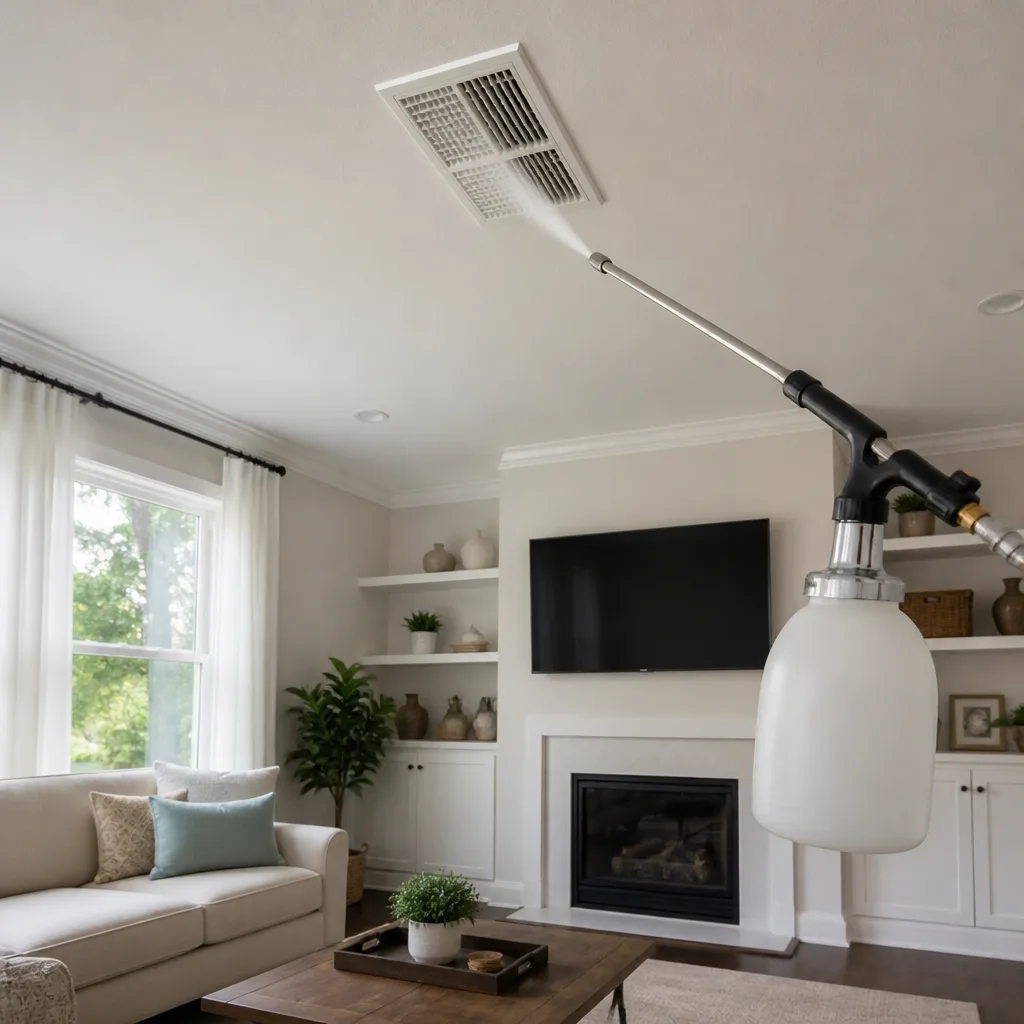 Sanitizing & deodorizing
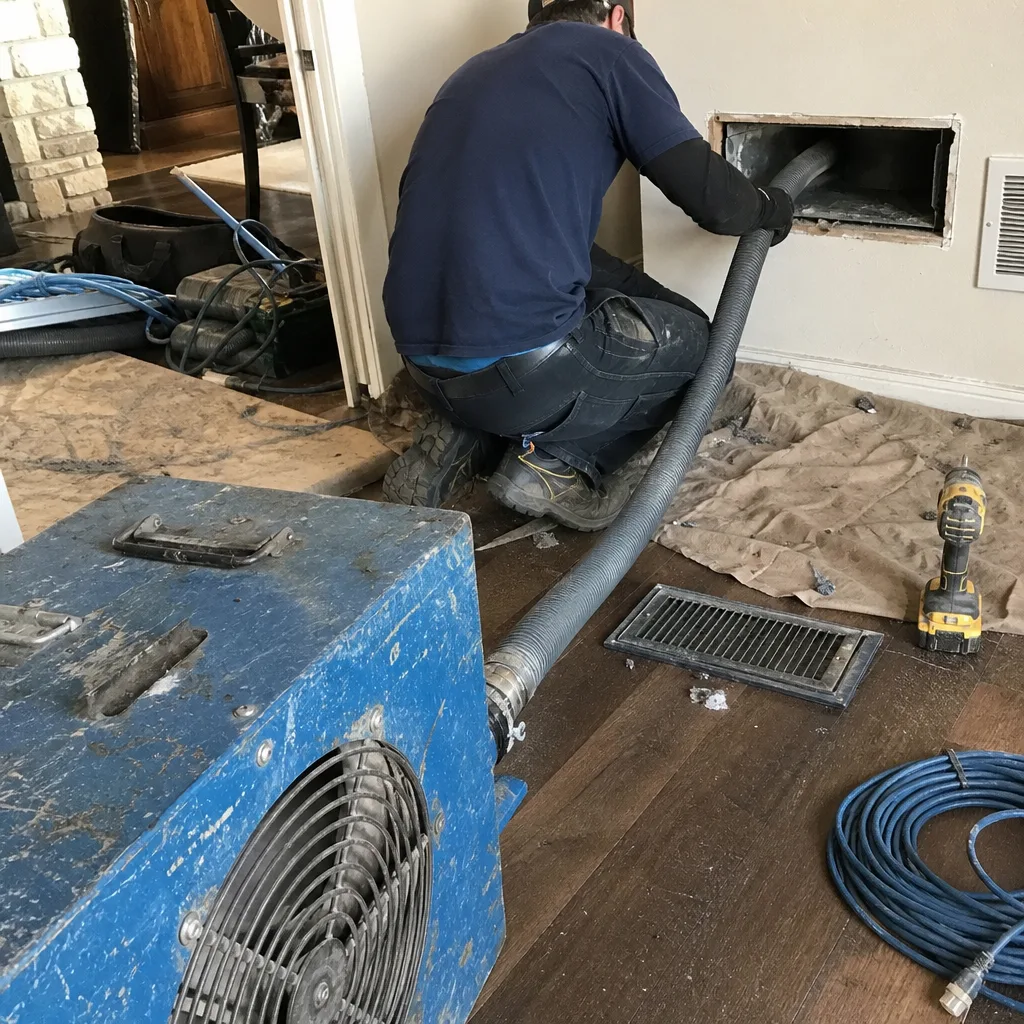
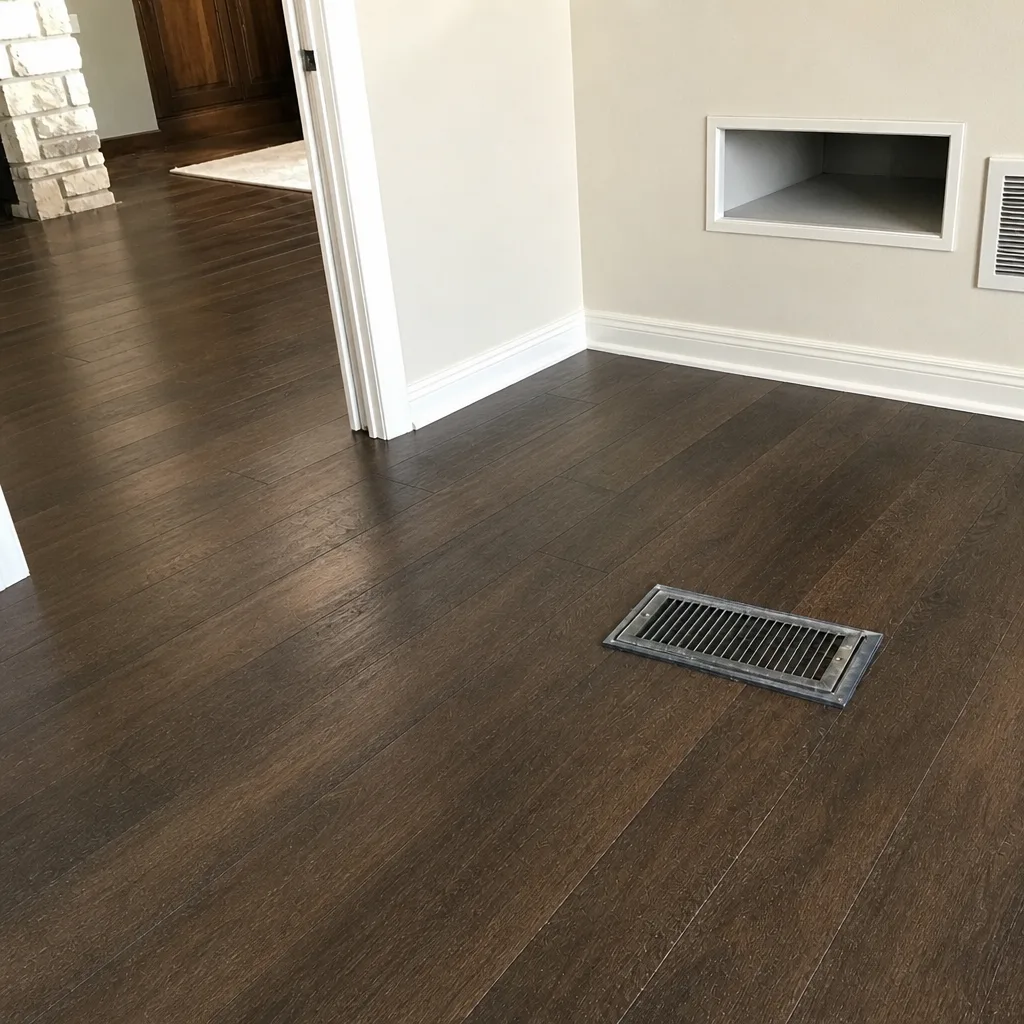
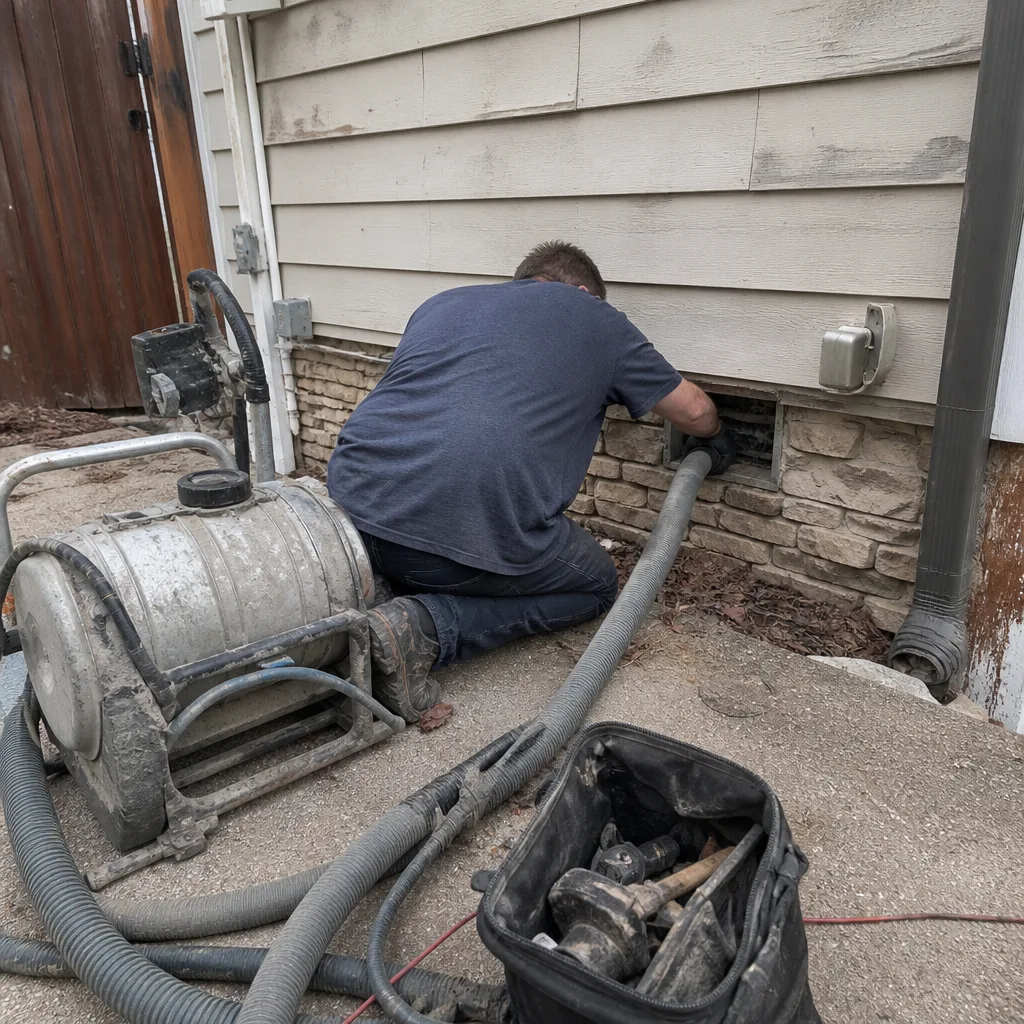
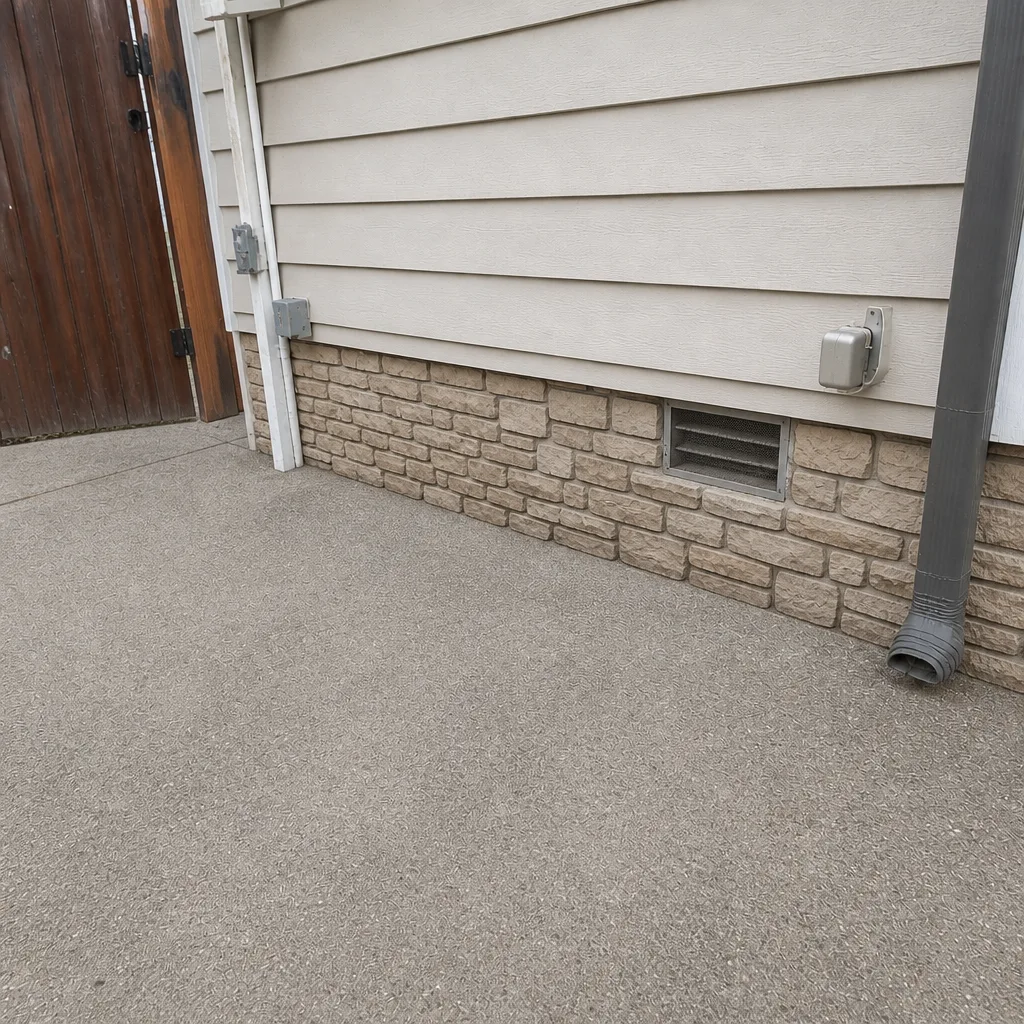
Whole-system duct and dryer vent check with before-and-after photos - you see exactly what came out of your vents
That "$99 whole-house special" is a bait ad - the real number appears once they are in your hallway, or the "clean" is a shop-vac at the register. We photograph the inside of your ducts before and after instead.
Air Duct Cleaning Warning Signs: A Boulder Homeowner’s Reference Guide
Dust settling on the coffee table two or three days after you cleaned it does not mean your cleaning routine is failing. More often it points to something specific and diagnosable in the duct system itself, usually supply-side leakage that lets unfiltered air bypass the filter and drop straight into your living space. The trick is learning to read that signal instead of reacting to it with a panic call or, just as often, ignoring it for another year. This guide teaches you to identify the difference between a filter-bypass problem, a biological growth problem, and mechanical contamination, and to know which symptoms in a Boulder home point where.
Quick Answer
The main warning signs that your ducts need attention are dust that returns to surfaces within two to three days of cleaning, visible dark or fuzzy deposits at the registers, musty or dusty odors that appear when the system kicks on, and rooms that run noticeably warmer or cooler than the rest of the house. In Boulder, persistent smoke-odor after a wildfire season is a separate and important signal. Each of these points to a different underlying cause, so identifying the pattern matters more than spotting any single sign.
Styles & brands we work with
- Whole-home duct cleaning
- Dryer vent cleaning
- Camera inspection
- Sanitizing & deodorizing
Table of Contents
- Sign 1: Dust That Comes Back Within Days
- Sign 2: What Your Registers Are Telling You
- Sign 3: Reading Odors Correctly
- Sign 4: Uneven Room Temperatures
- Sign 5: Filter Bypass vs. Biological Growth vs. Mechanical Contamination
- Sign 6: Boulder-Specific Warning Signs
- The Three-Question Diagnostic Test
- Common Mistakes to Avoid
Sign 1: Dust That Comes Back Within Days
Dust reappearing on furniture two or three days after you wiped it down is the single most common complaint we hear from homeowners in Boulder, and it is also the most frequently misread. The assumption is usually that the ducts are full of dust and need a thorough cleaning. Sometimes that’s true. More often, the ducts are fine and the problem is leakage on the supply side, which pushes unfiltered air past the filter and directly into your rooms. Cleaning the ducts alone will not fix that, and you’ll see the dust return within a week or two.
The way to tell the difference is location. If the dust develops evenly across every surface in every room, contaminated ductwork is a reasonable suspect. If the dust concentrates near specific supply registers, on the walls directly below them, or on the tops of high shelves on one side of the house, the pattern is more consistent with leakage. That’s a duct repair and sealing problem, and it’s often the reason a full-system approach matters more than a single cleaning.
- Even dust across all rooms: suggests contaminated ducts, a failing filter, or a central return drawing from a dirty space.
- Concentrated dust near one or two registers: suggests leaks or disconnected joints in the supply run serving those rooms.
- Dust that returns within 48-72 hours after cleaning surfaces: strongly suggests the filter is being bypassed at the air handler cabinet.
- Dust streaks or “tracks” running down walls below a vent: suggests a leak at the boot or the register seal.
When the pattern points to a system-level issue rather than surface dust, professional air duct cleaning combined with a leak inspection answers the question in a single visit instead of two.
Sign 2: What Your Registers Are Telling You
Registers are your most reliable diagnostic tool, and most homeowners walk past them every day without looking closely. The color, texture, and location of deposits inside a register tells you a lot about what’s happening upstream. You don’t need to climb a ladder or remove anything to read them. A flashlight and a few minutes will tell you most of what a technician would check first on a walkthrough.
Color tells you about age and composition
- Light grey, thin film: normal household dust accumulation and often not a serious problem if the filter is being changed on schedule.
- Dense black deposits: carbon-based buildup, sometimes from an aging furnace, sometimes from years of unfiltered return air. Worth investigating.
- Brown or rust-colored staining: moisture is present somewhere in the run. That’s a different problem, and one that needs to be found and fixed.
- Yellowish or tan crust: more typical of a backdraft issue or combustion byproduct. Stop using the system until it’s checked.
Texture tells you almost as much
Dry and powdery points to dust. Fuzzy, stringy, or velvety deposits suggest a biological component, likely fungal, and usually means moisture is present. Gritty or sandy texture points to construction debris, external soil drawing in through a leak, or deterioration of internal duct lining.
Location matters
Deposits at every register suggest a system-wide problem. Deposits at registers on one side of the house suggest a specific branch or trunk. Deposits concentrated on the closest registers to the air handler suggest contamination starting at the source and getting diluted as it travels. Look at the pattern before you decide on a fix.
Sign 3: Reading Odors Correctly
Odors are the second most misread signal. Homeowners tend to describe everything as “musty,” but in our experience the specific character of the smell tells you a great deal about the underlying condition. If you can name the odor accurately, you can usually narrow it down before anyone opens a single panel.
- Musty or earthy: biological growth. Almost always means moisture is present somewhere in the duct system, the air handler, or the coil. Cleaning alone won’t solve this; the moisture source needs to be identified and the system needs to be cleaned, dried, and often sanitized.
- Dusty or “dry” smell: accumulated dust and debris. This is what most customers mean when they say “stale air.” Usually addressed by cleaning plus improving filtration.
- Chemical or acrid smell: something is off-gassing. New duct materials, adhesive, sealant, or sometimes an electrical component. Treat this as an investigation item, not a cleaning item.
- Rotten egg or sulfur: this is a gas smell and should be treated as a safety issue. Stop using the system and call your gas utility before anything else.
- Smoke or char smell, especially months after a wildfire: contamination embedded in the system, not just surface odor. This is a Boulder-specific case and is worth its own section below.
When the odor is persistent and clearly coming from the vents when the system runs, the source is almost always inside the system and not in the room. That’s the point at which a full assessment, not a room-level air freshener, is the right answer.
Sign 4: Uneven Room Temperatures
A room that runs a few degrees off from the rest of the house is one of the most common complaints in Boulder homes, and one of the least well understood. The assumption is usually that the ducts are blocked or unclean. Sometimes they are. But uneven temperatures can come from three distinct categories of problem, and the fix is very different for each.
- Duct condition: leaks, disconnected joints, crushed or kinked flex runs, or a collapsed interior liner. Air that should be delivered to a room is escaping somewhere else in the run.
- HVAC sizing or balance: the equipment is sized correctly for the house but the branch dampers aren’t balanced, or a room has too few supply registers for its volume. No amount of duct cleaning will fix this.
- Zoning and control issues: multiple thermostats, smart dampers, or a zoned system that isn’t set up or operating correctly. This is a controls problem, not a duct problem.
How you tell them apart: if a room is cold in winter and hot in summer relative to the rest of the house, it’s usually a delivery-volume problem, which points at duct condition or balance. If a room is always cold or always hot regardless of season, it’s usually a sizing or register-placement issue. If the room’s temperature swings on a schedule while the rest of the house stays even, look at the zoning and controls first. A duct inspection answers the first question quickly; the other two may need an HVAC assessment.
Sign 5: Filter Bypass vs. Biological Growth vs. Mechanical Contamination
These three problems produce similar symptoms, and the mistake most homeowners make is treating them all as “dirty ducts.” They aren’t the same, and the response for each is different. Here’s how to tell them apart.
Filter bypass
Air is getting around the filter rather than through it, usually because the filter frame is undersized for the cabinet, the filter is the wrong dimension, or the filter slot is loose. Symptoms: dust returning quickly after cleaning, dust concentrated at supply registers, visible dust at the air handler cabinet. Fix: reseat or replace the filter frame, use the correct filter size and MERV rating for the equipment, and check that the filter isn’t collapsing under pressure. That last point is a Honeywell filter concern we see in Boulder homes with higher-end filtration systems.
Biological growth
Microbial growth inside the ducts, coil, or drain pan. Symptoms: musty or earthy odor, fuzzy or velvety deposits visible at the registers, visible moisture or staining in the system, sometimes a spike in allergy symptoms when the system runs. Fix: identify and remove the moisture source, then clean, dry, and typically sanitize the system. This is where IPM and Abatement Technologies capability matters, because standard cleaning won’t solve a moisture problem on its own.
Mechanical contamination
Debris, construction dust, insulation fibers, pest droppings, or deteriorated duct lining inside the system. Symptoms: gritty or sandy dust at registers, visible debris when you look into a register with a flashlight, sometimes a change in airflow. Fix: full mechanical cleaning with professional equipment, then a duct repair and sealing pass if the lining is compromised.
Sign 6: Boulder-Specific Warning Signs
Boulder’s climate and geography create a few warning signs you won’t see discussed in generic guides. They’re worth knowing because they often mimic other problems and the fix is different.
Post-wildfire odor persistence
Smoke odor that persists indoors months after a wildfire event in the Front Range is usually not coming from the air outside. It’s embedded in the duct system, in filters, and sometimes in the HVAC cabinet itself. Standard cleaning doesn’t always resolve this because smoke particles settle into surfaces and can require contaminant-specific treatment. If your system still smells like smoke after the outdoor air has cleared, that’s a sign the odor has settled into the system and needs treatment rather than ventilation.
Altitude-related pressure imbalance
At Boulder’s elevation, system static pressure runs higher than on the coasts, and small duct leaks that would be minor at sea level become more significant here. Symptoms: registers that “hiss” or whistle, doors that don’t stay open reliably, dust that reappears faster than you’d expect. This is a leak-and-balance problem as often as a cleaning problem.
Humidifier scaling
Boulder’s water is hard, and humidifiers on forced-air systems scale up inside the system quickly. Symptoms: visible white or chalky deposits on the humidifier panel, a musty smell near the humidifier, or the humidifier running less effectively than it used to. Aprilaire and similar systems benefit from periodic service just like any other component. Scale buildup becomes a source of biological growth if it’s left alone.
Seasonal dust cycles
In spring, the wind events on the Front Range drive a lot of particulate into return-air intakes, especially in homes near open space or gravel roads. If dust spikes dramatically in spring and then settles back to a normal level, that’s expected. If dust stays elevated into summer and fall, that’s the sign the filter and system are being bypassed somewhere.
The Three-Question Diagnostic Test
Before calling anyone, most homeowners can narrow the problem down considerably with three questions. If you can answer them honestly, you’ll make the first conversation with a technician much more productive, and you’ll be less likely to accept a solution that doesn’t match the actual problem.
- When did the problem start? A problem that appeared suddenly points to a leak, a new filter, or a change to the system. A problem that developed slowly over years points to accumulation, moisture, or system age.
- Does it get worse when the system runs? If the odor, dust, or discomfort increases when the fan is on, the source is almost certainly inside the system. If it’s the same whether the system is running or not, the source may be the room itself.
- Is the problem in one room, one zone, or the whole house? One room points to a branch run. One zone points to a trunk or damper. The whole house points to the air handler, the main trunk, or the filter.
Write the answers down before you call. A technician who respects your time will ask these exact questions, and having them ready shortens the diagnosis.
Why Boulder Homes Are Often More Vulnerable
Boulder sits on the edge of the plains against the foothills, and the geography matters here. Homes built into slopes and against hillsides see significant wind-driven pressure differences on different faces of the house, which pushes unconditioned, unfiltered outside air into the envelope through every available gap, including duct joints and register boots. That’s not a duct-cleaning failure. It’s a building-envelope and duct-sealing issue, and it’s one reason we emphasize HVAC cleaning as part of a whole-system assessment rather than in isolation.
Older homes in neighborhoods like Mapleton Hill and Whittier often have original metal ductwork with original joints, which were never designed to be airtight by modern standards. Newer construction in areas like Northfield and Holiday Park tends to use flex duct, which is faster to install but more prone to kinks, sagging, and disconnected joints during the first few years. Both scenarios produce the same types of symptoms, but the diagnostic path and the repair work are different. Knowing which kind of system you’re living with tells you which symptoms to watch most closely.
Fire seasons along the Front Range have also changed what “normal” dust and odor look like. A house that used to have clean air through summer now deals with two or three periods of heavy smoke intrusion each year, and much of that contamination ends up inside the system rather than on the surfaces you can see. Cleaning the system after fire season, not just in spring, is a reasonable habit in Boulder.
What a Proper Inspection Actually Involves
If a warning sign points to a genuine duct or system problem, the right next step is an inspection that answers the diagnostic question, not a cleaning crew that shows up with a vacuum and a promise. Here’s what a proper inspection should include, so you know what to ask for.
- Visible inspection of the air handler and coil. The coil is where most moisture problems start and where filter bypass shows up first.
- Filter condition and fit check. Is the filter the right size? Is it seated fully? Is it collapsing under pressure? Bypass around the filter frame is often the root cause of dust complaints.
- Return-air and supply-side observations. Look for disconnected joints, crushed flex, torn insulation, or gaps at boots and plenums.
- Register deposits evaluated for color, texture, and pattern. This is where diagnosis actually happens, not where cleaning happens.
- Humidifier and filter housing condition. Scale, standing water, and microbial growth are common finds in Boulder homes.
- Odor assessment with the system running and off. Comparing the two tells you whether the source is inside the system.
We use Rotobrush and Nikro equipment because the tools determine what the inspection can actually confirm. A consumer-grade vacuum with a brush attachment can’t reach or assess the inside of a trunk run. Professional systems can. Likewise, familiarity with Guardsman and Honeywell filtration components makes the filter-bypass question answerable during the visit rather than deferred to a second contractor. Our technicians have up to 9 years of experience with these systems, and they can usually tell you within the first visit whether you’re looking at a cleaning problem, a repair and sealing problem, or something else entirely.
Dryer vents matter in the same conversation. A dryer vent that’s partially blocked shows up as longer dry times and a warm laundry room, and it’s a genuine fire-safety item, not an upsell. Checking it alongside the HVAC system is part of what whole-home assessment should mean. More on that at our dryer vent cleaning page.
Common Mistakes to Avoid
- Assuming dust means “dirty ducts.” Dust returning quickly after cleaning is more often a filter-bypass or supply-leak problem than a system full of debris. Cleaning without fixing the leak means the dust returns in two weeks.
- Treating a musty smell with an air freshener. Musty means moisture somewhere, and masking it doesn’t help. The moisture source has to be found and dried before the odor stops coming back.
- Replacing the filter with a higher-MERV filter to “catch more.” In a Boulder home with high static pressure, an over-restrictive filter can worsen airflow and even damage equipment. Match the filter to the system, not to a marketing claim.
- Choosing a contractor on price alone without a scope of work in writing. A cheap quote for “duct cleaning” often means a vacuum pass over accessible registers and no filter-bypass check, no leak inspection, and no after-work photo evidence. Insist on a written scope and before-and-after photos of your own system.
- Ignoring the humidifier. Hard water in Boulder scales up humidifier components quickly. A scaled humidifier is a biological-growth source and an airflow restriction, and it doesn’t show up in a duct cleaning quote unless someone looks at it.
- Skipping the inspection between cleanings. If the system had significant buildup once, it will again. A brief check each season, rather than a full clean every season, keeps you ahead of it without overspending.
- Assuming the smoke smell will fade on its own. Wildfire odor that persists months after the event has usually settled into the system. Letting it sit means the contamination is redistributed through the house every time the fan runs.
How Often Does It Really Need Doing?
There’s no single schedule that fits every Boulder home, but there is a reasonable starting point. The EPA’s general guidance for duct cleaning is on an as-needed basis, and most homes with a well-maintained filter don’t need a full cleaning every year. A useful rule of thumb: change the filter on the schedule your equipment spec calls for, have the system inspected when the warning signs above appear, and schedule a full cleaning if you’ve had significant construction work, water intrusion, pest activity, or a wildfire season that drove heavy smoke into the system.
Homes with pets, recent renovations, or a history of moisture issues benefit from a slightly tighter inspection cadence. Homes with a well-sealed system, a properly fitting filter, and no symptoms can often stretch to a longer interval between cleanings. The right answer depends on the system, not on a fixed number, and any contractor who insists on an annual schedule without looking at your system first is selling a subscription, not a service.
See the difference
 Before
 After
 Before
 After
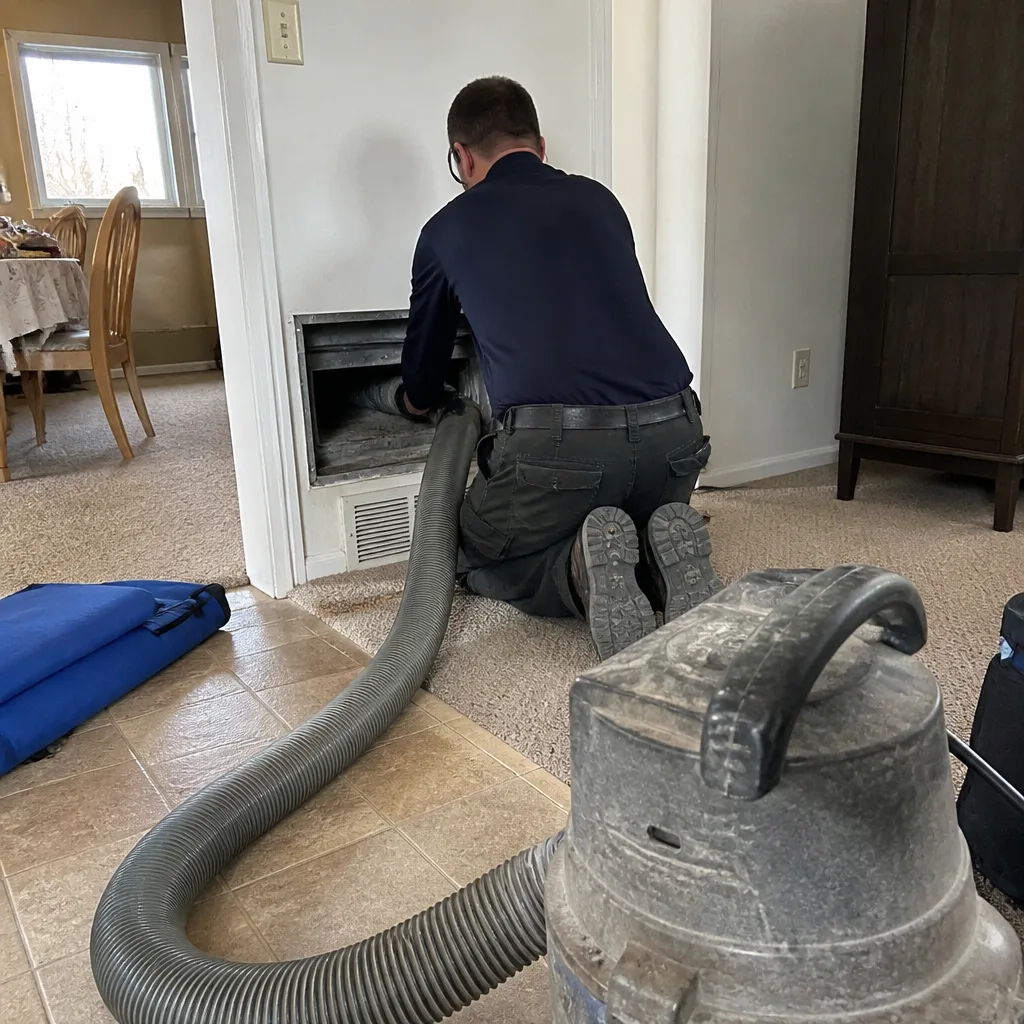 Before
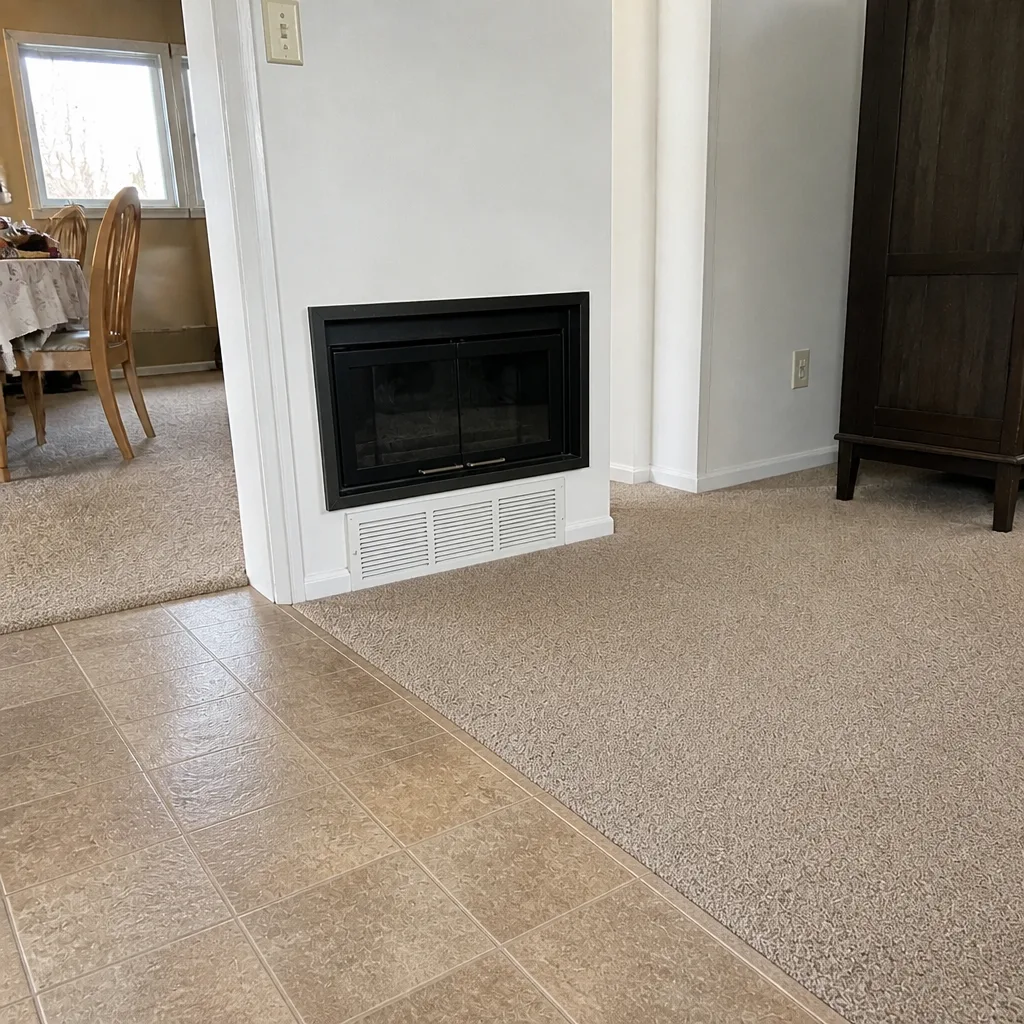 After
When to Call a Professional
Call a professional when you see dark or fuzzy deposits inside the registers, when dust returns to surfaces within a few days of cleaning, when a musty or smoke odor persists even after the outdoor air has cleared, or when one room consistently runs significantly warmer or cooler than the rest of the house after the filter has been checked and replaced. Call sooner if the system is producing a chemical smell or if the humidifier shows visible scale. If you’re not sure, the three-question test above gives you enough information to have a first conversation.
Boulder Air Duct Cleaning Co offers free estimates in Boulder. Call (866) 328-8803. We answer 24/7. Fast dispatch from 7am to 7pm, Sunday through Friday.
Frequently Asked Questions
Typical duct cleaning in the Boulder area runs a few hundred dollars for a straightforward single-system home and higher for larger homes or systems that also need repair and sealing. The written estimate sets the final price, and it’s per job rather than per vent. Call (866) 328-8803 for an exact quote – estimates are free.
If dust returns within two to three days of cleaning surfaces, that’s usually a filter-bypass or supply-leak problem, which means sealing rather than cleaning is the fix. If deposits are visible at the registers and the system hasn’t been cleaned in many years, cleaning is the right starting point. An inspection with photos of your own system tells you which one you’re dealing with. Call for a free estimate and we’ll assess it on site.
Musty smell on startup almost always means microbial growth somewhere in the system, usually on the coil, in the drain pan, or in the duct lining. Cleaning without removing the moisture source will not fix it, and it will come back. The right response is a system inspection to find the moisture, followed by cleaning, drying, and typically sanitizing.
Smoke odor that persists long after the outdoor air has cleared is usually a sign that particles have settled into the duct system, the filter housing, and sometimes the HVAC cabinet. Standard vacuuming won’t always address it. Treatment with contaminant-control products and professional cleaning is usually what resolves it.
You can remove surface dust from the registers, but a shop vac can’t reach the inside of a trunk run and can’t assess whether the real problem is a leak or a filter bypass. More importantly, opening the system without knowing what’s inside it can disturb biological contamination or pest debris into the living space. Have it assessed first.
Low quotes usually reflect a narrower scope: a vacuum pass over accessible registers, no filter-bypass check, no leak inspection, and no before-and-after photos of your system. The lower price is real, and so is the missing work. Ask any contractor how they’ll handle filter bypass, leak inspection, and photo documentation before you decide.
Yes, and homes with pets or allergy-sensitive occupants are often the households that benefit most from proper cleaning and sealing, because they see the symptoms first. The key is to identify whether the problem is contamination, moisture, or leakage before starting, so the cleaning actually addresses the source.
Ask for before-and-after photos of your own system components, not stock photos. A professional cleaning with Rotobrush and Nikro equipment can document the inside of a trunk run before and after, and a written report should describe what was found and what was done. If a contractor can’t show you that, that’s a warning sign in itself.
The Bottom Line
Most of what homeowners call “bad air quality” turns out to be a small number of specific, diagnosable problems: filter bypass, supply-side leakage, biological growth from moisture, mechanical contamination, or a balance issue that has nothing to do with dirt. Learning to read the pattern, rather than reacting to any single sign, is what actually resolves the complaint. Boulder’s elevation, hard water, and fire seasons make the diagnosis a little more specific here, but the principles are the same. If you walk through the three-question test and the pattern points to a real system problem, that’s the moment to have it professionally assessed. Read the signals as a technician would, and you’ll make fewer calls that don’t solve the problem and fewer decisions you regret.
Contact
If you’ve reviewed the warning signs above and want a real diagnosis of your system, we’re ready to help. Boulder Air Duct Cleaning Co provides cleaning, repair, sealing, and sanitizing as a full system, using Rotobrush and Nikro professional-grade equipment and contaminants capability through Abatement Technologies. Call (866) 328-8803 for a free estimate. We answer 24/7. Fast dispatch from 7am to 7pm, Sunday through Friday. Our technicians have up to 9 years of experience, and every write-up includes before-and-after photos of your own system so you know exactly what was cleaned, repaired, and sealed. Estimates are free, and the written estimate sets the price before work begins.
Written by the team at Boulder Air Duct Cleaning Co.