
Last updated November 23, 2026
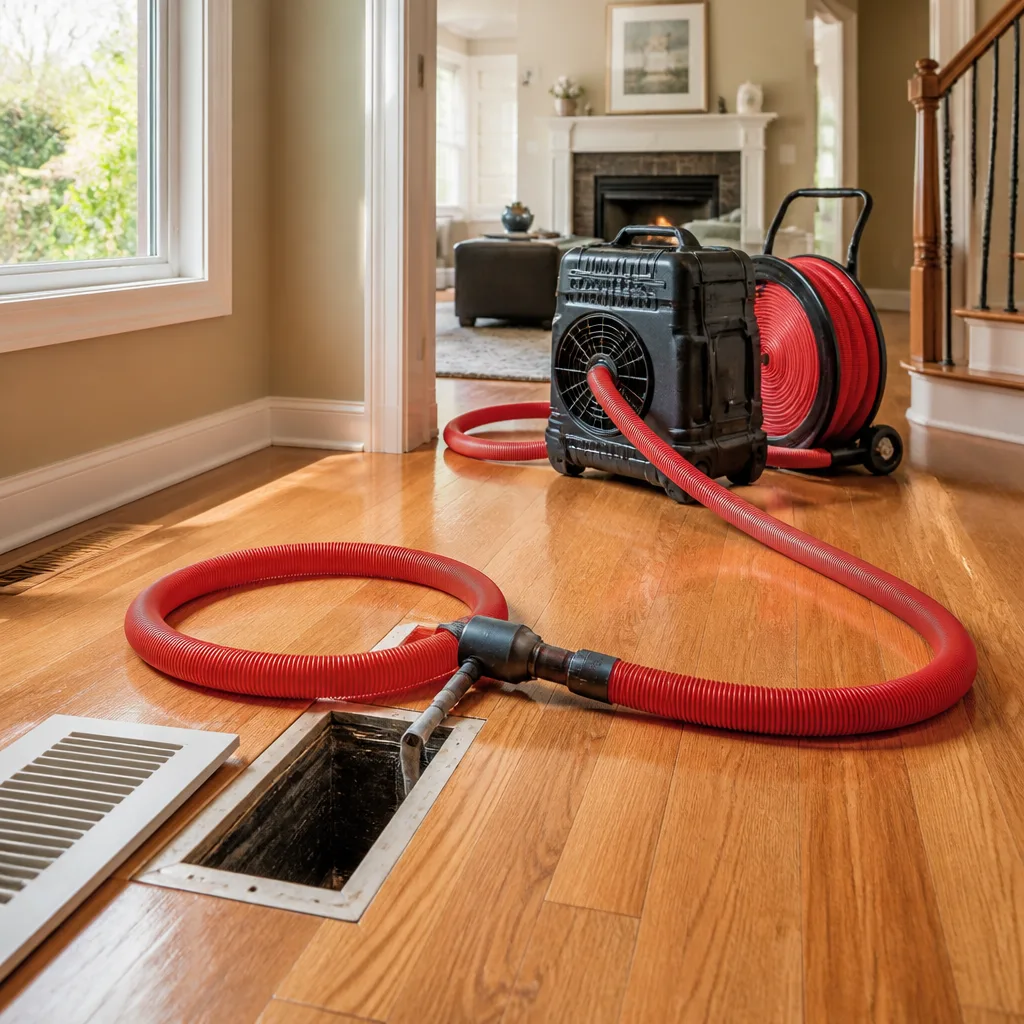 Whole-home duct cleaning
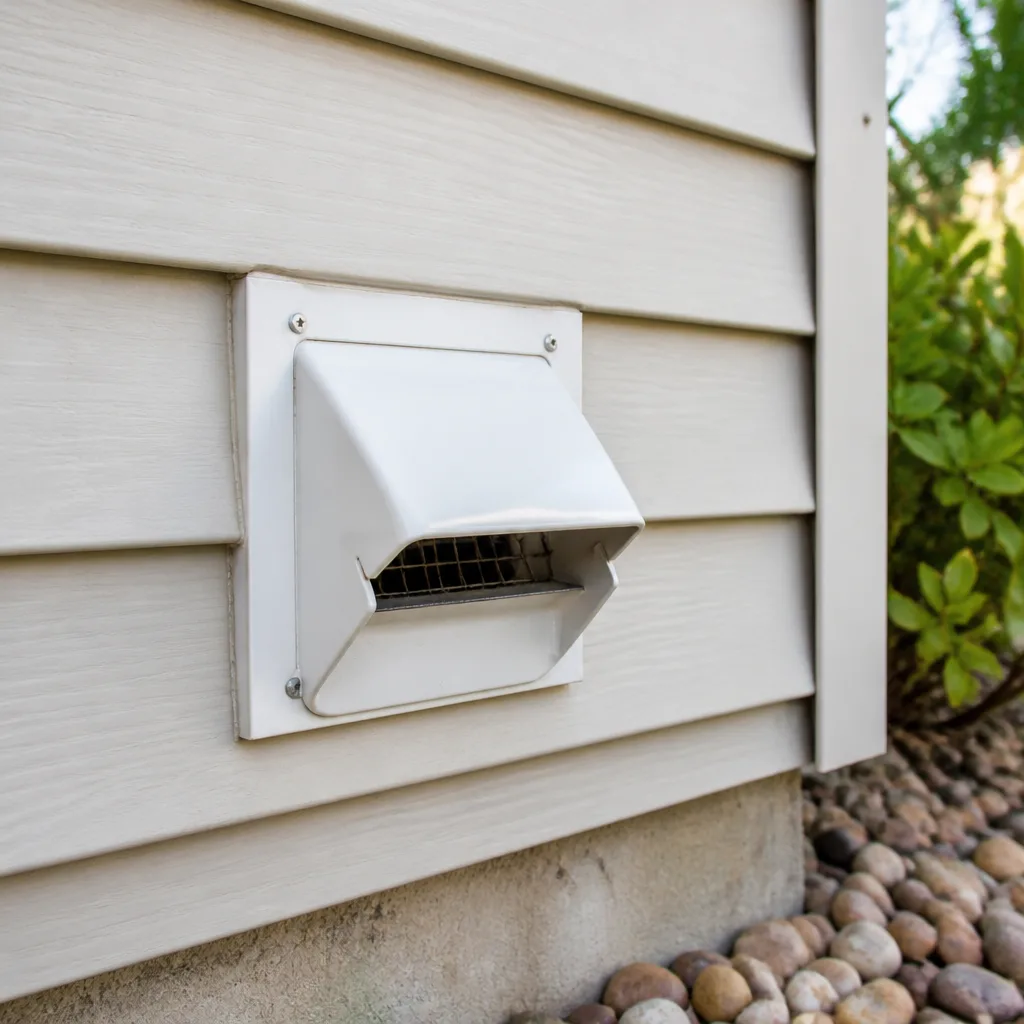 Dryer vent cleaning
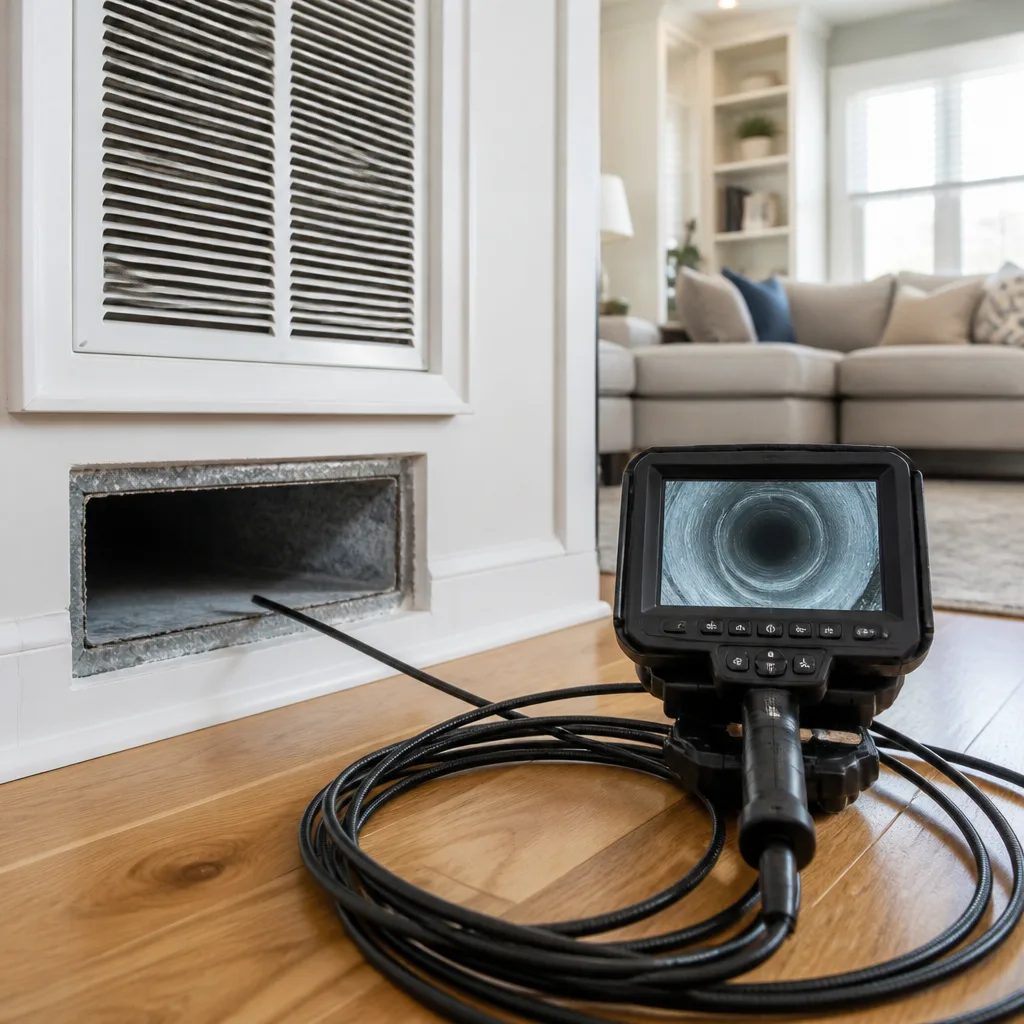 Camera inspection
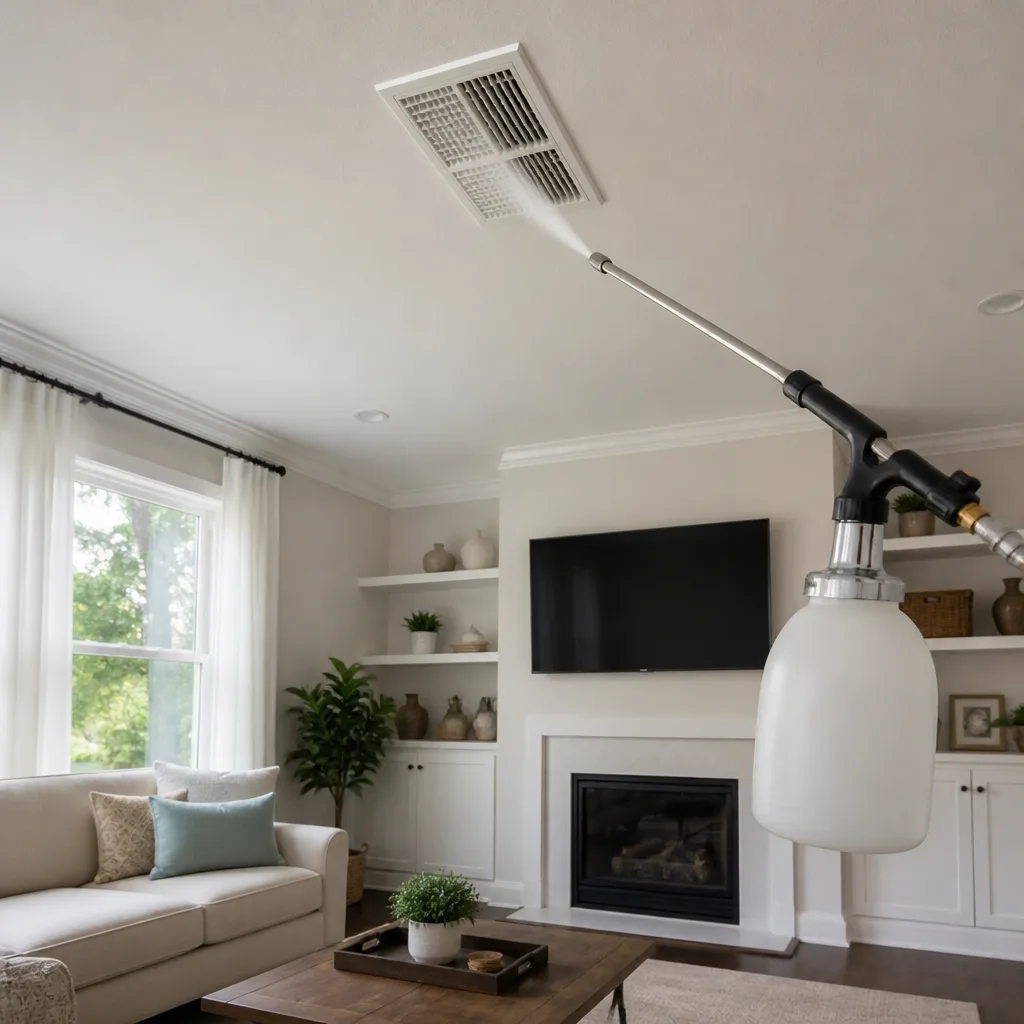 Sanitizing & deodorizing
Whole-system duct and dryer vent check with before-and-after photos - you see exactly what came out of your vents
That "$99 whole-house special" is a bait ad - the real number appears once they are in your hallway, or the "clean" is a shop-vac at the register. We photograph the inside of your ducts before and after instead.
Air Duct Cleaning Troubleshooting in Boulder: Common Problems and How to Fix Them
A dusty supply register and a collapsed length of duct liner look identical from the living room floor. One needs a $200 cleaning. The other needs a repair before any cleaning will matter at all. Most homeowners in Boulder call about the wrong one, and that’s the reason some duct work gets done twice. This guide walks through the diagnosis the way a technician does it: what airflow at the register tells you, what each smell means, and where the line sits between cleaning, repair, and an HVAC problem upstream. Read it before you schedule anyone, including us.
Quick Answer
Most air duct problems in Boulder come down to one of three root causes: a genuinely dirty duct system that needs cleaning, a damaged or leaky duct system that needs repair and sealing, or an HVAC equipment issue that cleaning won’t touch. You can narrow it down yourself using register airflow checks, visual inspection at the grilles, and a careful look at what the smells in your home are telling you. Cleaning fixes dust and contamination. It does not fix a disconnected duct, a crushed liner, or an undersized return.
Styles & brands we work with
- Whole-home duct cleaning
- Dryer vent cleaning
- Camera inspection
- Sanitizing & deodorizing
Table of Contents
- Dirty Ducts or Damaged Ducts? How to Tell the Difference
- What Musty, Metallic, and Burnt-Dust Odors Mean
- Why Uneven Room Temperatures Are Usually Not a Cleanliness Problem
- Boulder Conditions That Create False Symptom Patterns
- The Decision Matrix: Cleaning vs. Repair vs. HVAC Work
- A Step-by-Step Walkthrough of Your Own Duct System
- Airflow Checks Anyone Can Do
- When to Call a Professional
Dirty Ducts or Damaged Ducts? How to Tell the Difference
Dirty ducts and damaged ducts can produce the same complaint: dust on the furniture, a room that never feels right, a slight smell when the system kicks on. The difference shows up in airflow. A dirty system moves air normally but delivers it with more particulates. A damaged system moves less air than it should, regardless of how clean it is. That distinction decides whether a cleaning is the answer or the first step toward one.
Here’s how a technician sorts it out at your registers:
- Check the airflow feel. Hold a piece of tissue against each supply register while the system runs. Every supply should hold it steady. A register that barely lifts it points to a restriction, and a restriction is not something cleaning fixes if the duct itself is crushed or disconnected.
- Look inside the boot. With a flashlight at the register grille, you’re looking for two things: uniform dust build-up, which is normal, and physical damage like a torn liner, a gap at the boot-to-duct seam, or a duct that’s detached and dumping air into a wall cavity.
- Check the return air grille. A return that pulls weakly is a strong sign of a duct problem, not just a dirty one. Returns carry more volume than supplies, and a damaged return affects the whole system.
- Watch for dust streaks. Streaks around a register means air is escaping at the seam rather than passing through the duct. That’s a sealing issue.
In our experience across Boulder homes, a genuine collapse is less common than a partially separated duct at a joint. Those seams create the same symptom – a cold room, a dusty room – and they’re the reason a cleaning alone often doesn’t solve a customer’s complaint. We use Rotobrush and Nikro equipment because the reach and the agitation matter on a full-system clean, but equipment doesn’t fix a gap in a duct. Repair does.
What Musty, Metallic, and Burnt-Dust Odors Mean
The smell coming through your registers is one of the most reliable diagnostic signals a technician gets, and it’s a signal most homeowners don’t realize they’re giving. Each type of odor points to a different condition in the duct system or the equipment attached to it.
Musty or wet-earth odors usually mean moisture is present somewhere in the system. That could be condensation in a duct run through an unconditioned space, a drain pan issue on the air handler, or ductwork that took on water. Boulder’s dry climate doesn’t rule this out – evaporative coolers, humidifiers, and air conditioners all introduce moisture, and a duct that stays damp grows the biological material that creates that smell. Cleaning and sanitizing address the contamination. Finding and fixing the moisture source is what keeps it from returning.
Metallic odors tend to come from the duct material itself or from an electrical component nearby overheating. Bare sheet metal that’s freshly exposed, a loose metallic vibration, or a failing motor bearing all produce this. A metallic smell that appears only when the blower runs needs an HVAC check before anyone cleans anything.
Burnt-dust odors on the first heat cycle of a season are normal. Debris settled on the heat exchanger burns off. A burnt-dust smell that persists, or that appears mid-season, is not normal. It suggests the system is pulling from a dust source it shouldn’t – often a return that’s drawing from a crawlspace or a gap in the return duct. We recommend treating that as an HVAC issue, not a cleaning issue, and having the system inspected before more circulation happens.
Any smell that’s sharp, chemical, or accompanied by soot or a scorched appearance warrants shutting the system off and calling a professional. That’s not a duct cleaning question anymore.
Why Uneven Room Temperatures Are Usually Not a Cleanliness Problem
If one room never gets comfortable while the rest of the house is fine, you’re probably not looking at a dirty duct. You’re looking at air that’s getting lost on the way there. In a typical Boulder home, uneven temperatures trace back to sealing and insulation far more often than contamination, and a cleaning that doesn’t address those gaps won’t change the temperature in that room at all.
Here’s what actually creates the symptom:
- Unsealed duct joints. Every gap at a seam or a boot lets conditioned air escape into a wall cavity or attic. In a house where the ducts run through an attic or a crawlspace, that escape happens before the air ever reaches the room.
- Missing or failed insulation. A duct run through an unconditioned space loses heat or gains it depending on the season. Insulation failure is common in older Boulder homes where duct wrap has degraded.
- Improperly sized or balanced dampers. A damper that’s closed, stuck, or poorly set at the branch level pushes more air to some rooms than others.
- Undersized returns. A system that can’t pull enough air back to the equipment can’t push enough air out, no matter how clean the ducts are.
We see this a lot in the neighborhoods around Mapleton Hill and Whittier, where homes have been renovated over many generations and ductwork added in stages. The system works, but the runs were never balanced against the current layout. Cleaned, repaired, and sealed is the order that fixes it: clean the system, repair the failed sections, then seal the seams so the air stays inside the pathway where it belongs.
Boulder Conditions That Create False Symptom Patterns
Boulder’s climate does two things to duct systems that most general guides don’t account for. First, the altitude and dryness work against the same symptoms you’d expect from contamination. Second, wildfire smoke season introduces temporary conditions that look exactly like a dirty duct problem and resolve on their own once the smoke clears.
High-altitude dryness means indoor relative humidity runs low through much of the heating season. Very low humidity makes dust airborne longer and makes static cling more noticeable, so a home that feels constantly dusty may simply be a dry home circulating the same particles. It also produces a specific symptom: static shocks at the register or a light dust coat on surfaces near the grilles. That’s a humidity signature, not a contamination signature. Running a humidifier into the correct range often reduces the dust complaint more than a cleaning will.
Wildfire smoke seasons on the Front Range push smoke particulates into homes, and those particles land on the return-side surfaces first. A homeowner notices musty or smoky odors and dusty returns in the weeks after a smoke event and calls about a duct cleaning. Sometimes that’s right. Sometimes the ducts were already clean and the real issue is filtration that wasn’t up to the load. This is where knowing your filter matters. We work with Honeywell and Aprilaire filtration systems because a system with adequate filtration handles smoke-season loading far better than a builder-grade filter slot, and choosing the right filter for the season is often a smarter move than an annual cleaning.
The altitude itself affects the equipment. Lower air density at Boulder’s elevation means the blower moves less mass of air for the same speed, and duct systems that were borderline at sea level can feel weaker here. That’s not a cleaning problem. It’s a system design consideration, and it’s why we look at the whole air pathway before recommending work.
The Decision Matrix: Cleaning vs. Repair vs. HVAC Work
Here’s the framework we use to help a homeowner decide which intervention their symptoms actually call for. Match your symptoms to the right column and you’ll know what to book, or whether you need a technician on site to make the call.
| Symptom | Likely Cause | Right Intervention |
|---|---|---|
| Dust on registers, musty smell, allergy flare-ups, no airflow complaint | Dirty duct system | Cleaning |
| One room cold or warm, whistling at registers, dust streaks at seams | Leaky or disconnected duct, undersized return | Repair and sealing, then cleaning |
| Burnt smell mid-season, metallic odor with the blower, system running constantly | HVAC equipment issue, failing motor, heat exchanger | HVAC inspection first |
| Static shocks, constant fine dust, high dust after cleaning | Low indoor humidity | Humidity control, filter review |
| Smoky smell returning in smoke season, then fading | Insufficient filtration, contaminated return surfaces | Cleaning plus filtration upgrade |
| Visible mold or wet liner at a register | Moisture intrusion | Repair moisture source, sanitize |
The reason this matrix matters is that cleaning is the wrong first step in about half of the rows. If you clean a system with a detached duct, you’ve cleaned part of an air pathway and then sent the same dirty air through a wall cavity. Repair first, then clean, then seal. In that order, the work holds.
A Step-by-Step Walkthrough of Your Own Duct System
Before you call anyone, you can run a simple inspection of your own duct system in an afternoon. You don’t need tools, and you don’t need to open anything. This is a visual and airflow survey done entirely from the room side of the registers.
- Turn the system off and let it rest for a few minutes. This makes the register checks clearer and stops any dust from moving while you look.
- Remove the grille at one supply register and shine a flashlight up the boot. Note the color and depth of the dust. Uniform light dust is normal. A thick, fuzzy, or wet layer is a cleaning flag. A torn liner or a visible gap at the seam is a repair flag.
- Repeat at a return grille. Returns are usually dustier than supplies, but a return that’s heavily coated while the supplies are reasonably clean tells you the contamination is concentrated on the return side and the system is pulling in more than it should.
- Run the system and check the airflow at every register with the tissue test. Write down which ones are weak. The pattern matters: if the weak registers are all on one branch, that’s a branch problem. If they’re all at the end of the longest run, that’s a design or sealing issue.
- Walk the space below and above the duct runs where you can see them, such as the attic or basement. Look for disconnected flex duct, crushed runs, or duct wrap that’s coming apart. A crushed duct looks obvious once you find it.
- Listen. A whistling sound at a register means a restriction. A rattle or hum that wasn’t there before means something has loosened. Neither is a cleaning issue.
If all your registers pass the tissue test, the dust is light and even, and no seam is streaked, your system may not need cleaning at all. We’d rather tell you that than sell you a service that won’t change what you’re feeling.
Airflow Checks Anyone Can Do
Airflow is the single best diagnostic tool you have, and you can measure it without a gauge. The tissue test at the register tells you whether the system is delivering air as designed. Combined with a filter check and a quick listen, it’s a solid picture of duct health.
The Filter Check
A clogged filter mimics a dirty duct almost perfectly. Before you blame the ducts, pull the filter and hold it up to a light. If you can’t see light through it, it’s overdue, and it’s the reason for the weak airflow. In Boulder, smoke season and ragweed season both load a filter faster than a normal year. A filter change can fix the complaint on its own. We also see filter grade mismatched to the system, which can restrict airflow in the opposite direction. Knowing the filter brand and matching the grade to the equipment is part of any honest diagnosis.
The Return Test
Place your hand in front of a return grille with the system running. You should feel strong, steady suction. A weak return pulls the whole system down. If the return is weak and the supplies are also weak, look at the filter and the blower first. If the supplies are strong and the return is weak, the system is struggling to bring air back, and duct sizing or a crushed run is the likely cause.
The Branch Balance Test
If you can reach the dampers at the branch level, note their positions. An equal setting is not automatic. Every branch should be balanced against its room size and run length. In a Boulder home where rooms were added or reconfigured, the dampers may still be set for a layout that no longer exists. Sealing the system and rebalancing the dampers together resolves most uneven-temperature complaints.
If the checks point to a genuinely dirty system, that’s the point where a full-system air duct cleaning is the right call. If the checks point to a fire risk at the dryer or a blockage in the dryer vent run, that’s a separate service, and we treat it that way.
Why Does It Matter Which Equipment a Company Uses?
Equipment choice is the difference between a surface pass and a full-system clean. A consumer-grade vacuum and a hand brush reach the register and the first few feet of duct. They don’t reach the branch runs, the boot interiors, or the return plenum. That’s where most of the contamination lives, and where a proper clean has to get to.
We use Rotobrush and Nikro systems because they’re the tools duct professionals and restoration crews choose for whole-system work, not consumer-grade vacuums or generic brushes. The agitation matters: a rotating brush on a flexible shaft reaches a branch run and loosens material that a vacuum alone would pass over. The vacuum then needs to capture it without pushing it back into the living space, and that’s where equipment grade shows up.
For homes with more than routine dust – a moldy smell, a smoke event, a renovation, a pest history – the question moves from cleaning to contaminant control. That requires more than a stronger vacuum. We work with Abatement Technologies products because serious air-quality work calls for actual containment and filtration, not just suction. Once the system is clean, the right filtration setup keeps it that way longer. We’re familiar with Honeywell and Aprilaire systems because the maintenance filter chosen after a cleaning determines how long the result holds.
Equipment alone doesn’t fix a system. A clean system with a failed duct seam still leaks. That’s why we offer duct repair and sealing alongside cleaning, and it’s why a HVAC cleaning is often part of the conversation.
Dryer Vent Problems Look Like Duct Problems
Some airflow complaints turn out to be a dryer vent issue, not a duct issue. That’s an easy one to misdiagnose, and it’s the one with real fire risk. A dryer that takes two cycles to dry a load, gets hot on the outside, or has a lint screen that fills after every load is a dryer vent warning sign. A clogged dryer vent restricts exhaust airflow, and lint buildup in a vent run is a leading cause of house fires. We treat dryer vent cleaning as a fire-safety service, not an upsell, and we recommend it be checked whenever the vent run is long, has multiple elbows, or hasn’t been looked at in years.
The distinguishing detail: a dryer vent issue shows up at the dryer and at the exterior vent hood, and reduces drying performance. A duct issue shows up at your registers and affects heating and cooling. If the symptoms are on both ends, both need checking. That’s why dryer vent cleaning sits alongside the HVAC side of the work in our service list. It’s the same air-pathway way of thinking applied to a different appliance.
See the difference
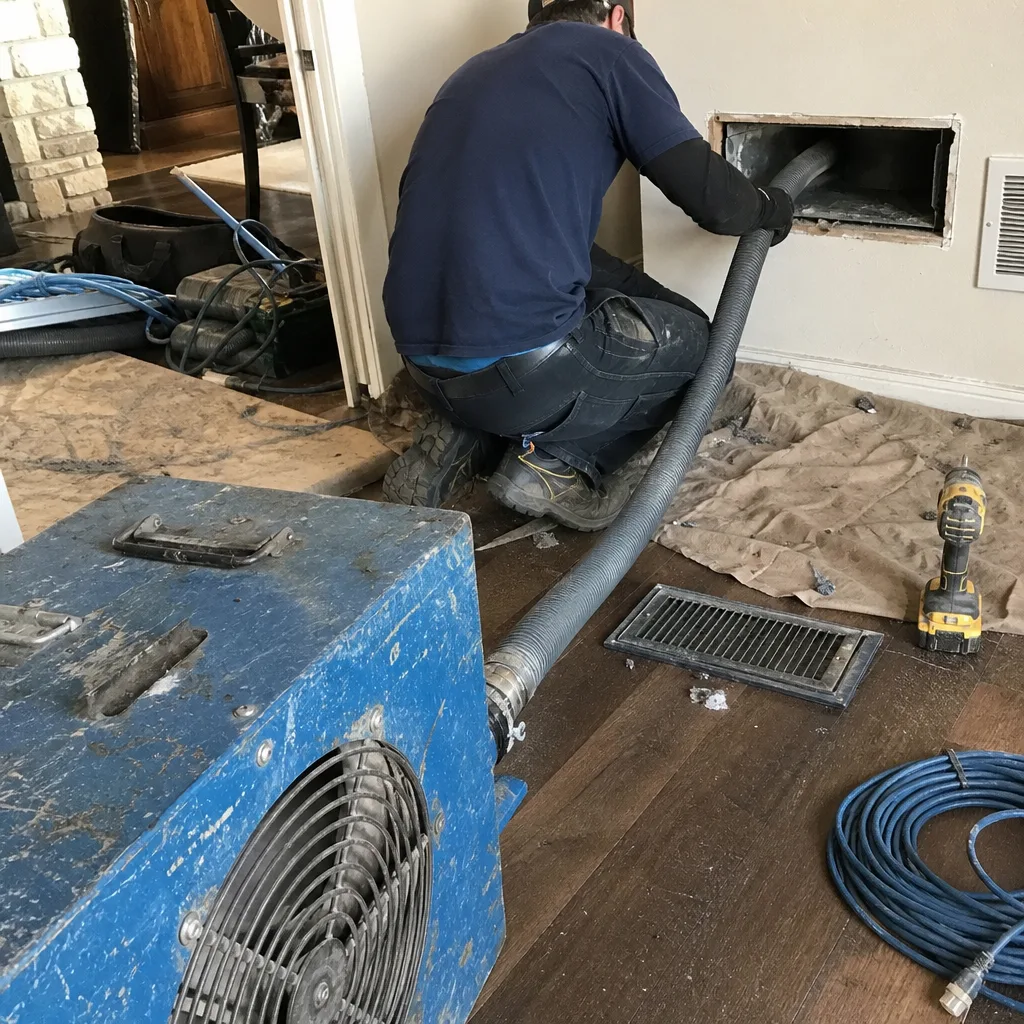 Before
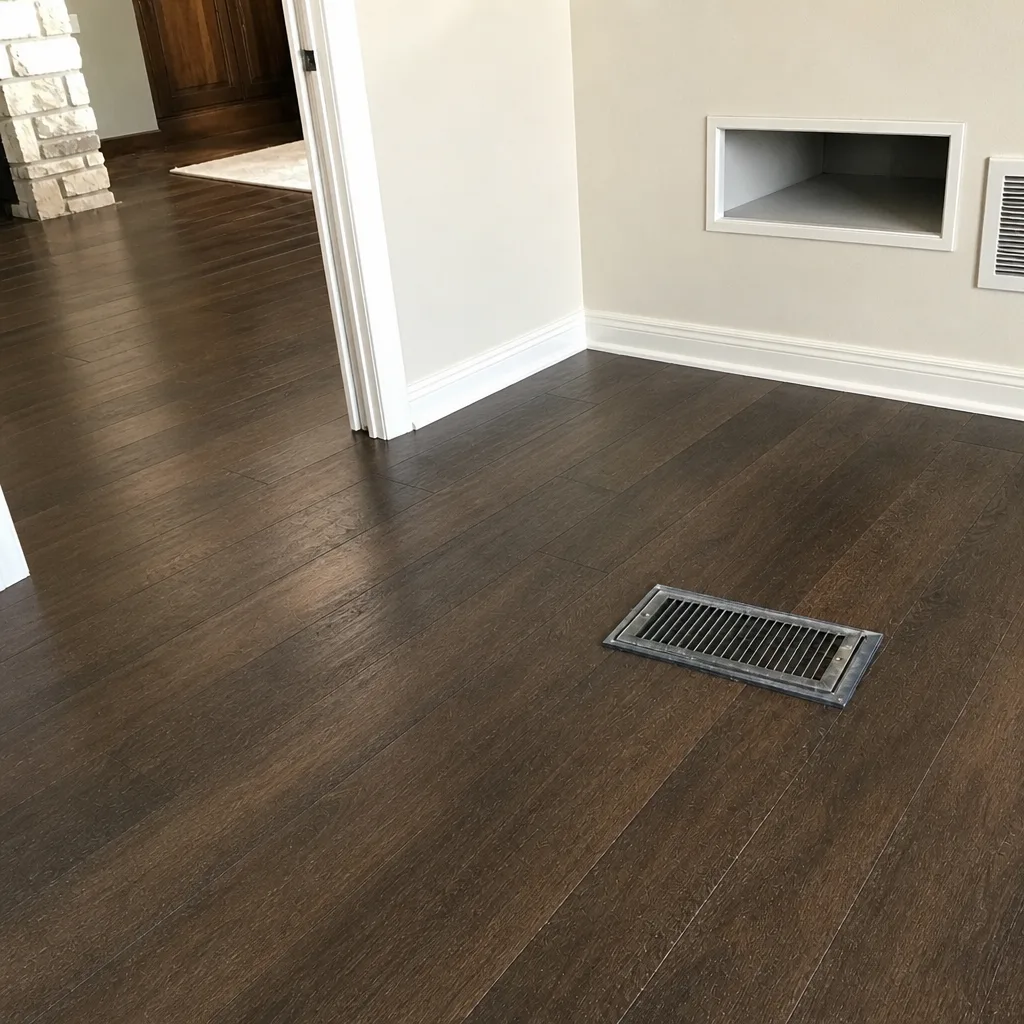 After
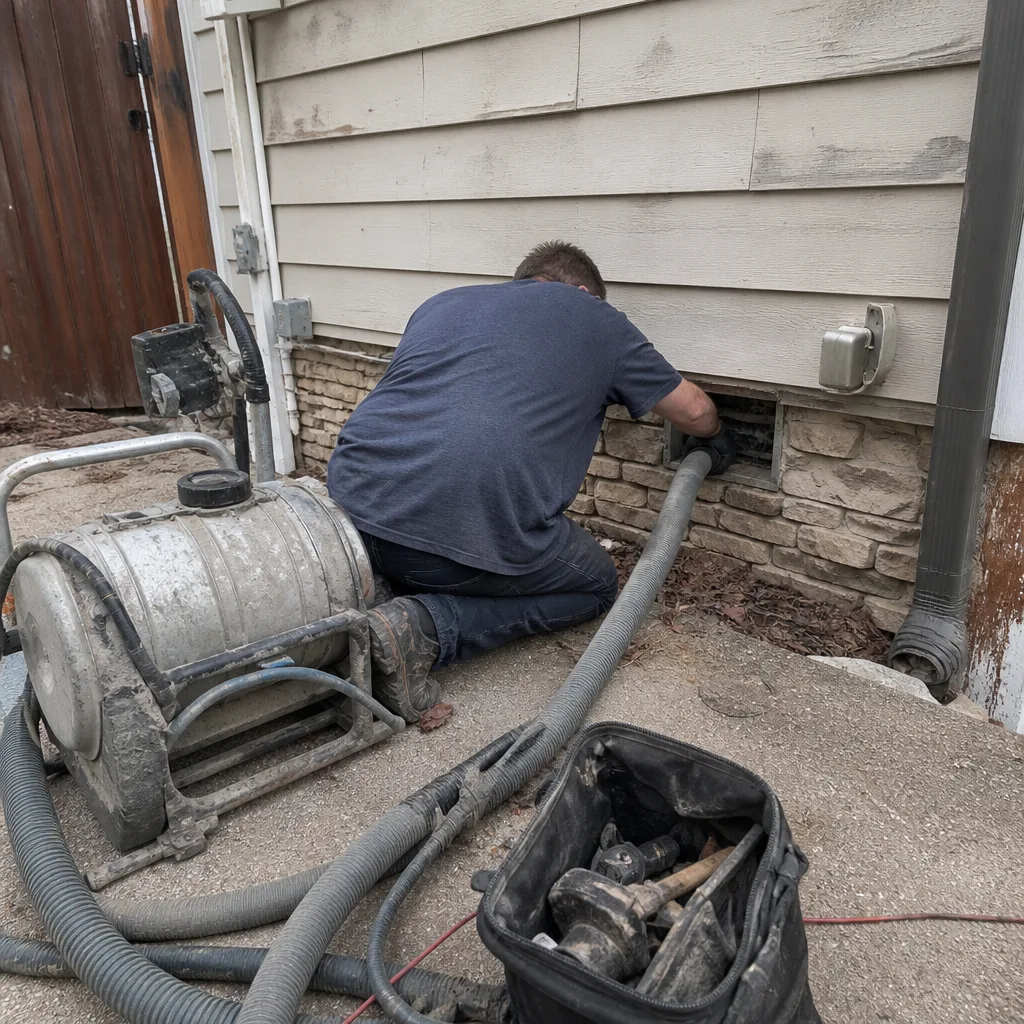 Before
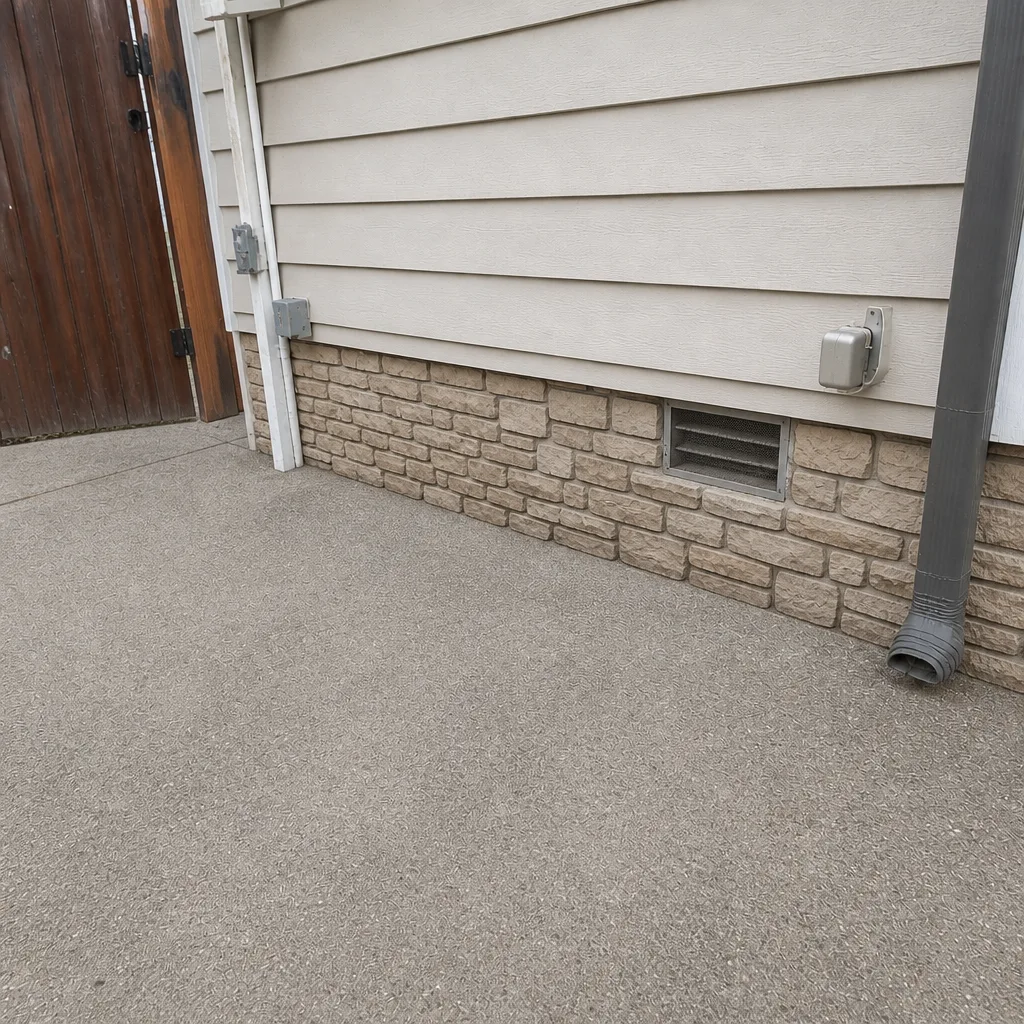 After
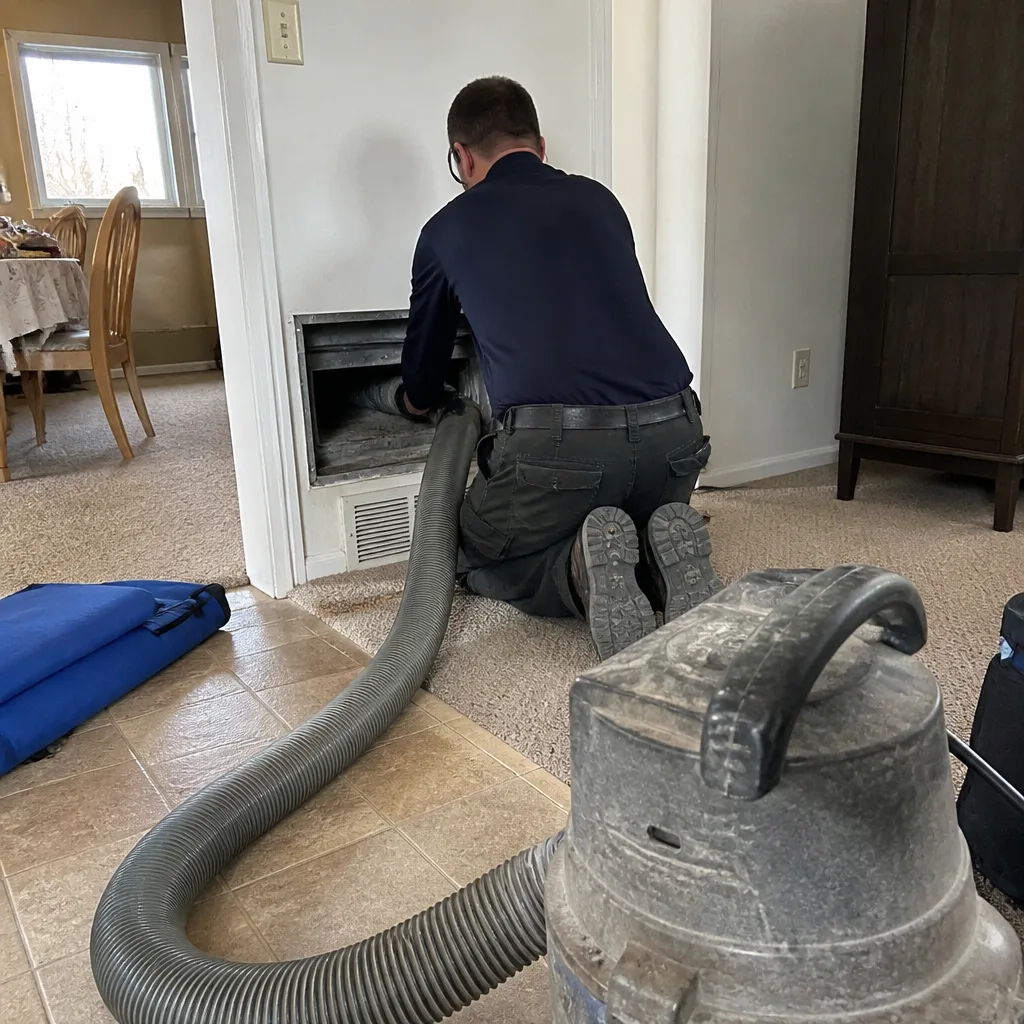 Before
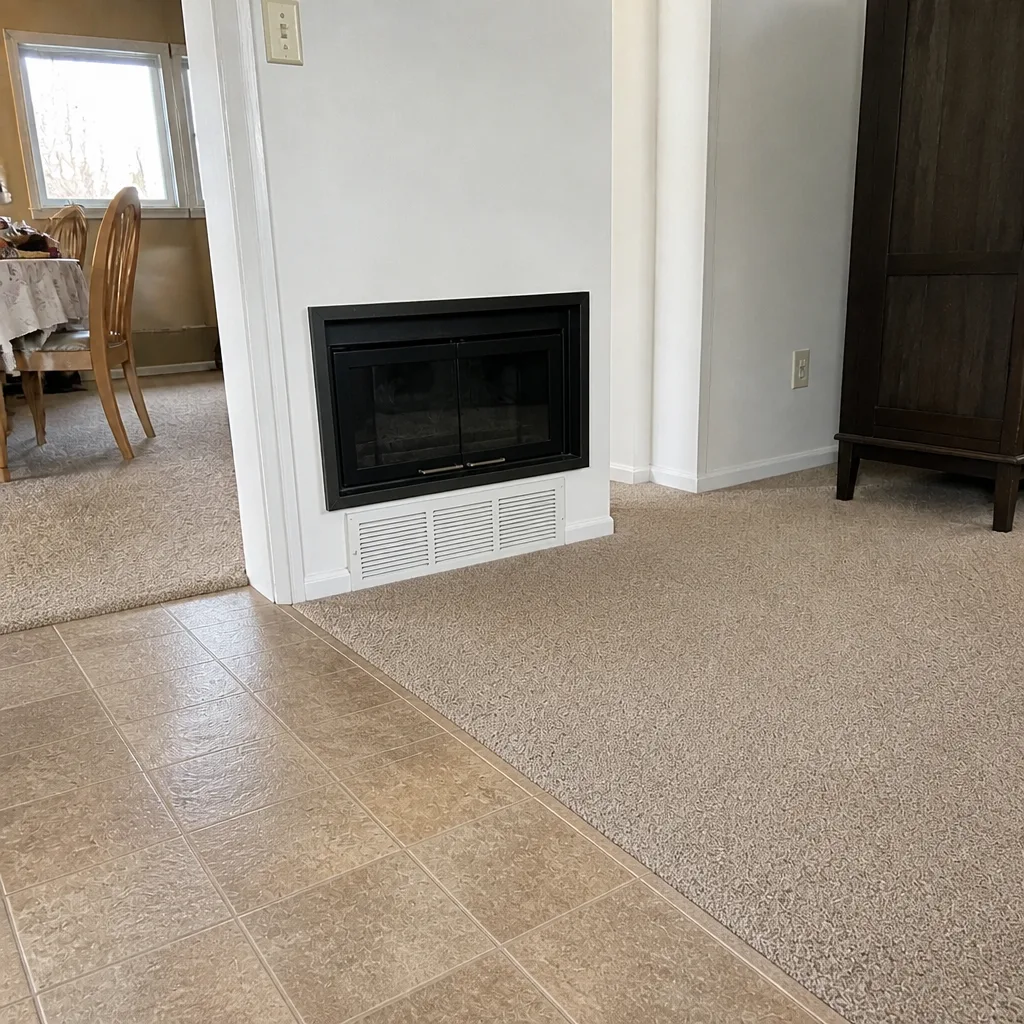 After
Common Mistakes to Avoid
- Cleaning before diagnosing. A cleaning on a system with a detached duct sends air into your wall cavity instead of your rooms. Find the leaks first, repair the system, then clean.
- Choosing a filter by price tag alone. A system can be restricted by a filter grade that’s too high for the blower, and a system with a filter that’s too low for smoke season loads up fast. Match the filter to the equipment, not the shelf price.
- Assuming dust means contamination. In Boulder’s dry air, static and low humidity make regular household dust stay airborne longer. Check humidity before ordering a cleaning.
- Skipping the dryer vent. Many homeowners assume the dryer is old or the load is too big. A clogged vent explains both symptoms and is a fire hazard. Get it checked.
- Signing a per-vent cleaning quote. Per-register pricing rewards a company for finding more registers, not for cleaning the whole system. Ask for a flat price agreed before work starts.
- Looking only at the registers. The return side and the branch runs carry most of the contamination. A register-only check misses the parts that matter.
- Ignoring the humidity. A home at very low indoor humidity will always feel dustier than it is. Bringing humidity into a normal range often changes how the home feels before any duct work happens.
When to Call a Professional
Call a professional if you’ve found a gap or a torn liner at a register, if the airflow tissue test fails at several registers, or if a burnt or metallic odor appears while the system is running. Call sooner if you see visible mold or wet material in a duct run, since that’s a moisture problem that needs to be addressed at the source. A professional is also the right call when the system has never been cleaned and you’ve just completed a renovation, had a pest issue, or moved into a home whose ductwork you don’t know. If you’ve narrowed the symptoms to a genuinely dirty system and no repair flags, a full-system clean is the right intervention.
Boulder Air Duct Cleaning Co offers free estimates in Boulder – call (866) 328-8803. We answer 24/7. Fast dispatch from 7am to 7pm, Sunday through Friday. We’ll check the system before quoting anything, and the written estimate sets the price before work begins.
Frequently Asked Questions
The price is set per job by a written estimate after we’ve seen the system, and it depends on the number of runs, the size of the system, and whether any repair work is needed. We don’t quote per-register prices, and we don’t offer a teaser coupon that grows into a bigger invoice once a technician is on site. Call (866) 328-8803 for an exact quote – estimates are free.
A very low quote usually means a per-register price for a register-only job, or a crew without equipment capable of cleaning the branch runs and return side. It’s often not a full-system clean at all. Ask exactly what’s included, and ask whether you’ll get before-and-after photos of your own ducts so you can see the work. Call (866) 328-8803 – we’ll walk you through what a whole-system clean actually covers.
Before-and-after photos of your own duct system, not stock images, are the honest way to verify it. You should also see the equipment and understand what was cleaned: the supply side, the return side, the branch runs, and the boots. If a company can’t show you their work in photos, don’t sign the invoice. Call (866) 328-8803 if you want a quote that names the equipment and the scope up front.
Air duct cleaning is not a fixed-interval service in the way an oil change is. There’s no universal annual schedule. It’s driven by conditions: a renovation, a pest issue, visible contamination at the registers, a musty smell, or persistent allergy symptoms in the home. In Boulder, the smoke season can push the timetable for some homes. The right answer is to inspect and decide based on what’s actually in your system. Call (866) 328-8803 for a free estimate if you’re deciding.
Often it’s not the ducts at all, and it’s worth ruling out both low indoor humidity and a clogged filter before ordering any cleaning. Boulder’s dry air keeps dust airborne longer, and a filter past due mimics a dirty duct. A professional can check both in a single visit. Call (866) 328-8803 for a free estimate.
Yes, if the smoke actually made it into the system, and a diagnostic visit will tell you whether it did. Smoke particles settle on the return side first. If the filtration in your home wasn’t up to the load during the smoke event, cleaning plus a filter upgrade is often the right combination. Call (866) 328-8803 for a free estimate focused on what the system actually looks like.
The Bottom Line
Most air duct complaints in Boulder come down to a clean, a repair, or an HVAC issue, and the diagnosis matters more than the cleaning. Dirty ducts and damaged ducts produce the same symptom, and only airflow checks and a register-level look separate them. The smells in your home tell you as much as the dust on the registers – musty means moisture, metallic and burnt mean the equipment needs a look. Boulder’s dry air and smoke seasons create false patterns that look like duct problems. Get the diagnosis right first. Clean, repair, and seal in that order. Ours is a whole-system view: ducts, dryer vents, HVAC, sealing, and air quality under one roof, backed by professional-grade Rotobrush and Nikro equipment. Call (866) 328-8803 for a free estimate. We answer 24/7. Fast dispatch from 7am to 7pm, Sunday through Friday.
For a full view of the services that address everything covered in this guide, start with Boulder Air Duct Cleaning Co and our air duct cleaning, HVAC cleaning, and dryer vent cleaning pages.
Written by the team at Boulder Air Duct Cleaning Co.