
Last updated November 23, 2026
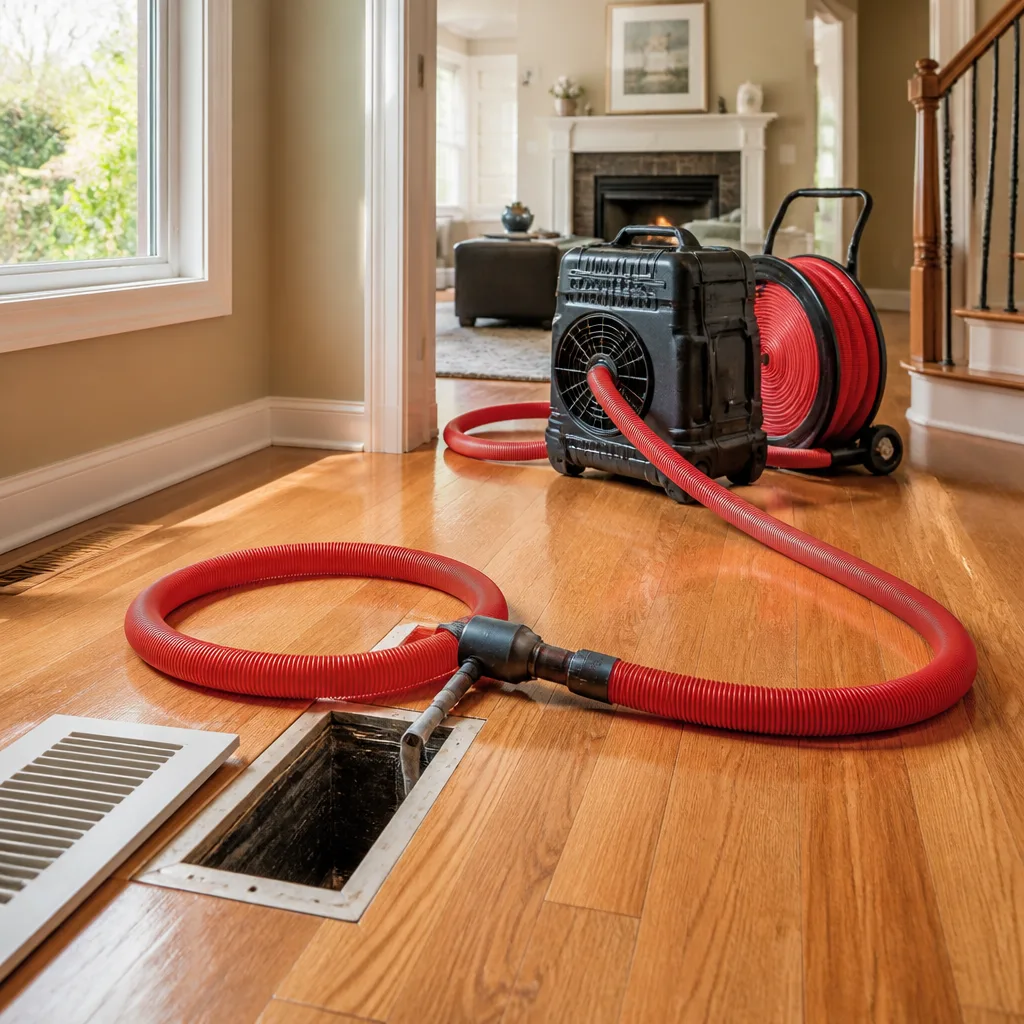 Whole-home duct cleaning
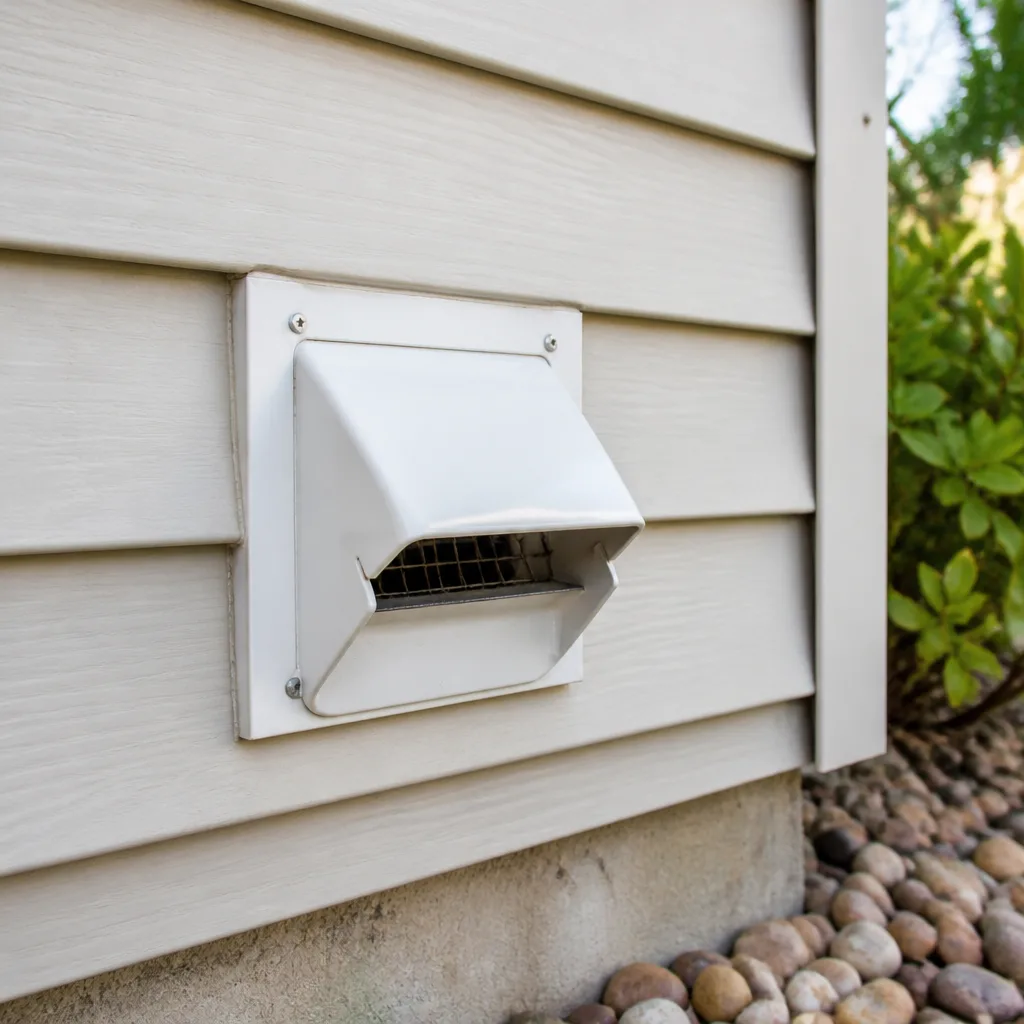 Dryer vent cleaning
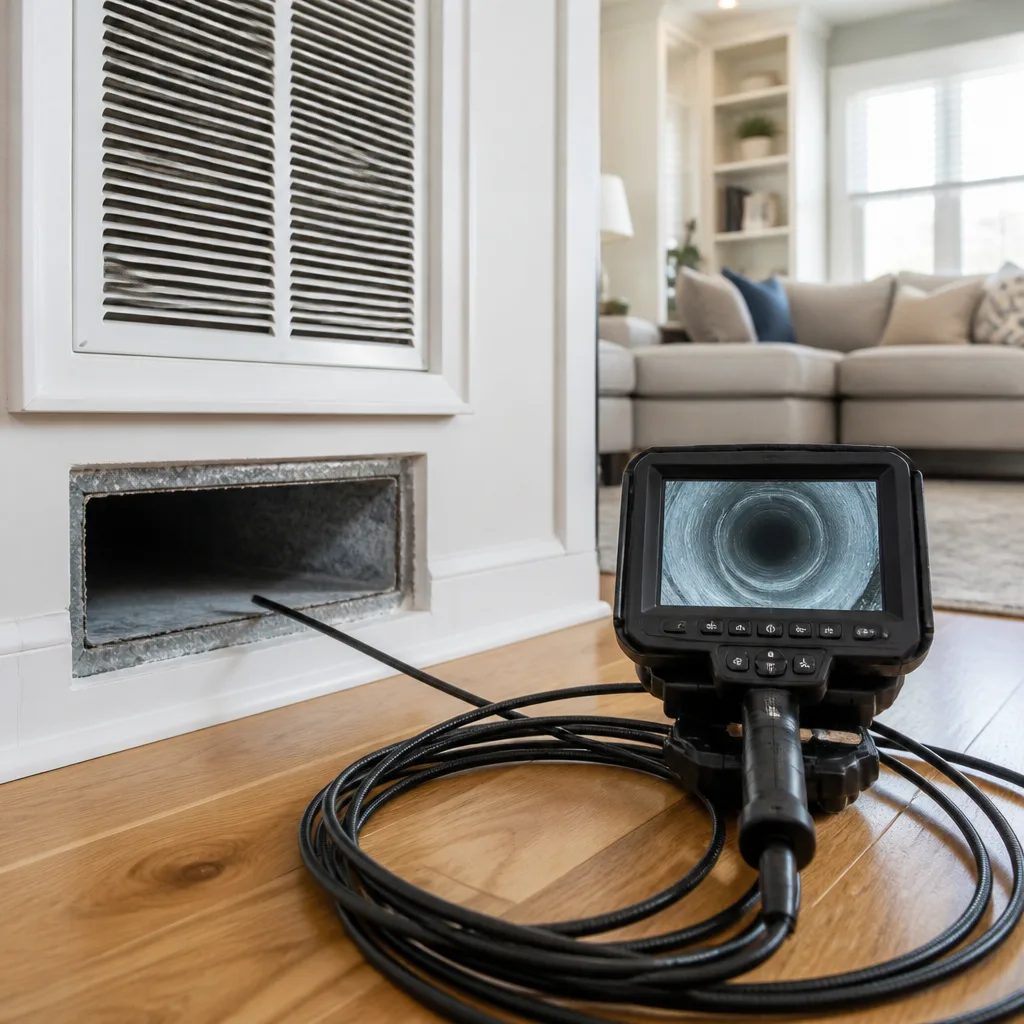 Camera inspection
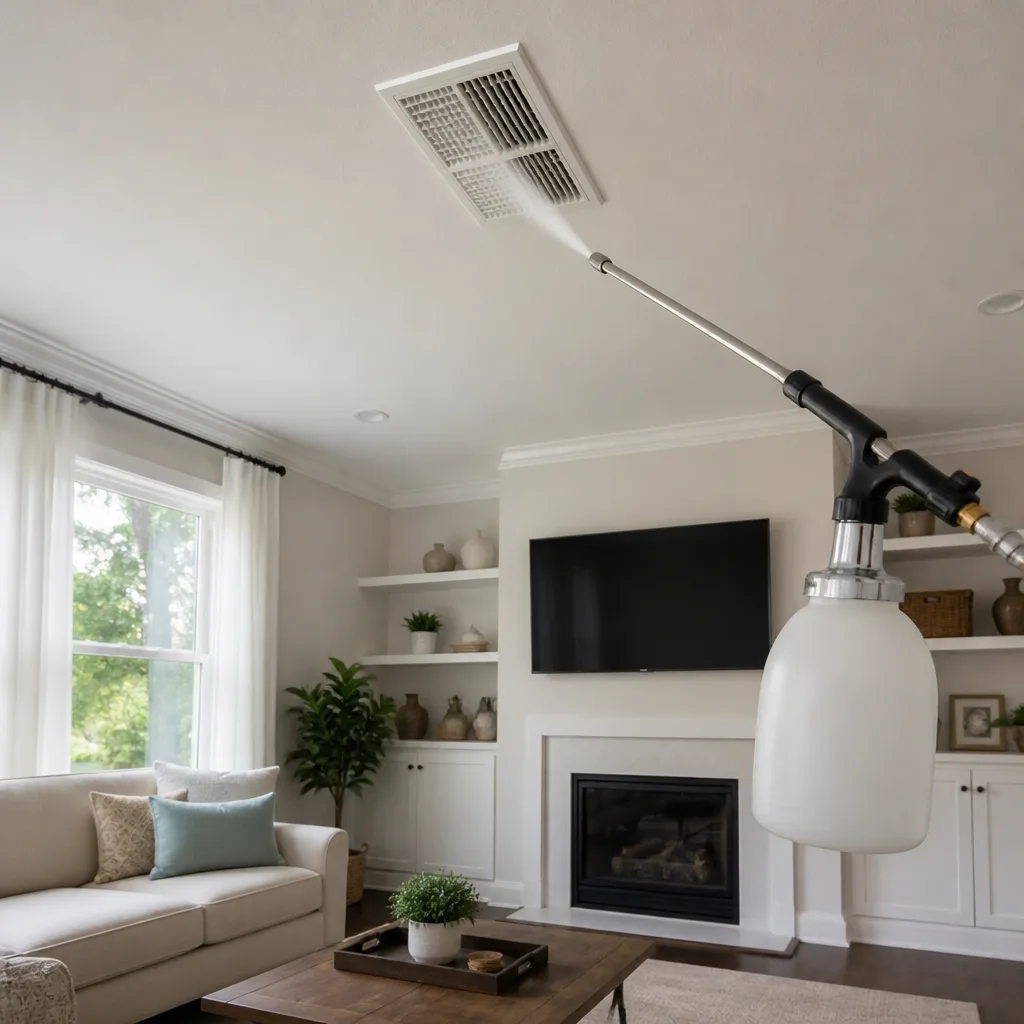 Sanitizing & deodorizing
Whole-system duct and dryer vent check with before-and-after photos - you see exactly what came out of your vents
That "$99 whole-house special" is a bait ad - the real number appears once they are in your hallway, or the "clean" is a shop-vac at the register. We photograph the inside of your ducts before and after instead.
Air Duct Cleaning Permits, Codes & Inspections in Boulder, CO: What You Need to Know
Here’s the part most Boulder homeowners don’t expect: a cleaning visit can quietly cross into regulated construction work. If a technician opens up a return and finds a crushed flex run or a joint that’s been taped three times over, replacing that section may need a mechanical permit under Boulder County building codes – and that detail rarely shows up on a cleaning invoice. Cleaning itself is maintenance. Repairing, sealing, or altering the system can be something else entirely. This guide draws the line clearly, so you know where maintenance ends, where permitting begins, and how to protect yourself at resale. We’ll cover Colorado’s mechanical code thresholds, City of Boulder and Boulder County permit rules, aerosol sealant disclosure, HOA considerations, and how to verify a contractor pulled the right permits.
Quick Answer
Routine air duct cleaning in Boulder does not require a permit. Duct repair, duct sealing with rigid materials, and any modification that changes the system’s layout, capacity, or connections to HVAC equipment typically fall under Colorado’s mechanical code and may require a mechanical permit from the City of Boulder or Boulder County. Before signing off on repair work, ask the contractor directly whether the scope requires a permit and who is pulling it.
Styles & brands we work with
- Whole-home duct cleaning
- Dryer vent cleaning
- Camera inspection
- Sanitizing & deodorizing
Table of Contents
- Cleaning vs. Modification: Where Colorado’s Mechanical Code Draws the Line
- Boulder County and City of Boulder Permit Requirements for Duct Work
- Aerosol Duct Sealant: Disclosure, Inspection, and the Gray Zone
- How to Verify a Contractor Is Pulling Permits
- What an Inspection Actually Covers
- Why Permits Matter at Resale in Boulder
- HOA and Historic District Considerations in Boulder Neighborhoods
- How Boulder’s Climate and Housing Stock Affect Duct Work
Cleaning vs. Modification: Where Colorado’s Mechanical Code Draws the Line
Colorado adopts the International Mechanical Code at the state level, and Boulder County and the City of Boulder layer their own amendments and administrative procedures on top. You don’t need to memorize the code book, but you do need to understand the basic split: maintenance is work that returns a system to its original condition, and modification is work that changes it.
Cleaning is maintenance. So is replacing a filter, swapping a grille with an identical one, or re-securing a loose register boot. None of that changes the system’s design, capacity, or how it connects to the furnace or air handler.
Modification is where permits enter the picture. Under the mechanical code framework Boulder uses, these are typically treated as regulated scope:
- Replacing a section of duct run – swapping a collapsed flex run for new duct, even a short section
- Adding or removing a supply or return – a new register in a finished basement, for example
- Sealing with rigid materials – mastic and mesh applied to accessible joints is often treated as maintenance, but large-scale duct reconstruction is not
- Changing the duct system’s layout – rerouting a trunk line, resizing a branch, reconnecting to a different plenum location
- Alterations that affect combustion air or exhaust – any change to how a gas appliance vents or draws air
Here’s the practical takeaway: if the technician is doing something a homeowner could reasonably describe as “putting it back the way it was,” you’re almost certainly in maintenance territory. If the work changes the shape, size, routing, or quantity of ductwork, ask about permits before the work starts. When our technicians find damaged duct during an air duct cleaning visit, we flag it and explain what it is – cleaning or repair – so you can decide with full information.
Why the Line Isn’t Always Obvious
Cleaning and repair blend together on a real job. A technician runs a rotary brush down a branch and discovers the duct is torn at a joint from years of attic heat cycling. Cleaning that branch is maintenance. Replacing it isn’t. Most homeowners would never think to ask about a permit on a job that started as a cleaning, and most cleaning invoices won’t mention it. That’s the gap this guide exists to close.
Boulder County and City of Boulder Permit Requirements for Duct Work
Boulder has two permitting authorities with overlapping jurisdiction. If your home is inside city limits, the City of Boulder’s Planning and Development Services handles mechanical permits. If you’re in unincorporated Boulder County – neighborhoods like Gunbarrel, Niwot, or the mountain parcels west of town – Boulder County’s Community Planning and Permitting department is the authority. Get clear on which one applies to your address before you assume a permit isn’t needed, because assuming wrong is the most common way homeowners end up with unpermitted work in their house.
For duct-specific work, the typical permit scenario looks like this:
- Confirm the scope. Duct cleaning alone: no permit. Duct repair on an existing run without changing its size or location: often treated as a minor repair, but confirm with the authority. Duct replacement, added runs, or rerouted trunk lines: mechanical permit almost always required.
- Ask who pulls the permit. In Colorado, a licensed mechanical contractor typically pulls the permit on the homeowner’s behalf. If the contractor can’t or won’t, that’s a signal about their licensing status.
- Get the permit number before work starts. It’s a public record. A legitimate contractor will give it to you without hesitation.
- Schedule the inspection. Duct work that required a permit typically requires an inspection before it’s closed out. Don’t let a contractor tell you the inspection “isn’t necessary” or “won’t be checked.”
What About Air Sealing Specifically?
Mechanical air sealing of accessible duct joints – the kind you can reach, with mastic and mesh – is often treated as maintenance. Spray foam on duct connections in an attic or crawlspace sits closer to the line, and larger-scale sealing across a whole system’s accessible joints may trigger a permit depending on how the local authority reads the scope. When in doubt, call the Boulder permit desk and describe the work. They answer questions like this all day, and a two-minute call is cheaper than discovering a problem at resale.
Homes with Historic or Landmark Status
Boulder has a significant inventory of older homes, and some are in historic districts or carry landmark designation. If a duct modification involves cutting new penetrations through exterior walls or altering visible systems in a designated structure, additional review from the city’s historic preservation staff may apply on top of the mechanical permit. This is routine but slow, so plan for it. Any homeowner in a designated property should ask the contractor whether they’ve worked in historic properties in Boulder before, because the approval steps are not the same as for a modern build.
Aerosol Duct Sealant: Disclosure, Inspection, and the Gray Zone
Aerosol-applied duct sealant – the process where a fine mist is blown through the duct system to seal leaks from the inside – is one of the most effective ways to seal ductwork you can’t reach. It’s also one of the least understood corners of the code. The honest answer is that whether it needs a permit depends on scope and jurisdiction, and homeowners should treat it as work requiring a conversation with the permitting authority rather than work to assume is exempt.
Here’s what we tell people who ask. Aerosol sealant is not cleaning. It’s a modification of the duct system’s airtightness, which affects how the system performs as a whole. Some jurisdictions treat a standalone aerosol sealant application as a mechanical alteration requiring a permit and inspection. Others treat it as maintenance when it’s incidental to a larger mechanical project that’s already permitted. Boulder’s answer will depend on how the scope is submitted – and the homeowner, not the contractor, is the one left holding the risk if a permit was required and never pulled.
What You Should Ask Before Any Aerosol Sealant Job
- Does this application require a permit for my address? Ask the contractor to state their answer in writing, and cross-check with the Boulder permit desk if it matters to you.
- Are there occupants with asthma, COPD, or chemical sensitivities? Aerosol sealant involves the introduction of a sealing product into the air pathway during the process. Sensitive occupants should be out of the home during application and for the recommended clearing period, whatever the contractor specifies.
- Is the duct system clean first? Sealing over debris traps it in place. Cleaning must come before sealing, not after. This is a quality issue, not a regulatory one, but it matters more than most homeowners realize.
- What documentation will I receive? A permit inspection report, if a permit was pulled, is the strongest proof. A written confirmation of scope and product is better than nothing.
Our approach for duct sealing work is straightforward: we describe the scope, we tell you whether it looks like regulated work, and we point you toward the Boulder authority to confirm. We’d rather you ask the question and get a clear answer than discover a compliance problem when you’re ready to sell.
How to Verify a Contractor Is Pulling Permits
Verification takes about five minutes and it’s the single most protective thing a Boulder homeowner can do before duct repair work begins. You don’t need to understand the code – you just need to confirm the paperwork exists.
- Ask for the permit number in writing. Any legitimate contractor will have it when the work is scheduled and can send it in a text or email before the job starts.
- Look it up. Both the City of Boulder and Boulder County publish permit search tools online. Type in the number and your address. If the permit doesn’t exist, that’s your answer.
- Confirm the scope on the permit matches the scope you agreed to. A permit for “mechanical alteration” that lists a different type of work than what’s actually being done is a red flag.
- Ask whether an inspection is scheduled. Duct modifications that required a permit typically need to be inspected before the permit is closed out. Confirm this will happen.
- Keep a copy of everything. The permit number, the inspection report, and the final invoice go in a folder you keep with your home records. You’ll want them at resale.
Red Flags in a Contractor’s Answer
- Vague answers like “you don’t need a permit for this” without being able to explain why
- Suggesting that pulling a permit will slow the job down unacceptably
- Offering a lower price if you skip the permit
- Unwillingness to put the permit number in writing
- Claiming they’re “exempt” from permits without being able to cite the exemption
None of these answers are automatically dishonest, but they all deserve a follow-up question. The homeowner has the right to ask, and a good contractor expects it.
What an Inspection Actually Covers
An inspection for permitted duct work is not a quality audit of the whole HVAC system. It’s a code-compliance check on the specific scope the permit covers, which means the inspector verifies that the work as built matches the permit and meets the code requirements for materials, connections, supports, and clearances. It doesn’t grade how thoroughly the ducts were cleaned, and it doesn’t test the system’s performance in a lab sense.
What the inspection typically reviews, for permitted duct modifications:
- Materials meet code. Duct materials, sealing materials, and connection methods all need to meet the mechanical code’s requirements for the application.
- Connections are secure. Joints and terminations are properly connected and sealed according to the required standard for that duct class.
- Support and clearance. Ductwork is supported at required intervals and has the required clearance from combustibles and other building systems.
- Combustion air is unaffected. If the work touched a system adjacent to gas appliances, combustion air and venting must remain proper.
- Energy code compliance, where applicable. Boulder has energy code requirements that affect duct sealing and insulation in certain applications.
If an inspection fails, the contractor is typically required to correct the work and reschedule. The cost of that correction is the contractor’s problem, not the homeowner’s, assuming the contractor pulled the permit correctly. This is another reason to verify permits up front: unpermitted work that fails an inspection later is often the homeowner’s bill to fix.
Why Permits Matter at Resale in Boulder
Boulder’s real estate market rewards careful documentation. When you sell a home, buyers and their inspectors look for evidence that significant work was permitted. Unpermitted duct modifications tend to surface during a buyer’s home inspection, and once they do, they can delay a sale, trigger a price negotiation, or require the seller to pursue a retroactive permit – a process that’s usually slower and more expensive than pulling the permit originally.
Colorado’s seller disclosure requirements make this more serious than it looks. Sellers are typically required to disclose known unpermitted work. A homeowner who learns about unpermitted duct repairs years after the fact is in the awkward position of either disclosing a defect or pretending not to know, and neither option is good. Permits protect against this by making every regulated step a documented one.
In Boulder specifically, older homes in neighborhoods like Mapleton Hill, Whittier, and the University Hill area often have ductwork that’s been modified multiple times over decades. It’s not unusual for a pre-sale inspection to find a run that was added in some previous renovation without a permit. That’s not necessarily a disaster, but it’s the kind of thing that shows up at the worst possible time. Clean documentation – including the permit history of every duct repair – saves you the conversation.
HOA and Historic District Considerations in Boulder Neighborhoods
Boulder’s HOA landscape is uneven. Some neighborhoods have active HOAs that govern exterior modifications and any new penetrations to the building envelope; others have none at all. If your home is in an HOA, know the rules before duct work starts – especially if the work touches the roof, the exterior wall, or any shared mechanical system.
Where HOA approval typically comes into play:
- New exterior penetrations. Adding a ducted vent through an exterior wall or roof requires HOA architectural review in many Boulder communities.
- Roof-mounted equipment. Any ductwork routed through the roof or requiring a new roof penetration may need approval from the HOA’s architectural committee.
- Shared systems in attached homes. In townhome or condo configurations with shared mechanical systems, HOA involvement is often required before any duct modification, because it may affect the neighboring unit.
- Historic districts. In Boulder’s designated historic districts, HOA rules may be layered on top of city historic preservation review, and both may need to sign off.
Timing matters here. HOA architectural review is often the slowest part of a project, and it runs in parallel with the permit process, not after it. If you’re planning duct repair work on a home with both HOA and historic district considerations, start both conversations at once rather than sequencing them.
How Boulder’s Climate and Housing Stock Affect Duct Work
Boulder’s climate is hard on ductwork. Freeze-thaw cycles across winter stress the mechanical connections between duct sections, and hot, dry summers dry out sealing materials faster than in more humid climates. Homes that have attic or crawlspace duct runs – which is most of the older housing stock in Boulder – see seasonal expansion and contraction that gradually loosens joints and can crush flex duct if it wasn’t properly supported at installation.
Wildfire smoke season has also reshaped what Boulder homeowners ask for. More and more of the work we see involves duct sealing and filtration improvements aimed at keeping smoke out of the air pathway during the summer months. That shift matters for permitting: sealing work intended to improve smoke resistance often edges from “maintenance” into “alteration,” because it can involve material changes to the duct system’s airtightness. The filtration side – Honeywell and Aprilaire-compatible filter upgrades, for example – is usually treated as equipment maintenance, not duct modification, but the two conversations are easy to confuse.
What we’ve seen after a Boulder winter is telling, too. Homes with exterior duct runs and older mastic sealing often show clear joint separation by spring. Re-securing and re-sealing that work is maintenance when it restores the original configuration. Replacing flex with rigid duct, or rerouting a run that was damaged by ice or pest intrusion, crosses into modification territory and should be checked against the permit rules above. Our technicians have up to 9 years of experience working in Front Range homes, and we explain which side of the line a repair sits on before we start.
What Equipment and Method Have to Do With Compliance
Permit compliance is about documentation and scope. Duct cleaning quality is about equipment and method. They’re separate conversations, but the same contractor should be able to speak to both, and a company that doesn’t know the difference between cleaning and modification probably doesn’t belong in your ducts either.
We use Rotobrush and Nikro – professional-grade duct cleaning systems used across the restoration and indoor air quality trades. That matters for cleaning depth, and it also matters for how thoroughly a technician can inspect a duct interior while cleaning it. A rotary brush run through a branch tells the technician what condition the duct is in; that’s how damage gets found, which is how the cleaning-versus-repair question shows up in the first place. For jobs that need contaminant control, we work with Abatement Technologies equipment, which is built for containment rather than basic vacuuming. Our familiarity with HVAC cleaning and the Honeywell and Aprilaire product families means we can look at a system and explain what it’s set up to do and what a legitimate upgrade would involve, rather than guessing.
Two more points that tie back to the permit conversation:
- Repair and sealing under one contractor. When the same company that cleans the ducts can also repair and seal them, the scope conversation is cleaner. You don’t have to explain the damage to a second crew, and you don’t end up with one company saying “the other guy should have pulled the permit.”
- Dryer vent work as fire-safety scope. dryer vent cleaning is its own conversation – it’s not duct modification and it doesn’t typically require a mechanical permit, but it’s a fire-safety service that belongs in the same whole-home ventilation conversation. If your ducts are getting work done, the dryer vent is worth checking.
See the difference
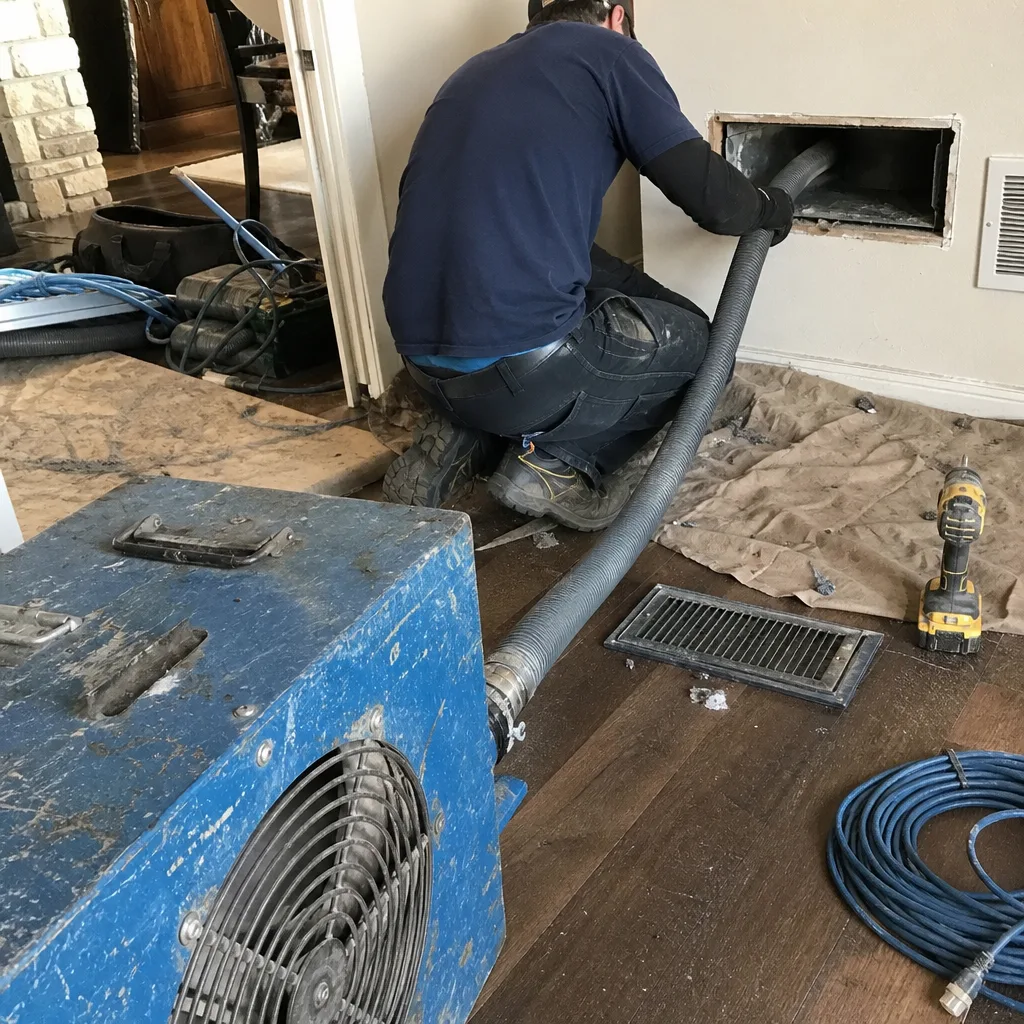 Before
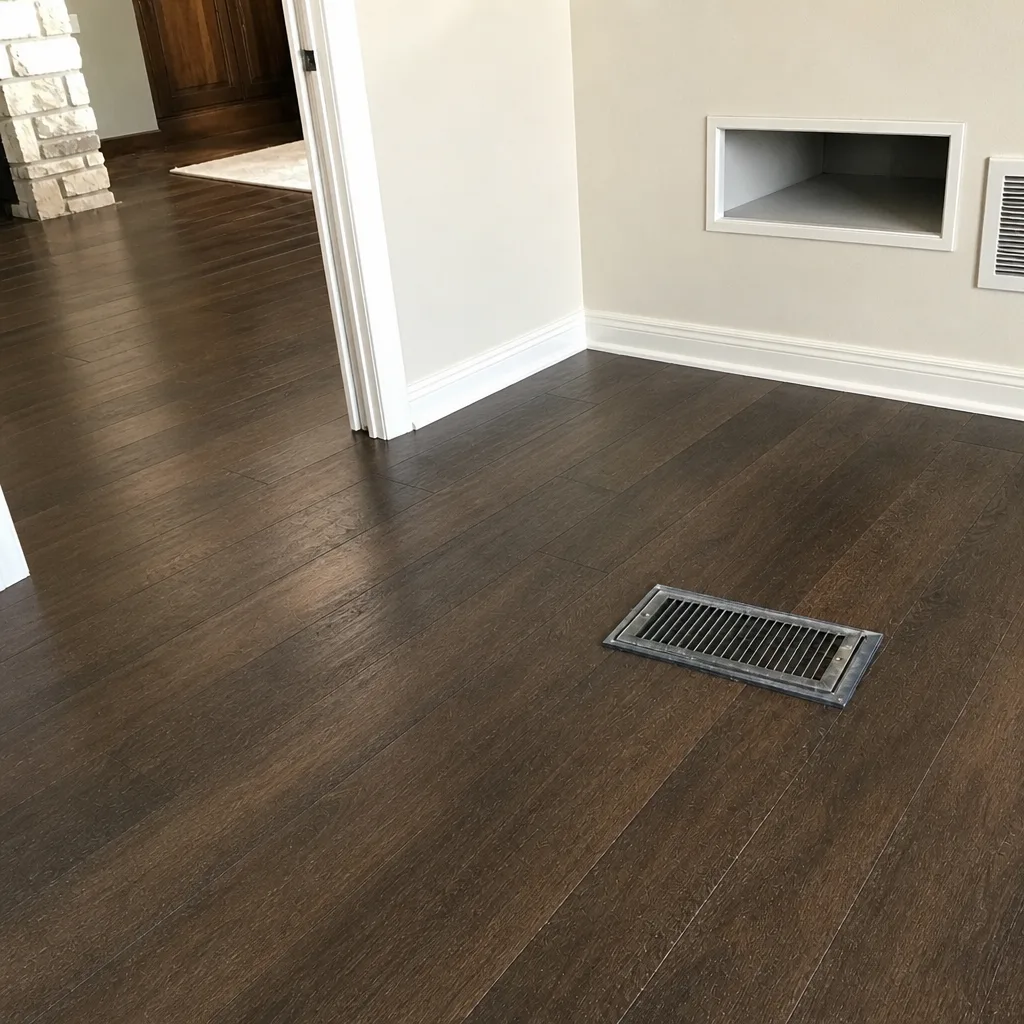 After
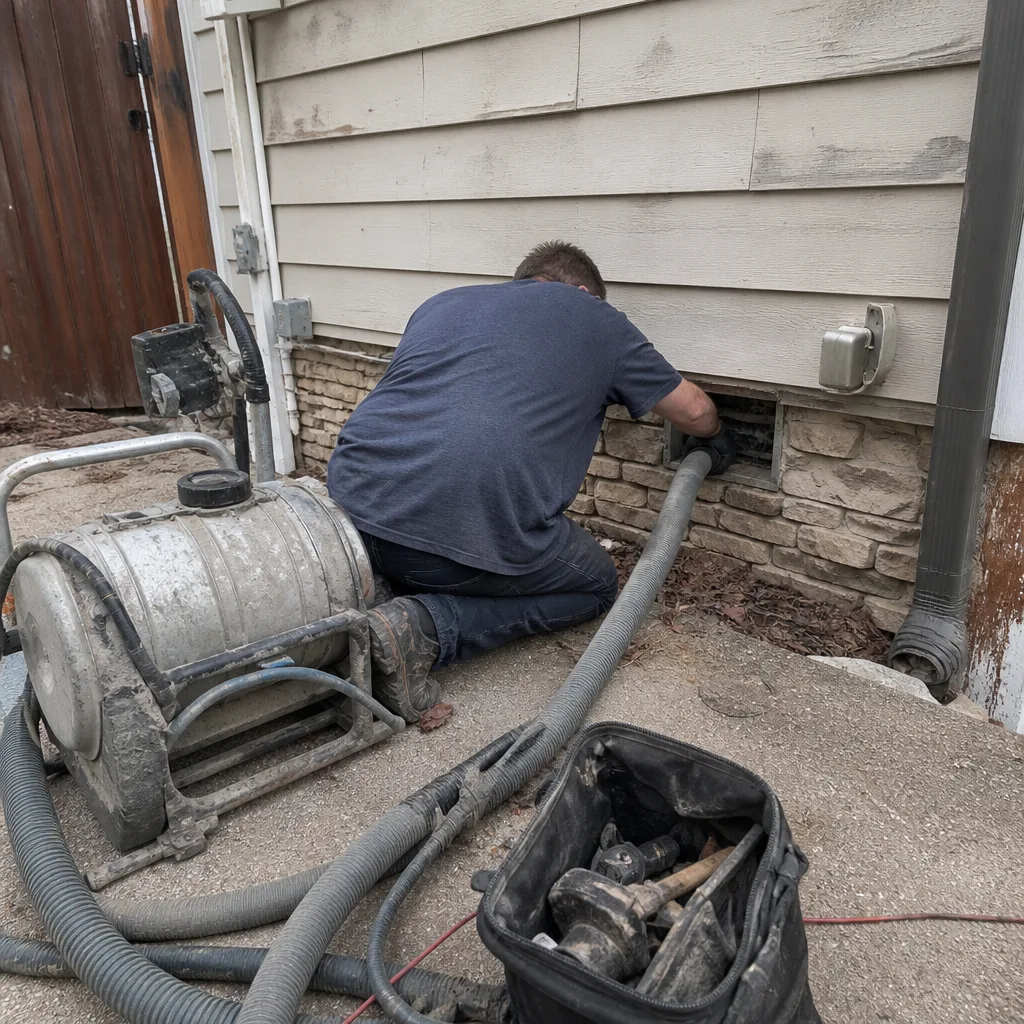 Before
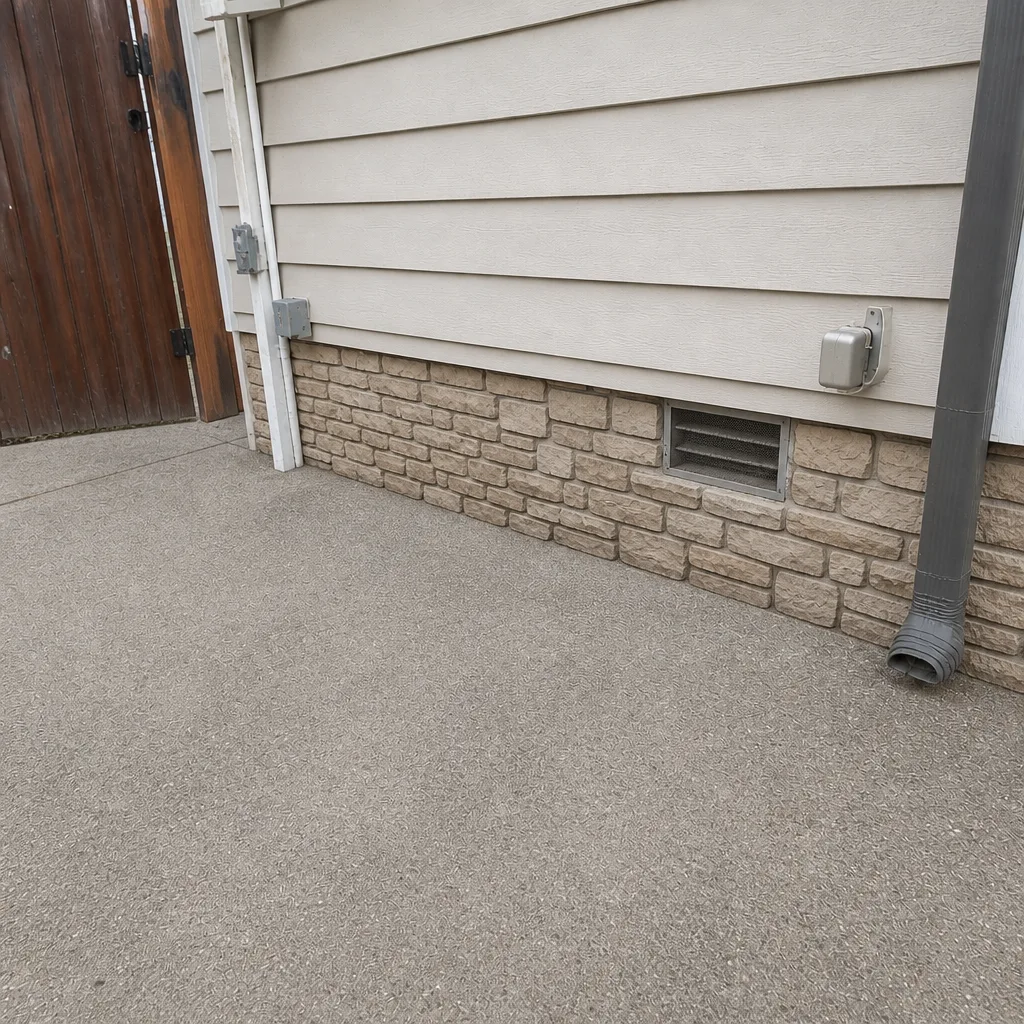 After
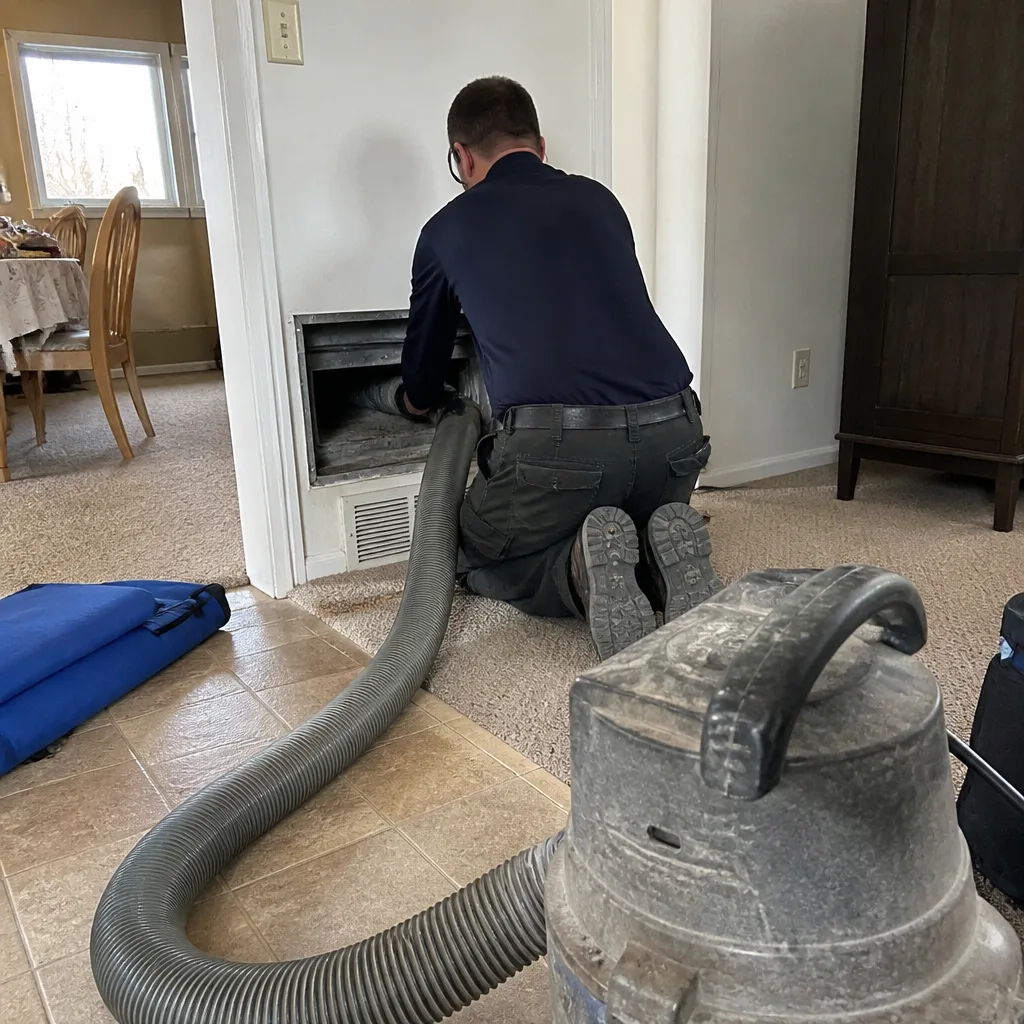 Before
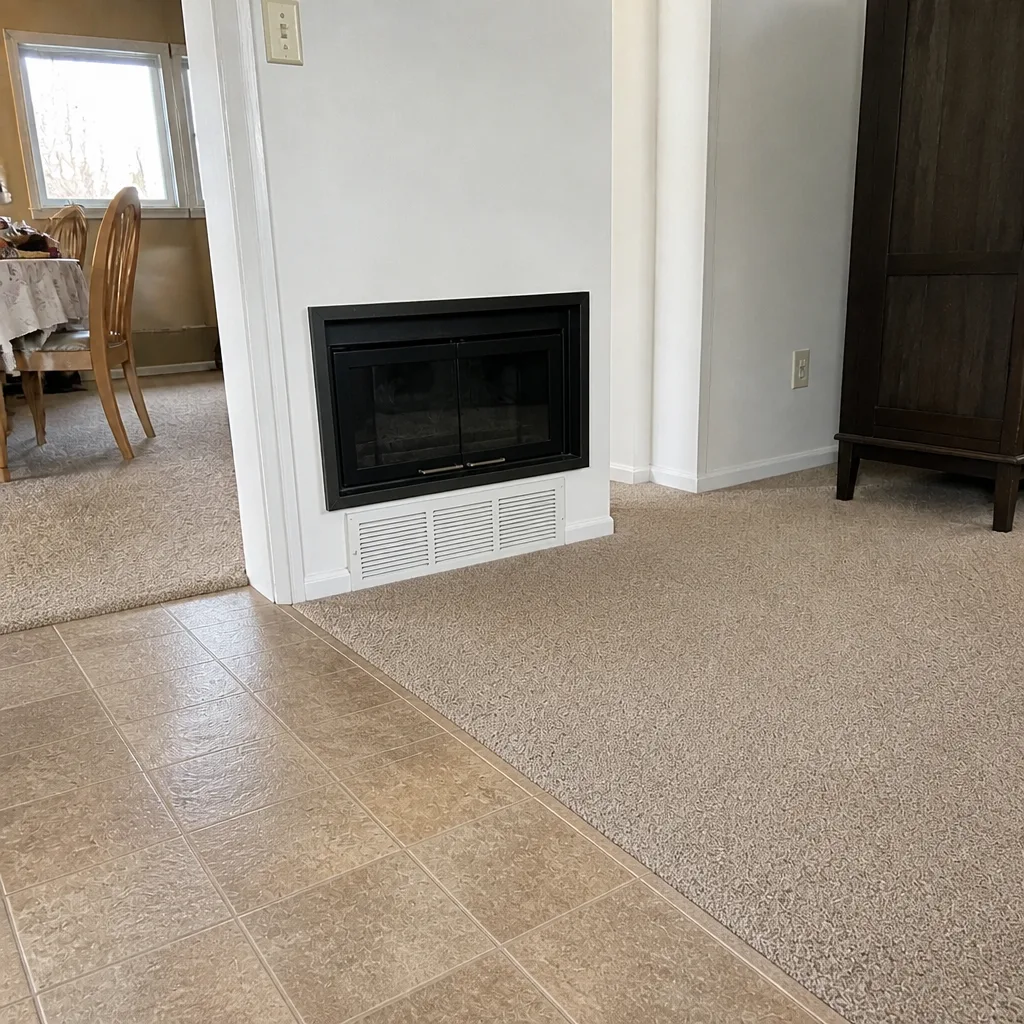 After
Common Mistakes to Avoid
- Assuming all duct work is maintenance. Cleaning is maintenance. Repair, replacement of runs, and layout changes often aren’t. The distinction matters most on the jobs where it’s least obvious.
- Not asking who pulls the permit. Homeowners are allowed to take out permits themselves in many jurisdictions, but on mechanical work the licensed contractor typically does. If the contractor can’t or won’t, ask why before work begins.
- Accepting “you don’t need a permit for this” without a follow-up. That claim is sometimes correct and sometimes expensive to be wrong about. Ask the contractor to explain the specific exemption they’re relying on, or call the Boulder permit desk to confirm.
- Letting the contractor skip the inspection. A permit that was pulled but never inspected doesn’t do the job at resale. Confirm the inspection is scheduled and that the report is closed out.
- Overlooking HOA architectural review. In Boulder neighborhoods with active HOAs, new exterior penetrations can trigger HOA approval on top of the mechanical permit. If you’re in a townhome with shared systems, start that conversation before the duct work is scheduled.
- Booking aerosol sealant without asking about permits. Aerosol duct sealing sits in a gray zone depending on jurisdiction and scope. Ask the contractor to say in writing whether a permit is required for your address, and confirm the answer if it matters to you.
- Treating “sealed the ducts” and “cleaned the ducts” as the same thing. They’re not. Sealing over an unclean system traps debris in place, and it can complicate later inspections if the work was done without documentation.
When to Call a Professional
Call a professional for any duct work that involves replacing sections, adding or rerouting runs, or touching the connection between ductwork and the furnace or air handler. Those are the jobs where permits and inspections come into play, and where a mistake is expensive to fix. Call a professional if you’re seeing dust blowing back out of registers, if a room doesn’t heat or cool the way the rest of the house does, if you’ve had pest intrusion into attic duct runs, or if the system has visible damage after a Boulder hail or wind event. Call a professional before an aerosol sealant job, too – the disclosure conversation needs to happen before the application, not after.
Boulder Air Duct Cleaning Co offers free estimates in Boulder – call (866) 328-8803. We’ll tell you whether the work you’re describing looks like cleaning or repair, and you’ll get a written scope that says exactly what we’ll do. We answer 24/7. Fast dispatch from 7am to 7pm, Sunday through Friday. One flat price per system, agreed in writing before work starts, and photos before and after so you know what was actually done.
Frequently Asked Questions
No. Routine air duct cleaning is maintenance and does not require a permit from the City of Boulder or Boulder County. Permits enter the picture when the work becomes repair, replacement of duct runs, or modification of the system’s layout, connections, or capacity.
It depends on the scope. Small-scale sealing of accessible joints with mastic and mesh is often treated as maintenance, while large-scale sealing across a whole system, and aerosol sealant applications in particular, may require a mechanical permit depending on how Boulder’s permitting authority reads the scope. Call the Boulder permit desk and describe the work before you schedule it, and it pays to get the contractor’s answer in writing.
Ask for the permit number in writing before work begins, then look it up in the City of Boulder or Boulder County permit search tools online. Confirm the scope listed on the permit matches the scope you agreed to, and confirm an inspection is scheduled. A legitimate contractor will provide all of this without hesitation.
It can. Boulder buyers and their inspectors look for documentation on mechanical work, and unpermitted duct modifications can surface during a pre-sale inspection, delaying the sale or triggering a negotiation. Colorado seller disclosure requirements typically obligate you to disclose known unpermitted work, which makes documentation a real advantage at resale.
Possibly. HOAs in Boulder often have architectural review requirements for any new exterior penetrations, roof-mounted equipment, and modifications to shared mechanical systems in attached homes. Historic districts can layer additional review from the city on top of HOA rules, so start both processes early in the project.
An inspection verifies that permitted duct work as built matches the permit and meets code for materials, connections, support, clearances, and combustion air. It’s a compliance check on the specific scope of the permit, not a performance test and not a quality audit of the entire HVAC system.
Yes, but the two should be treated as separate scopes. Cleaning is the maintenance step. Repair – replacing a damaged run, resecuring a joint, resealing an accessible connection – may fall under the permit rules depending on what it involves. Ask the contractor to break out which parts of the work are cleaning and which are repair before the job starts.
Pricing depends on the scope of the repair, the accessibility of the damaged section, and whether a permit is required. Cleaning runs on a per-system basis, and repair is quoted per job. Call (866) 328-8803 for an exact quote – estimates are free, and you’ll get a written scope before any work starts.
The Bottom Line
Air duct cleaning in Boulder is maintenance and doesn’t need a permit. Duct repair, replacement of duct runs, sealant applications of significant scope, and any modification that changes the system’s design or capacity can require a mechanical permit from the City of Boulder or Boulder County, plus an inspection. The line between the two isn’t always obvious to a homeowner, and it’s rarely spelled out on a cleaning invoice. Ask the contractor which parts of the work are cleaning and which are repair, ask for the permit number in writing if any regulated scope is involved, and look it up. Keep the paperwork. The permit history of your ductwork is a document you’ll want at resale, and it’s the difference between a straightforward job and a compliance problem you inherit years later. When our technicians find damage during an air duct cleaning visit – crushed flex, separated joints, pest intrusion – we describe it clearly so you can decide how to proceed, permit conversation included. Call (866) 328-8803 for a free estimate from Boulder Air Duct Cleaning Co. We answer 24/7. Fast dispatch from 7am to 7pm, Sunday through Friday.
Written by the team at Boulder Air Duct Cleaning Co.