
Last updated November 23, 2026
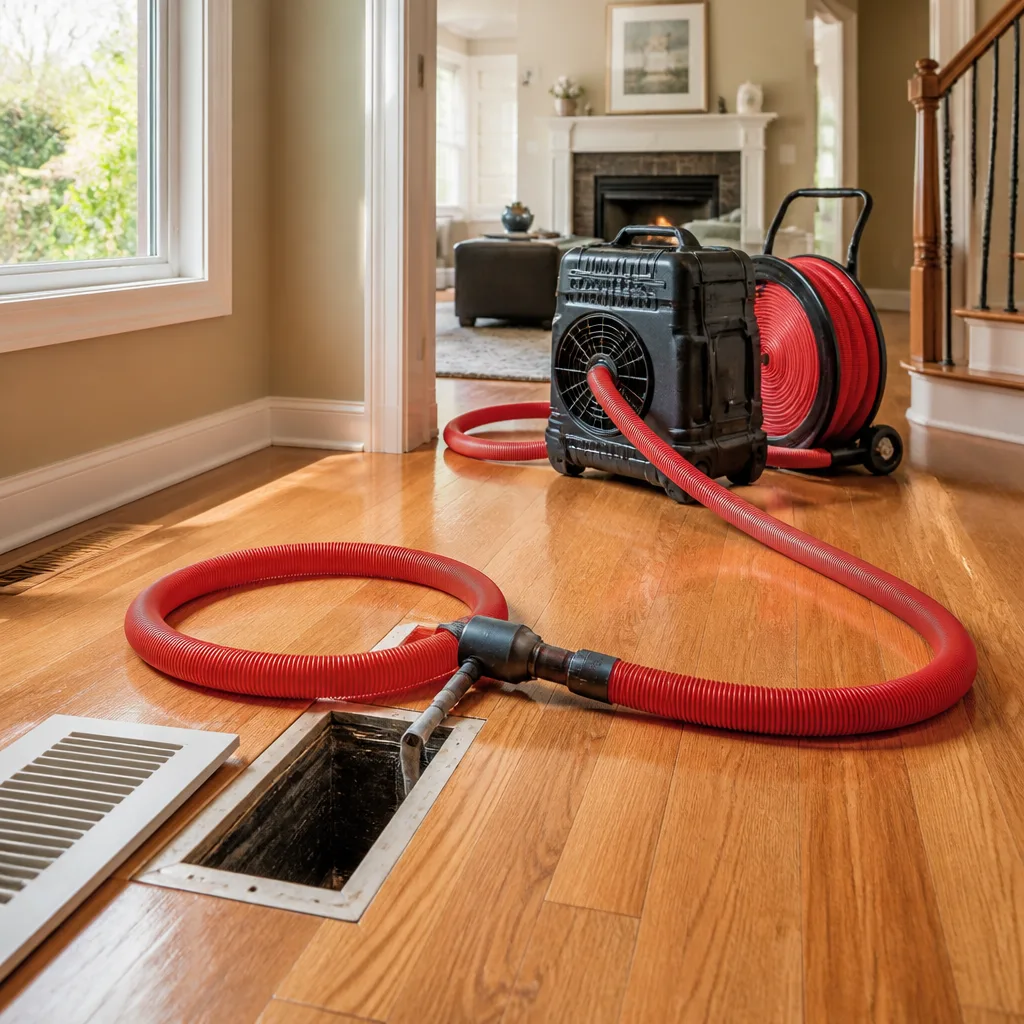 Whole-home duct cleaning
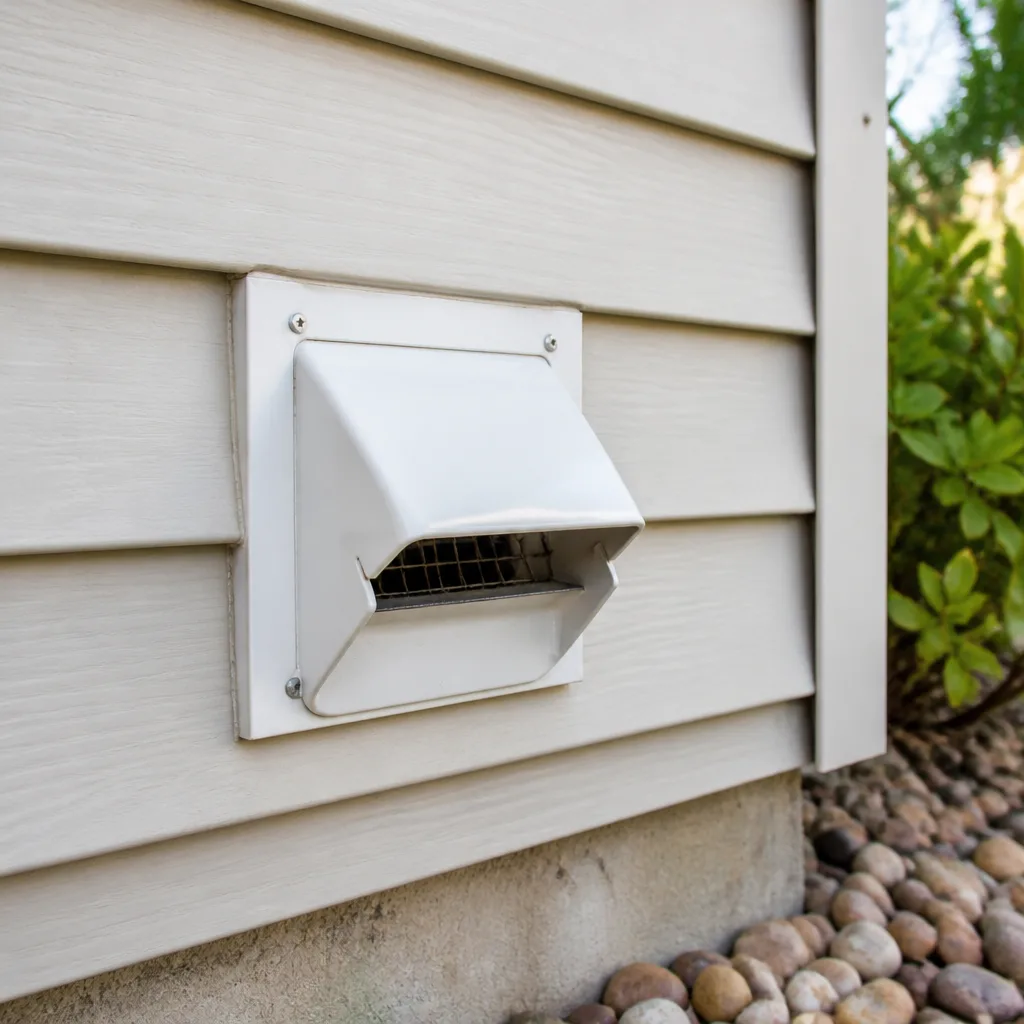 Dryer vent cleaning
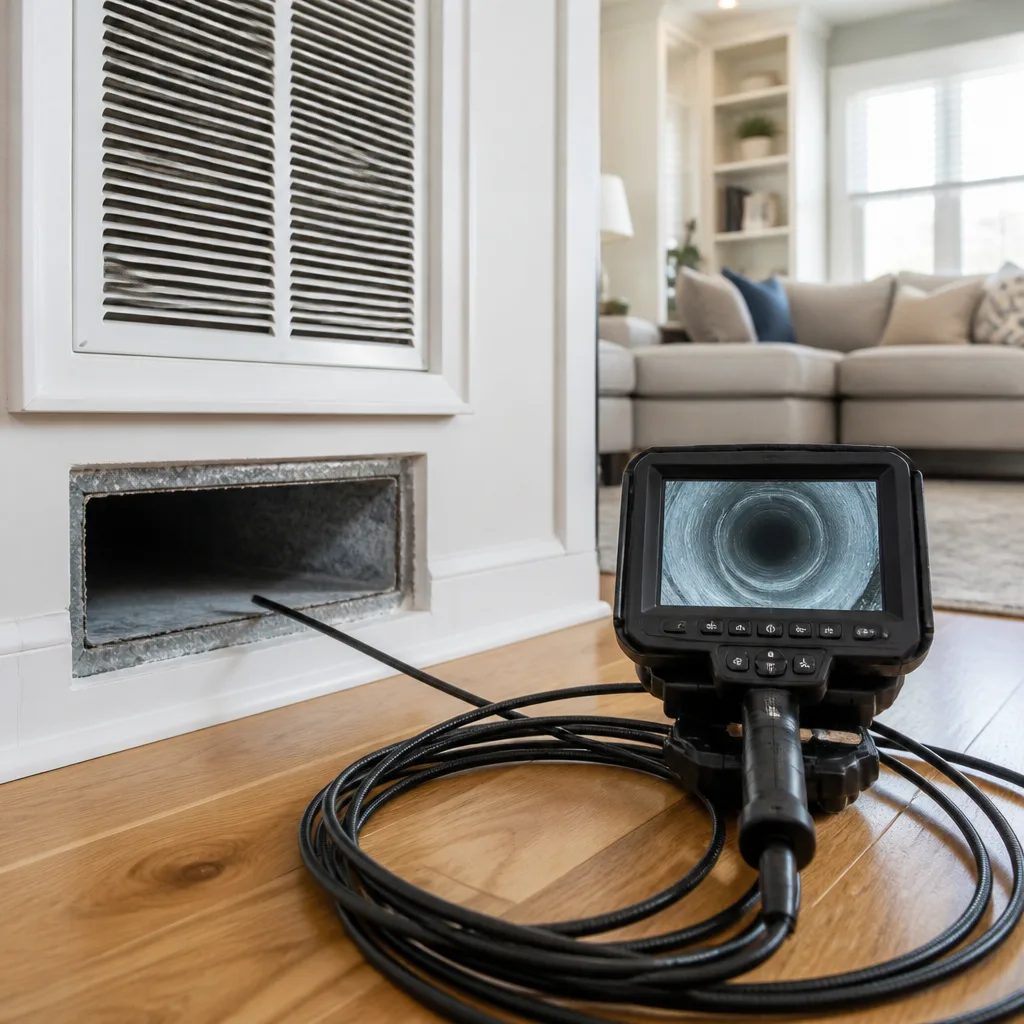 Camera inspection
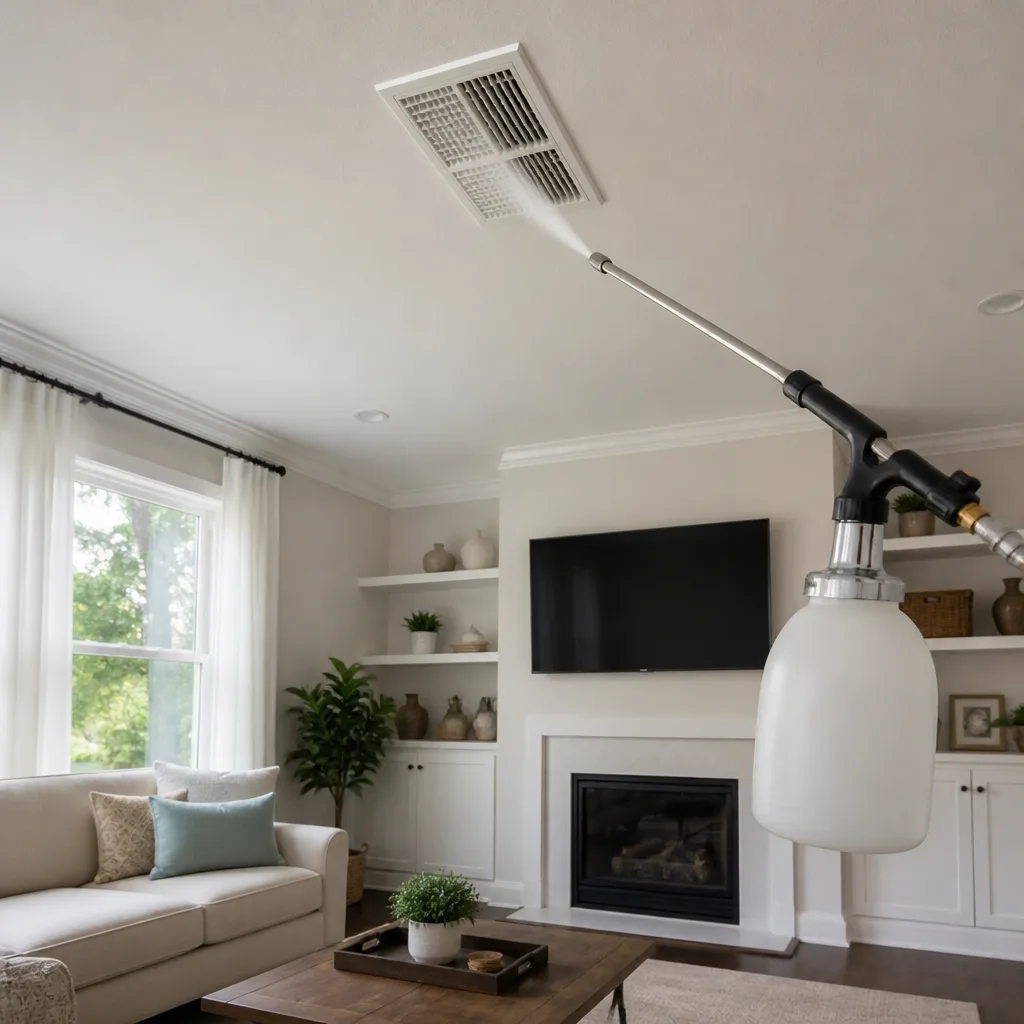 Sanitizing & deodorizing
Whole-system duct and dryer vent check with before-and-after photos - you see exactly what came out of your vents
That "$99 whole-house special" is a bait ad - the real number appears once they are in your hallway, or the "clean" is a shop-vac at the register. We photograph the inside of your ducts before and after instead.
Air Duct Cleaning Maintenance Checklist for Boulder Homeowners
A filter that still looks pale after 60 days in a Boulder home during fire season isn’t proof your ducts are clean. It’s often the opposite: particulate that should have loaded the filter slipped past it through a disconnected joint, a cracked plenum, or a gap at the filter frame. The filter looks great because the dirty air never reached it. That single idea is why a good maintenance checklist isn’t a reminder list. It’s a diagnostic framework, and it tells you whether your system is holding its performance between professional cleanings or quietly sliding backward. In this guide we’ll walk you through what to check monthly, seasonally, and annually, what to look and listen for, how to read your filter loading rate as a leak indicator, and how to document condition over time so a technician can compare baseline to current state.
Quick Answer
A sound air duct maintenance routine for a Boulder home has three layers: monthly checks (filter, return grilles, airflow at registers), seasonal work (spring pre-cooling inspection, fall pre-heating inspection, and a post-smoke-event walkthrough when wildfire smoke rolls in), and an annual professional duct inspection and cleaning as conditions warrant. The most important skill is reading your filter loading rate and the appearance of your supply and return registers, because those two signals reveal duct leakage and bypass before airflow problems show up inside the house.
Styles & brands we work with
- Whole-home duct cleaning
- Dryer vent cleaning
- Camera inspection
- Sanitizing & deodorizing
Table of Contents
- Why a Duct Checklist Matters More in Boulder
- Monthly Checks: 10 Minutes That Catch Most Problems
- Seasonal Tasks: Spring, Fall, and Smoke Season
- The Annual Deep Check and When to Schedule Cleaning
- Reading Your Filter Loading Rate as a Leak Indicator
- What Supply and Return Registers Tell You
- Post-Wildfire Smoke Protocol for Boulder Homes
- How to Document Duct Condition Over Time
Why a Duct Checklist Matters More in Boulder
Boulder sits at the foot of the Flatirons, and that geography shapes the air your duct system moves. Chinook winds, dry downslope flows, and long stretches of low humidity lift fine particulate off grassland and open space all year. Summer wildfire smoke from burns across the Front Range and farther west adds another load. When the wind finally drops, that particulate settles on horizontal duct runs, coil fins, and the top of the return drop. Homes with mature landscaping and gravel driveways get more of the coarse dust; homes near open space get the fine stuff that rides deepest into the system.
Boulder’s housing stock adds its own wrinkle. A meaningful share of homes here were built in the 1950s through the 1970s, when ductwork was often assembled with duct tape and short sheet-metal screws, and today many of those joints have loosened. Newer infill builds are tighter and better sealed but bring their own issues, like flex duct runs that sag and collect debris in the low spots. In both cases the question isn’t whether the ductwork gets dirty, it’s whether it’s leaking enough to matter. Your checklist should answer that question.
Fire suppression requirements in Boulder County also drive up the amount of exterior air exchange you get through gaps and penetrations during the windy season. That same wind pressure can push outdoor dust into return-side gaps, which is one reason a return duct run can look far worse than the supply side. Ductwork that’s been properly cleaned, repaired, and sealed holds its condition far longer than ductwork that was only vacuumed. That trifecta is the benchmark we measure against on every visit here.
Monthly Checks: 10 Minutes That Catch Most Problems
Set a recurring reminder on the first of the month. Ten minutes of straightforward observation covers the tasks that surface small issues before they become expensive ones. No tools required, and no ladder work.
- Inspect the filter. Slide it out and hold it up to a window. Note the overall color, whether the loading is even across the face, and whether you can see daylight through it. Write down a rough percentage of loading. Uniform gray is expected. A bright band along one edge, or a face that’s dirty in one corner and clean in another, points to a bypass issue rather than a filter that’s simply dirty.
- Look at the return grille. Dust on the fins of the return grille is normal in small amounts. A thick, felted layer that reappears within weeks of cleaning is a sign of a leak nearby or a filter that’s underperforming. Wipe it down and check again next month.
- Test airflow at two or three supply registers around the house. Hold the back of your hand near the grille for a few seconds. The blast should feel strong and roughly equal at each register. If one register is noticeably weaker than the others, come back to that note next month. If it stays weak, it’s a duct or balance issue, not a cleaning issue.
- Listen at the air handler. Stand near the furnace or air handler while the system runs. You’re listening for a whistling at a joint, a rattle from a loose panel, and any new vibration you didn’t hear last month. Whistling is air escaping. That air is coming from your conditioned space and being pushed into a crawlspace or attic.
- Sniff the return. A faint musty smell at the return grille isn’t a sign you should ignore. It can mean moisture on the coil or wet insulation in a duct run. Note whether the smell is stronger after a rainstorm.
Log every check-in a notebook or a shared note on your phone. That log becomes the baseline a technician compares against on the next visit.
Seasonal Tasks: Spring, Fall, and Smoke Season
Seasonal checks catch the changes that come with how Boulder’s climate stresses the house in a given direction. Cooling season pulls the system one way; heating season pulls it another. Take on each block of checks at the seasonal changeover, before the system has to carry full load.
Spring (before cooling season)
- Replace or clean the filter and write the date on the edge.
- Wipe down all supply and return grilles, then photograph each one. Spring is when pollen and cottonwood seed start showing up in return-side grilles.
- Look at the condensate drain pan and the line going out of it. Any standing water or slime is a signal to have the coil and pan checked before summer.
- With the fan running on low, walk the house and note which rooms feel stuffy and which feel cold. Airflow imbalance tends to show up first on the upper floor.
Fall (before heating season)
- Fresh filter, dated again. If your home had a fire nearby or a big smoke event over summer, replace the filter immediately rather than waiting for the calendar.
- Check the return grille for the fine, brick-colored dust that shows up after summer dust storms. It arrives through the return side even when windows are shut.
- Look for gaps at duct joints in visible runs (basement, garage, and attic access points). Damaged tape and loose screws are common in older Boulder homes.
- Turn the heat on for ten minutes on a mild day and listen for new whistling or popping at the duct runs. Hot air expands the metal and loosens joints that were fine in summer.
Smoke season
When a wildfire smoke event hits the Front Range, the routine changes. See the post-wildfire protocol below for what to check and when to call.
The Annual Deep Check and When to Schedule Cleaning
Once a year, walk the system top to bottom and make a decision about professional service. The professional air duct cleaning visit isn’t a fixed calendar item. It’s a decision you make with data. Here’s the annual routine.
- Photograph every register and the return face under even light. Baseline photos beat memory every time.
- Do a full walkthrough with the system running. Feel airflow at each supply, listen at the air handler, and note any room that’s drifted noticeably from last year.
- Inspect accessible duct runs. Open the access panel to the air handler and look at the plenum and the first six feet of trunk. Look for torn flex liner, separated joints, sagging runs, and visible dust accumulation on the interior walls.
- Look at the evaporator coil. It’s visible in most systems with the access panel off. A matted, gray fuzz across the coil face restricts airflow and stresses the compressor.
- Schedule professional cleaning or repair if you see two or more of the indicators below. One indicator might be a filter issue; two or more usually means the system itself needs work.
Indicators that cleaning is overdue
- Visible dust plumes blowing out of a supply register after the system has run for a while.
- Dust buildup on the return grille that comes back within a week of cleaning.
- Persistent musty odor in a room even after cleaning the filter and grilles.
- Dust on horizontal surfaces that returns in two or three days despite normal cleaning.
- Coil fins with visible matting.
Indicators that a repair comes first
- A register with noticeably weaker airflow than its neighbors.
- Whistling at a joint, or tape pulling away from a seam.
- A duct run that visibly sags or has separated from its connection.
- Mold or dark staining on the visible interior of a duct.
Cleaning a system with a torn joint before you repair the joint wastes the cleaning. That’s why our visits start with an inspection and end with a recommendation to clean, repair, and seal, in that order, or to clean and seal together when the repair is small. Cleaning, repair, and sealing as one coordinated job is how a duct system actually holds up between visits.
Reading Your Filter Loading Rate as a Leak Indicator
Filter loading rate is exactly what it sounds like: how quickly the filter face goes from clean to visibly gray. It’s the single most useful diagnostic an untrained homeowner can track, because it tells you where the air is going and whether it’s carrying particulate with it.
A filter that loads evenly across its face in roughly the time the manufacturer recommends is telling you the system is pulling air as designed. A filter that loads in one corner while the rest stays bright is pulling air from somewhere it shouldn’t. That’s a bypass. In practice, bypass usually means one of these:
- The filter frame isn’t sealed to the housing; air slips around the edge.
- A joint on the return side has opened, letting unfiltered air into the return after the filter.
- The filter slot has a gap where the filter doesn’t fully fill it.
- The plenum between the filter and the air handler has a crack or a missing screw.
A filter that loads faster than normal across the whole face, without a band or a bright corner, is pulling in more particulate than usual. In a Boulder home, that’s often an indication that windows were open during a windy stretch or that a smoke event pushed fine ash into the return.
The most confusing case is a filter that looks clean after 60 days during fire season. That’s the situation in our opening: air is bypassing the filter entirely. Before assuming the system is fine, run your hand along the filter frame and see if you can feel air moving past the edge. If you can, you’ve found a leak. The correct fix is a sealed filter frame and a repaired return, not a different filter. Honeywell and Aprilaire filter systems, common in well-maintained homes around Boulder, both depend on a sealed housing to filter as designed, and a filter change alone never fixes a bypass.
What Supply and Return Registers Tell You
Registers are the windows into your duct system. Their appearance, month to month, separates “needs cleaning” from “needs repair.” Here’s how to tell the difference.
Signs at the supply register
- Thin, even gray haze on the grille. Normal. Wipe monthly.
- Thick felted dust or clear dust plumes when the system starts. Cleaning is overdue; the interior of the supply run is loaded.
- Soot, dark streaks, or oily film. Points to a combustion or moisture issue in the system. Stop running the system and call for inspection.
- Weak airflow at one register only. Points to a duct issue, not the register itself. Check the damper position first, then call for inspection if the airflow doesn’t return.
Signs at the return register
- Heavy dust that returns within a week of cleaning. A return-side leak is pulling unfiltered air into the system downstream of the filter. Filter appearance will look clean; the return will look dirty. That’s a classic Leak signature, and it’s a repair before a cleaning.
- Musty smell at the return. Often moisture on the coil or a wet patch of insulation near the air handler. Call before running the cooling system again.
- Cold air at the return grille during heating season. Suggests a return-side leak pulling in outdoor or attic air. Fix the leak, not the thermostat.
- Visible dust streaks on the wall around the register. Air is escaping around the register frame instead of through it. A small gasket or a fresh seal at the frame usually solves this.
The rule of thumb: supply-side dust points to cleaning, return-side dust points to leakage. In practice you often find both, which is why a full-system safety check should include duct repair and sealing alongside the cleaning. Our team works with Abatement Technologies contaminant-control equipment because these return-side problems need real containment, not a shop vacuum.
Post-Wildfire Smoke Protocol for Boulder Homes
When a wildfire burns nearby and the smoke plume lands on Boulder, the plan changes for the following two weeks. Smoke particulate is fine enough to pass through many standard filters and to settle inside the duct runs on the return side. Once it settles, running the system recirculates it. Here’s the protocol we recommend.
- Shut the windows and set the system to recirculate. Don’t run evaporative cooling during a smoke event; it pulls outdoor air into the house.
- Check your MERV rating. Standard fiberglass filters at the low end of the MERV scale won’t capture fine smoke particles. A higher-MERV filter improves capture but also increases pressure drop, so make sure the blower and filter housing can handle it before you upgrade. Honeywell and Aprilaire filter cabinets are designed for higher-MERV media; a stock filter slot often isn’t.
- After the smoke clears, replace the filter immediately. Don’t wait for the monthly check. The filter is loaded.
- Wipe the visible faces of every return grille with a damp cloth, especially in bedrooms. Fine ash settles on horizontal surfaces first.
- Listen for new whistling at the air handler after the first run of the system following the smoke. Heat buildup and a smoke event together can loosen a joint that was previously fine.
- Watch for a musty or ashy smell through the following week. If it persists after the filter change and the grille wipe-down, the interior of the return run is loaded with settled smoke particulate. That’s when you call for professional cleaning. Waiting for the next scheduled service means the system recirculates smoke residue for weeks.
- Photograph the return and supply grilles before and after the event so you have a comparison if a musty smell or airflow drift persists into the next month.
One note for Boulder in particular. The Marshall Fire and other Front Range events left behind fine ash that many homeowners report finding in attic and crawlspace spaces years later. Duct systems that pull through a leaky return can capture and hold this material. It doesn’t clear out on its own.
How to Document Duct Condition Over Time
A technician who visits your home once has no idea what “normal” looks like for your duct system. A technician who can see a year of photographs, filter replacement dates, and airflow notes can spot a trend. That trend is the difference between a cleaning recommendation and a diagnosis. Here’s how to build the record.
Start with a simple paper binder or a phone album named “ducts.” At each monthly and seasonal check, take the same photo from the same spot. The register in the upstairs hall, the return grille in the hallway, the filter with the date written on the edge. Note the loading percentage in words (“light gray, even”) rather than trying to estimate. Note airflow at three supply registers using your hand test and the words “strong, medium, weak.” Note any sounds you hear. Note the date of each filter change.
When you schedule a professional visit, share the binder. A technician can compare your baseline to the current state and see what’s changed. A return that has slowly darkened over twelve months reads differently than a return that darkened in one week. A filter loading rate that has slipped in the past two months reads differently than one that’s been steady. That’s why a proper HVAC cleaning visit starts with an inspection. Comparing baseline to current tells us what the system needs: cleaning alone, cleaning plus sealing, or a repair before anything else.
Duct documentation also protects you when you sell the house. A buyer’s inspector will ask about the age and condition of the ductwork. A binder with monthly photos, filter dates, and receipts tells a clear story. A missing binder tells a fuzzy one.
Common Mistakes to Avoid
- Skipping the return grille because the supply grille looks clean. The return is where most Boulder duct problems show up first. Clean the return face on the same schedule as the supply, or you’ll miss the leak signal.
- Upgrading to a high-MERV filter without checking pressure drop. A higher-MERV filter captures finer particulate but restricts airflow. Install it only if the housing and blower are rated for it. A static-pressure check by a technician prevents damage to the compressor.
- Assuming a clean filter means clean ducts. A clean filter after 60 days of smoke season is often a leak signal, not a sign the ducts are fine. Test the filter frame for air bypass before you assume the system is in good shape.
- Coating a musty duct with a spray product before you find the moisture source. Sanitizing a duct won’t solve a leak behind the drywall. Find and stop the moisture, then treat.
- Scheduling duct cleaning but declining a repair for a torn joint. Cleaning a leaking system moves dust into the living space rather than out of the duct. Repair and seal first when the inspection shows a torn joint.
- Replacing the filter at the wrong time of year for Boulder’s climate. Front Range smoke season lands in summer, before the fall filter change most people schedule. Check the filter after every smoke event, not just at the fall change.
- Not keeping a record. A photo of a clean return today tells a technician nothing without a photo from six months ago. Keep the log.
See the difference
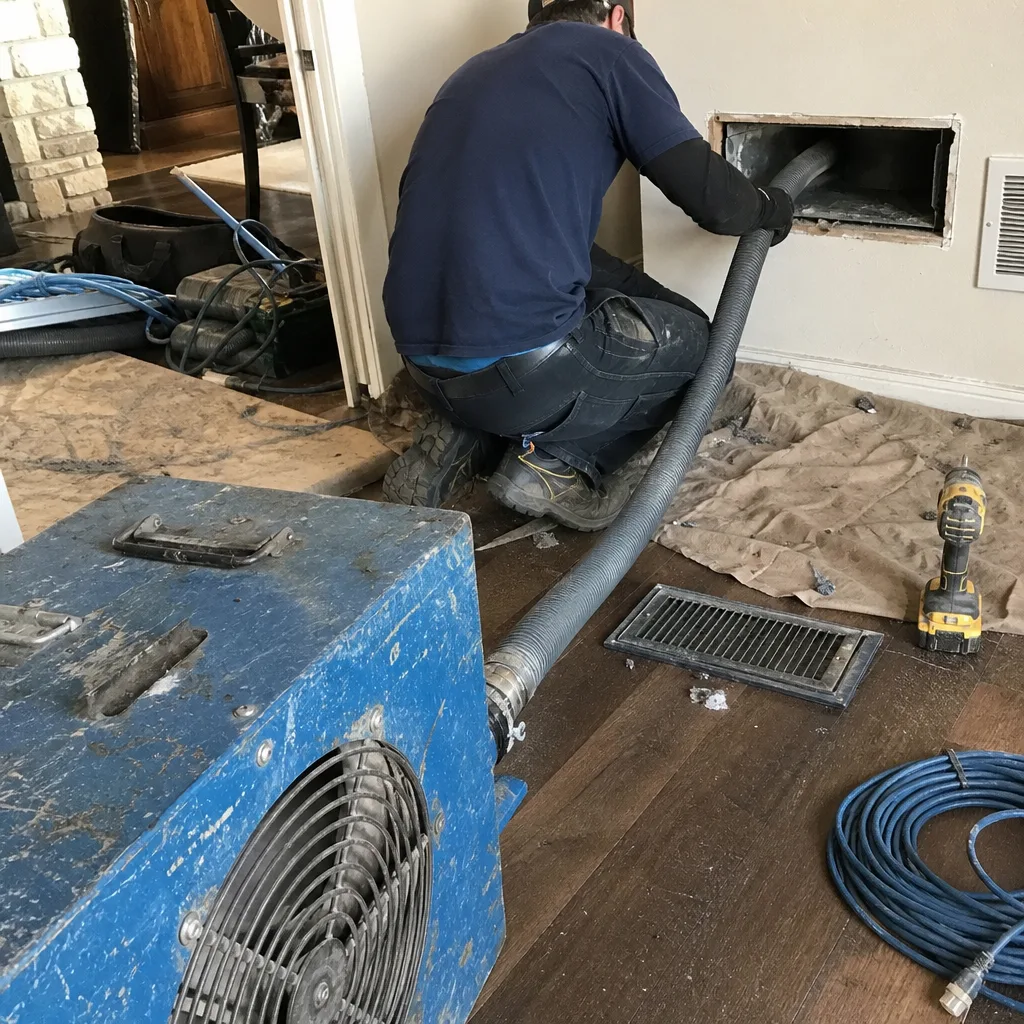 Before
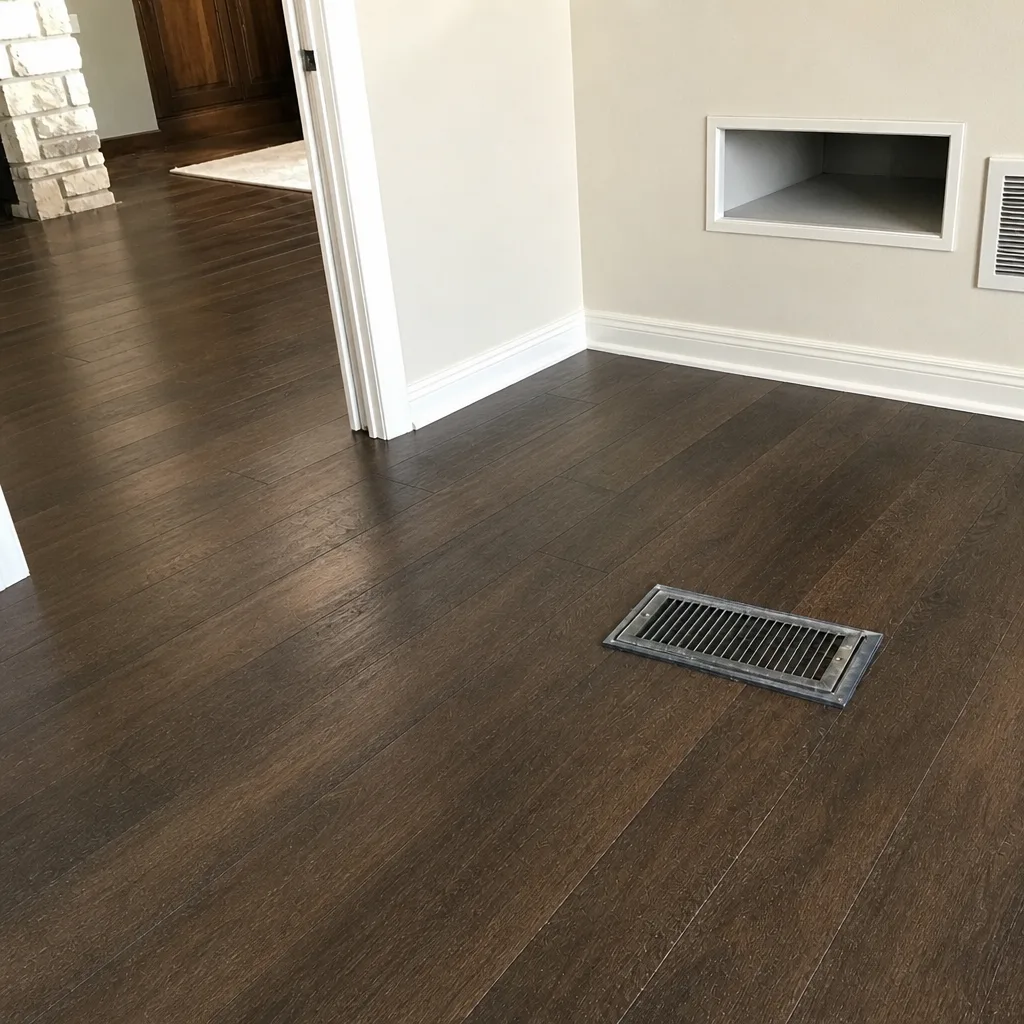 After
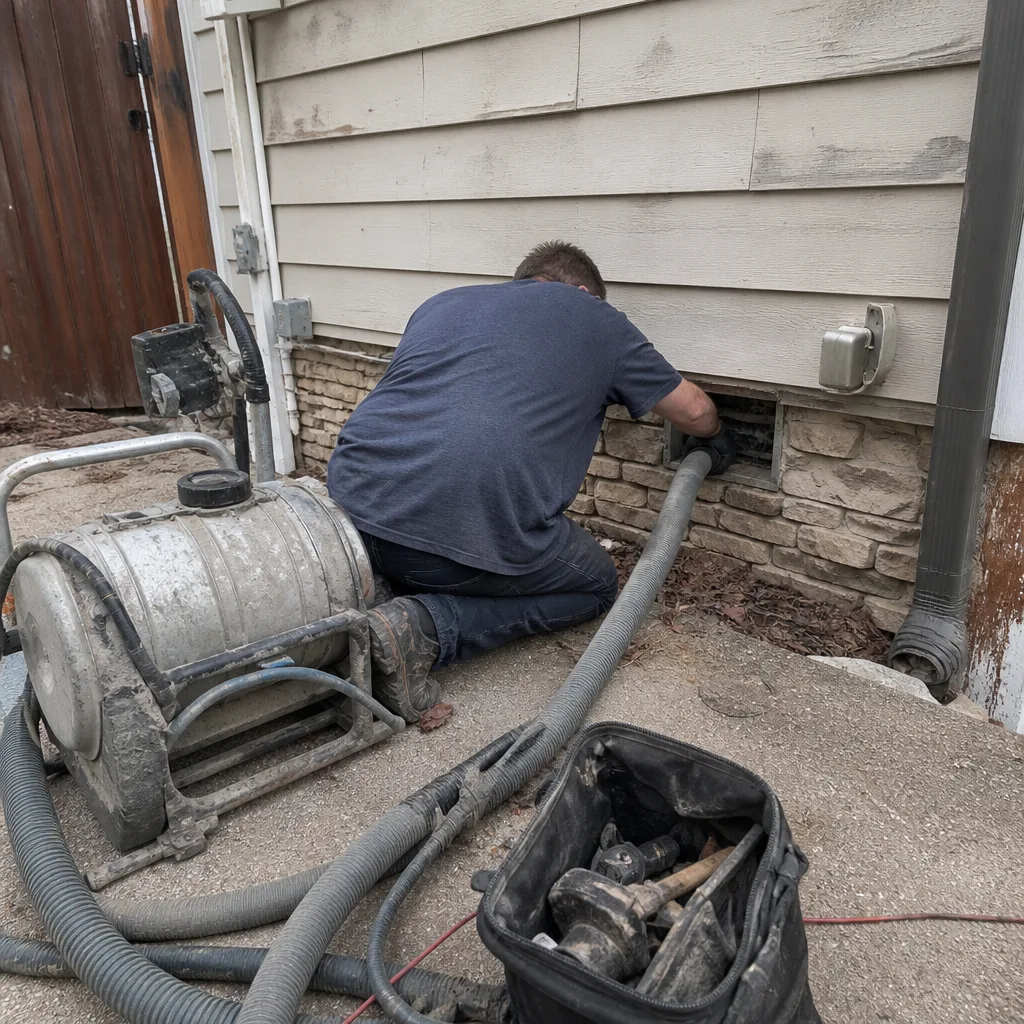 Before
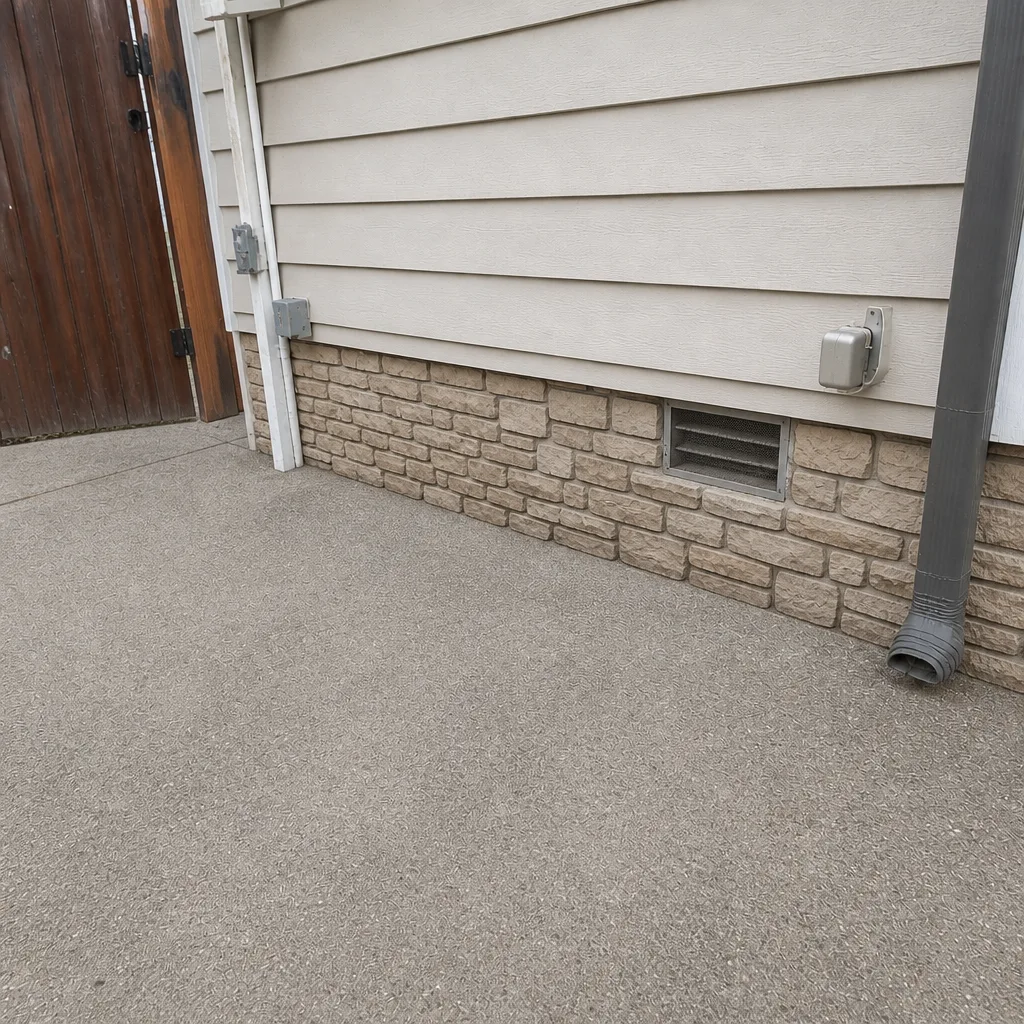 After
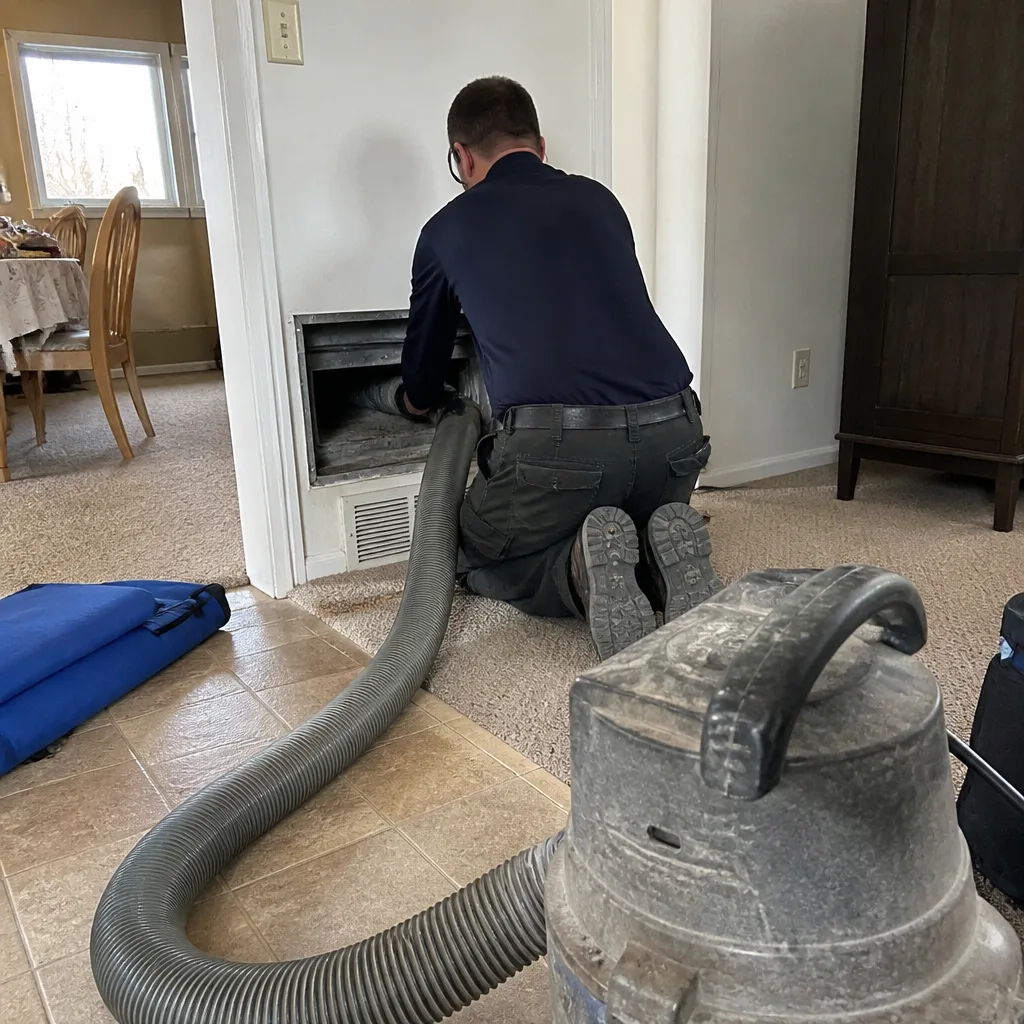 Before
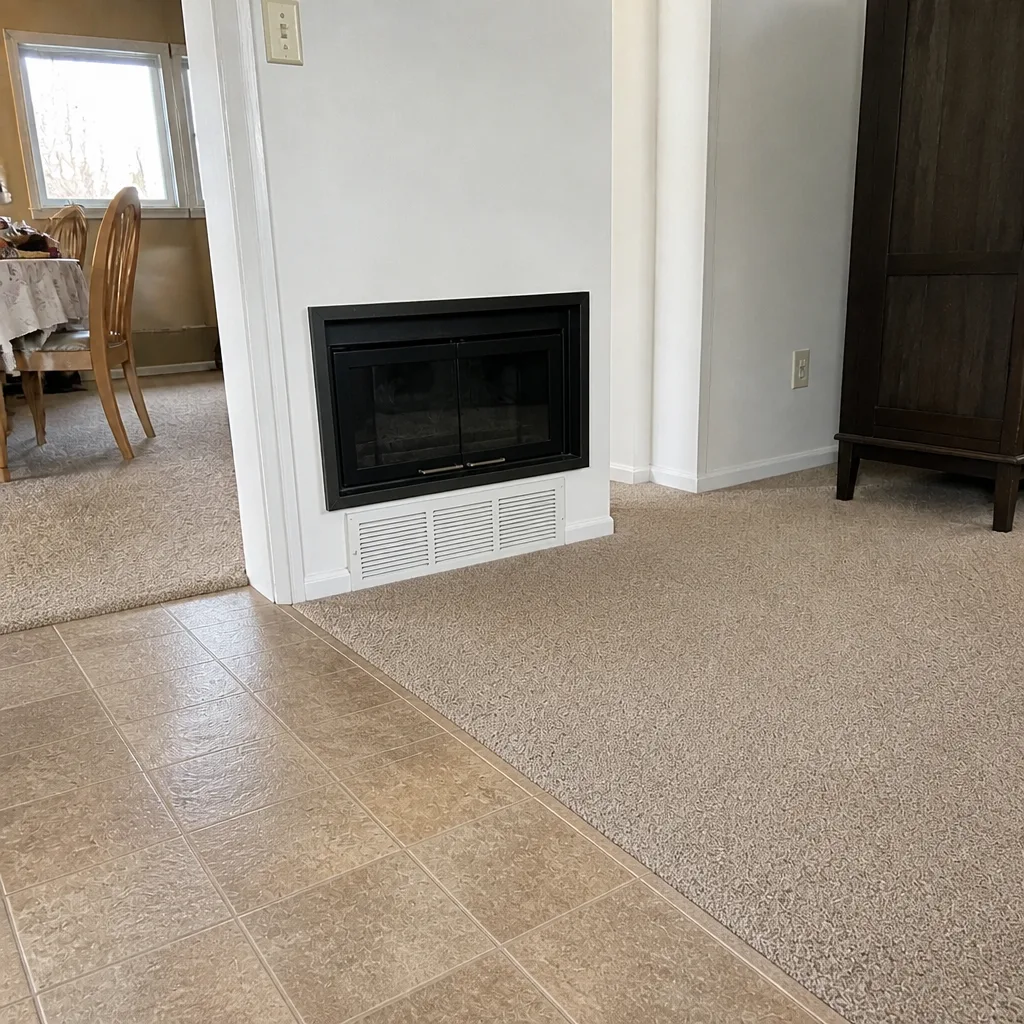 After
When to Call a Professional
Call a professional when you find two or more of the indicators on the annual check list at once, or when one serious indicator shows up on its own. Whistling at a joint, torn flex liner, mold on the visible interior of a duct, soot or dark streaks at a supply register, or persistent musty odor after a filter change all belong in the call-a-professional column. Same for a return that darkens within days of a cleaning, or a filter that loads faster than normal across the whole face despite a fresh seal.
Also call after a nearby wildfire smoke event if a musty or ashy smell persists for more than a week after you change the filter and wipe the grilles. That’s the situation where waiting for the next scheduled service just delays the fix.
Boulder Air Duct Cleaning Co offers free estimates in Boulder, and we can quote dryer vent cleaning on the same visit if you want the whole ventilation path checked at once. Call (866) 328-8803. We answer 24/7. Fast dispatch from 7am to 7pm, Sunday through Friday. A call outside dispatch hours is booked into the next opening.
Frequently Asked Questions
Most Boulder homes need professional duct cleaning every three to five years, and sooner after a smoke event or if you can see two or more of the annual-check indicators at once. Homes with pets, recent remodeling, or older ductwork assembled with tape and screws tend to need it closer to the three-year end. A home with a documented, sealed system can often go five years. The annual check is what tells you which end of that range you’re on.
A clean-looking filter during a smoke event usually means air is bypassing the filter through a gap in the frame or an open joint on the return side, not that the air is clean. Run your hand along the filter frame while the system runs. If you feel air moving past the edge, you’ve found a bypass. That’s a duct repair job, not a filter job.
A dirty duct has dust on its interior walls and typically shows up as dust at the supply register. A leaking duct lets unfiltered air into the system downstream of the filter, and shows up as a return grille that darkens within days of cleaning, or as whistling at a joint. Supply-side dust points to cleaning; return-side dust points to sealing. Many Boulder homes have both, which is why a proper visit does both jobs.
Only if your filter housing and blower are rated for it. A higher-MERV filter captures more particulate but restricts airflow, and on some systems that restriction damages the compressor over time. Honeywell and Aprilaire filter cabinets are designed to accept higher-MERV media without stressing the system; a bare filter slot frequently isn’t. Ask a technician to check static pressure before you upgrade.
Call within one to two weeks after the smoke clears if a musty or ashy smell persists through a filter change and a grille wipe-down. Don’t wait for the next scheduled annual cleaning. Fine smoke particulate settles on the return side and recirculates every time the system runs. That’s a contaminant-control problem, not a routine cleaning problem.
You can handle the monthly filter and grille checks, seasonal walkthroughs, filter changes, and the documentation log without any tools. What you shouldn’t handle on your own is the inside of the air handler, electrical work at the blower, or anything involving the evaporator coil, because those are in the dangerous-component column. When a monthly check turns up a whistle, a torn liner, or a musty return, that’s the moment to call. Call (866) 328-8803 for a free estimate so we can look at the full picture before you book any cleaning.
The Bottom Line
A checklist earns its keep when it tells you something you couldn’t see without it. Monthly checks surface filter bypass and airflow drift. Seasonal checks ride shotgun on Boulder’s wind, pollen, and smoke patterns. The annual deep check is where you make the call to clean, repair, and seal, in the order the ductwork actually needs. Keep the log, photograph the registers on the same day each month, and share the record at each professional visit. That record is what turns a cleaning visit into a diagnosis. Our technicians have up to 9 years of experience working with Rotobrush and Nikro cleaning systems and with Honeywell and Aprilaire filtration, and we recommend scheduling a full inspection when the monthly checks stop telling you what’s changed. Call (866) 328-8803 for a free estimate.
To see our broader set of services, visit Boulder Air Duct Cleaning Co.
Written by the team at Boulder Air Duct Cleaning Co.