
Last updated November 23, 2026
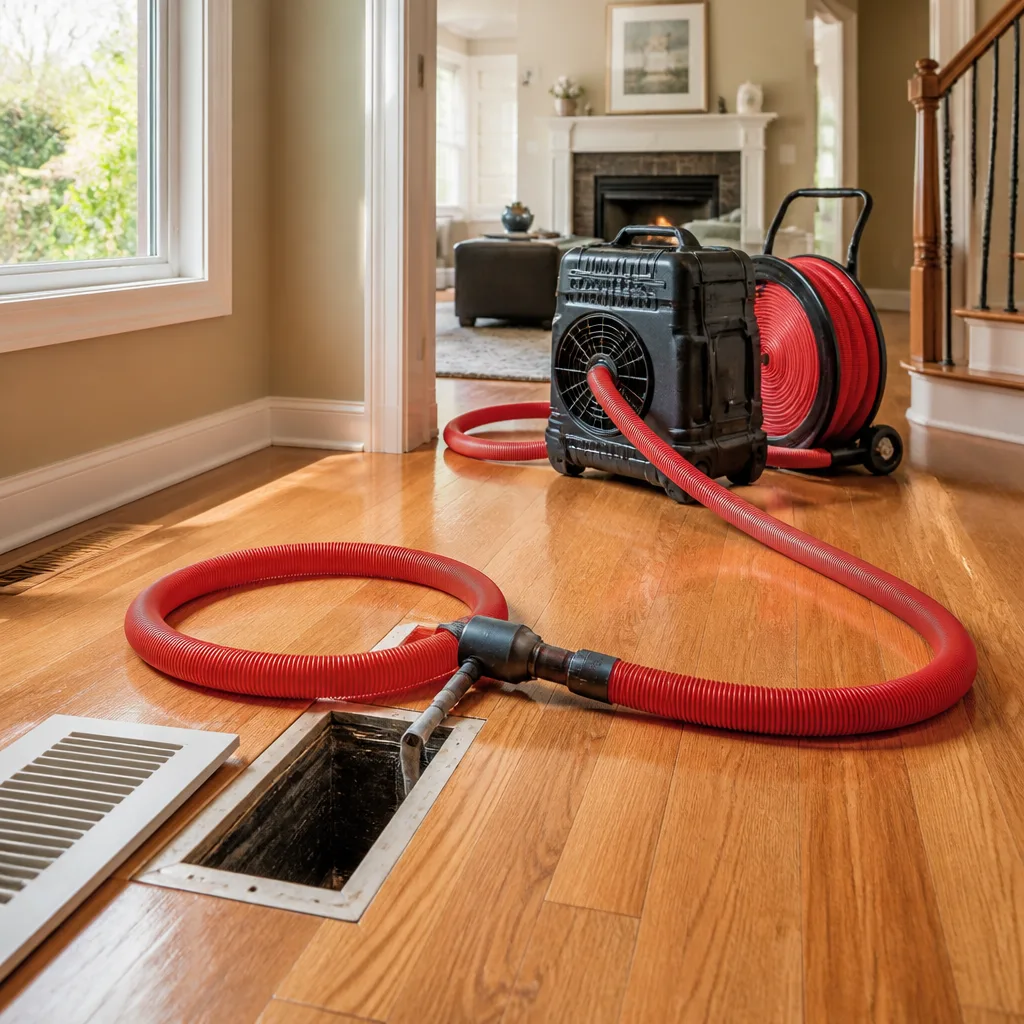 Whole-home duct cleaning
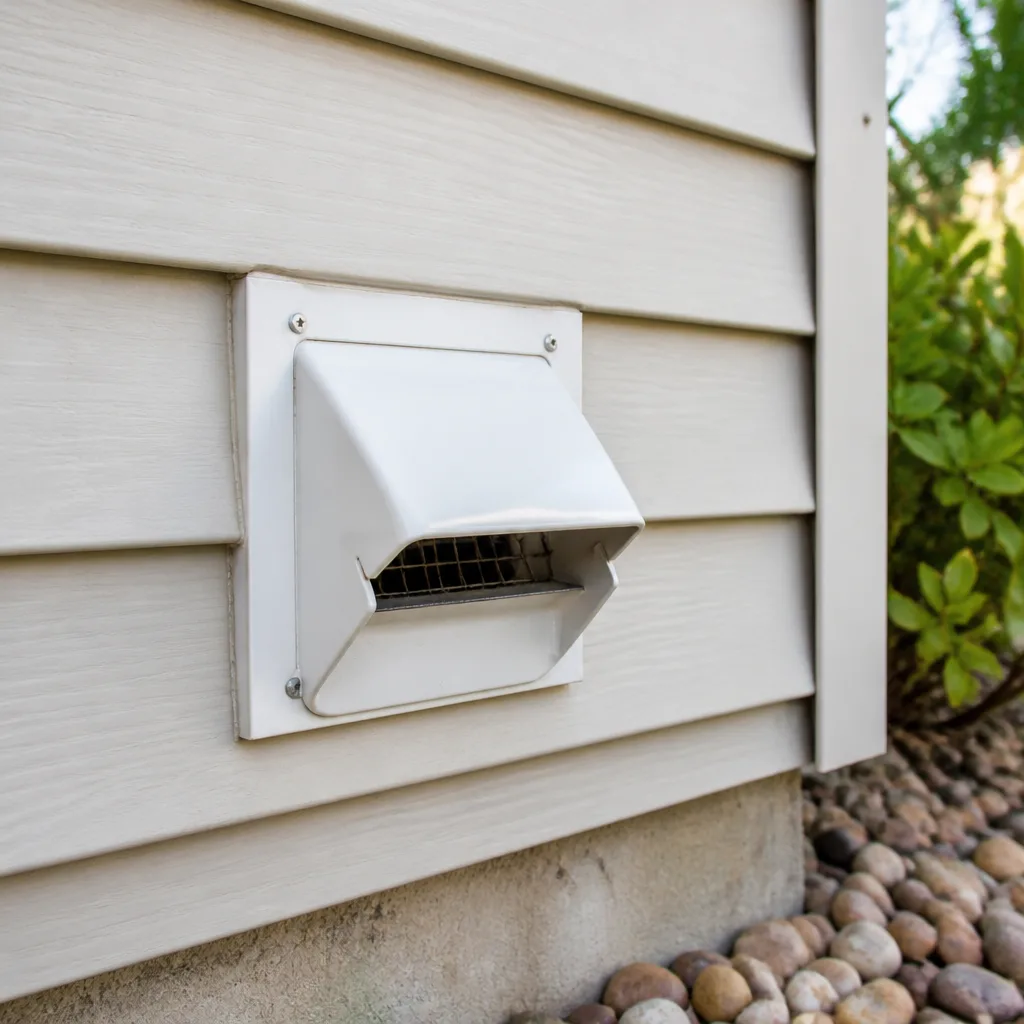 Dryer vent cleaning
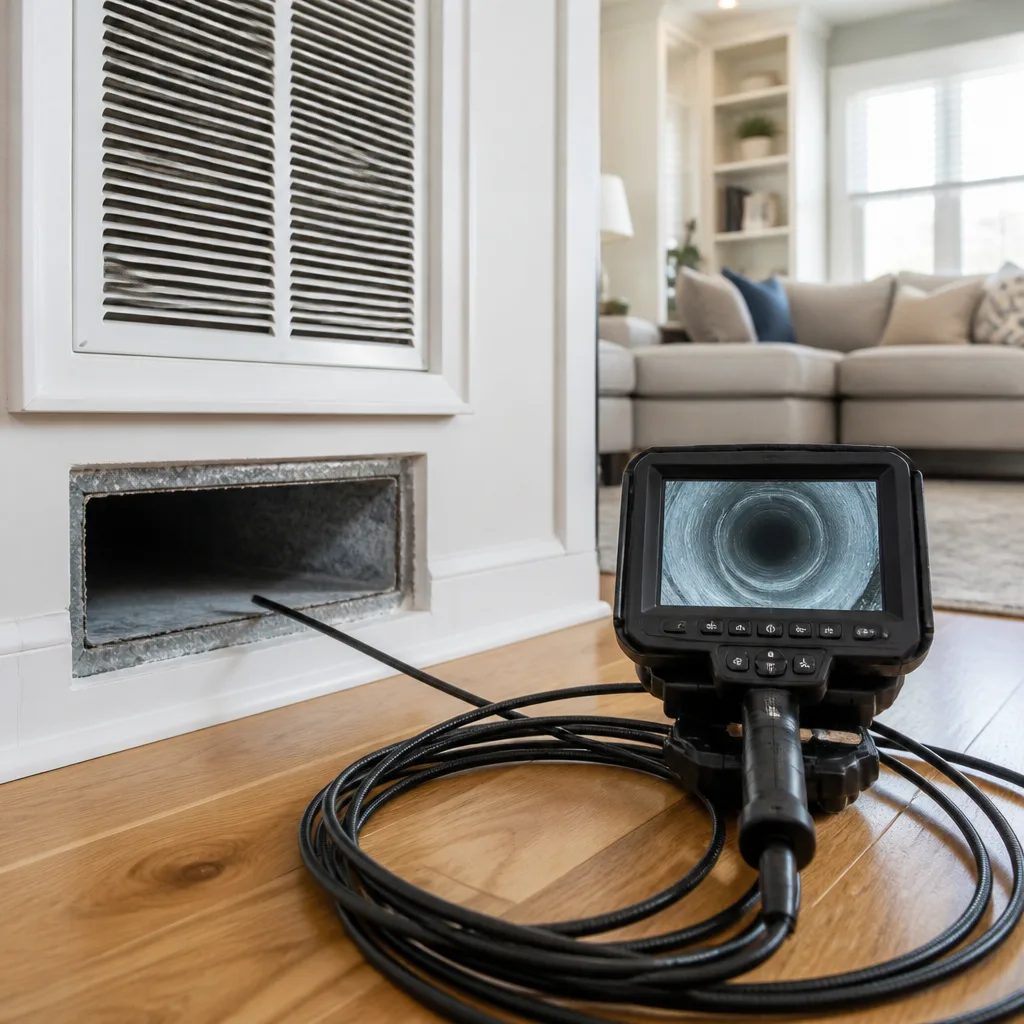 Camera inspection
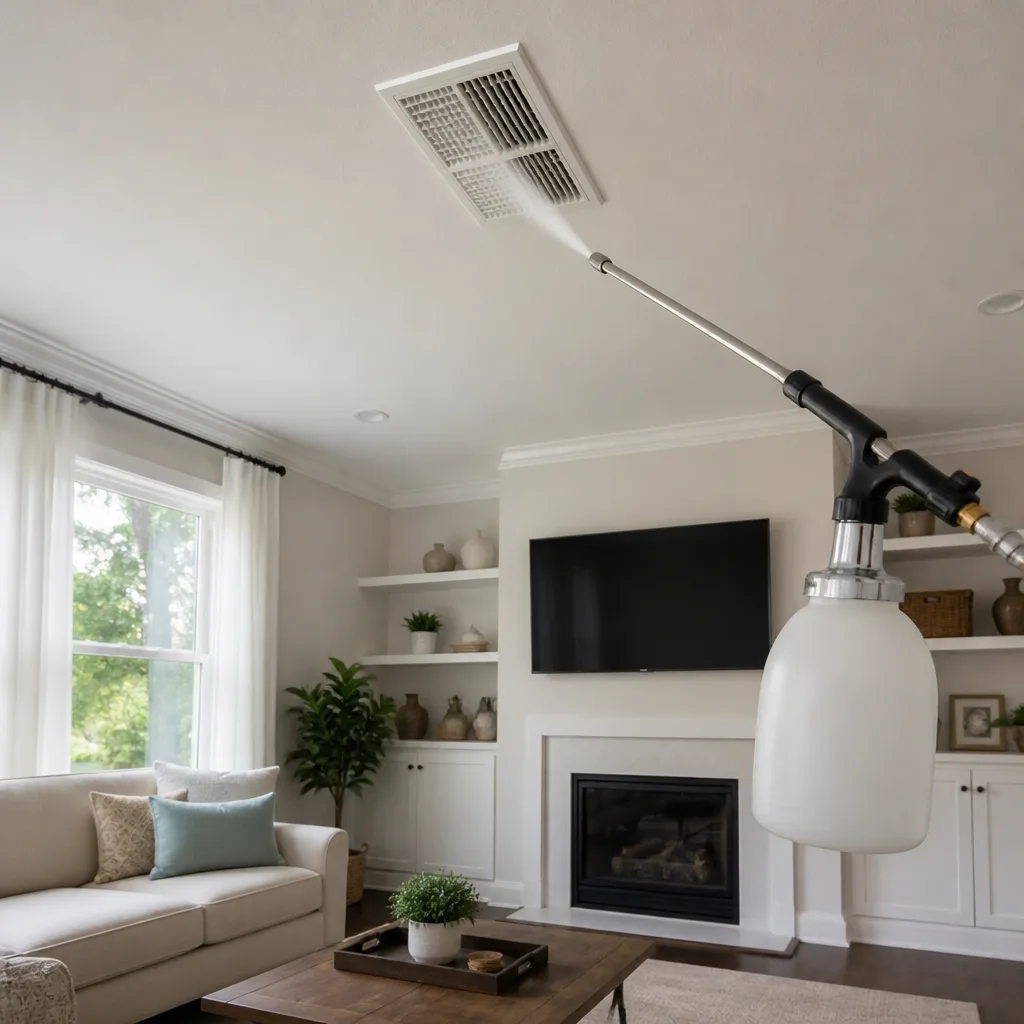 Sanitizing & deodorizing
Whole-system duct and dryer vent check with before-and-after photos - you see exactly what came out of your vents
That "$99 whole-house special" is a bait ad - the real number appears once they are in your hallway, or the "clean" is a shop-vac at the register. We photograph the inside of your ducts before and after instead.
Air Duct Cleaning Emergency Preparedness Guide for Boulder Homes
Most emergency preparedness advice for Boulder homeowners stops at the go-bag and the evacuation route. The HVAC system rarely makes the checklist. That’s a blind spot with real consequences. During the Marshall Fire recovery, some Boulder-area homeowners returned to homes that were still standing and did the most natural thing: they turned the heat back on. The system pulled smoke particulate that had settled into the ductwork and pushed it back through the living space, sometimes for weeks. The fire was over. The exposure wasn’t. This guide covers what to do with your duct system before, during, and after a smoke or ash event so it doesn’t become a secondary source of contamination once the external emergency has passed.
Quick Answer
Before a smoke or ash event, shut down your HVAC system and close the outdoor air intake to limit infiltration. After the event, don’t run the system until you’ve inspected the return registers and ductwork for ash and smoke residue. Surface smoke odor and fine ash particulate need different treatment, and duct cleaning plus sealing is usually the fix when contamination is confirmed. Call a professional when you can smell smoke indoors after the outdoor air has cleared or see visible ash in the returns.
Styles & brands we work with
- Whole-home duct cleaning
- Dryer vent cleaning
- Camera inspection
- Sanitizing & deodorizing
Table of Contents
- Why Boulder’s Wildfire Risk Makes Duct Preparedness Practical
- Pre-Event Protocol: What to Do Before Evacuation or a Red Flag Warning
- How to Assess Duct Contamination After a Smoke Event
- Smoke Odor vs. Ash Infiltration: Two Different Problems
- When to Call Immediately vs. Monitor and Schedule
- Long-Term Resilience: Filtration, Sealing, and System Upgrades
- Common Mistakes to Avoid
- When to Call a Professional
Why Boulder’s Wildfire Risk Makes Duct Preparedness Practical
Boulder sits at the edge of the wildland-urban interface. The foothills rise within minutes of downtown, and the city has a documented history of wildfire and smoke events that push particulate into residential neighborhoods far from the actual burn zone. The Marshall Fire showed how fast that can happen. But wind-driven smoke from fires in the mountains west of Boulder or from distant burns can blanket the city for days without any fire in your immediate area.
What most homeowners don’t realize is that the duct system is a reservoir. When smoke drifts through a neighborhood, fine particulate enters through return registers, gaps at joints, and the outdoor air intake if your system has one. It settles on duct walls, on the blower, and on the evaporator coil. Once the outdoor air clears, that material is still inside. Every time the system runs, it stirs some of it back into the living space.
That’s the mechanism behind a pattern we see after smoke events in Boulder neighborhoods like Frasier Meadows, Martin Acres, and the streets near Chautauqua. Homes smell fine outside but still carry a smoke note indoors. The source isn’t the yard or the walls. It’s the air pathway.
This matters because Boulder’s climate also makes the system run hard. Cold winters, hot summers, and a lot of heating and cooling hours mean the blower moves a large volume of air through the same ducts season after season. Contamination that settles in October is still being distributed in January. Preparedness, then, is about interrupting that cycle at the right moment.
The good news is that most of what you need to do is simple, and none of it requires guessing. The rest of this guide walks through the steps in order, from the moment a warning is issued to the weeks after the smoke clears.
Pre-Event Protocol: What to Do Before Evacuation or a Red Flag Warning
When a Red Flag Warning is issued or an evacuation order reaches your area, the goal is to limit how much smoke and ash enters the system in the first place. A few settings and a few minutes of prep make a measurable difference. Here’s the order we recommend.
- Turn the system off. Set the thermostat to off so the blower doesn’t run. A running system pulls outdoor air and smoke through every gap and return register in the house.
- Close the outdoor air intake. If your system has a fresh-air damper or an economizer, close it. On most Boulder homes this is a manual lever near the return plenum or a setting in the controller.
- Seal the returns if you’re evacuating. Tape plastic over return registers with painter’s tape before you leave. This keeps ash from settling into the duct mouths while the house is vacant.
- Close windows and doors. Obvious, but worth stating. Wind-driven smoke finds every gap, and gaps at window frames and door sweeps are how it gets in.
- Set up a clean room if you’re staying. Pick one room, seal it with tape and towels, and use a portable air cleaner rated for smoke particulate. Run a box fan if you have one, but keep it inside the sealed room.
- Note the time you shut the system down. This matters later. The longer the system was off during the event, the less infiltration you’re likely to have.
If you’re a property manager responsible for multiple units in Boulder, the same steps apply building-wide, but the returns on each unit need to be checked individually. A unit on the windward side of the building takes on more than one on the lee side, and the difference shows up in the ductwork.
One thing to keep in mind: shutting the system off doesn’t protect the ducts from smoke that infiltrates through the house itself. It just limits how much gets pulled in and circulated. If the house has any gap in the building envelope, some particulate will get in. The point of the pre-event protocol is to reduce the load, not to eliminate it.
We also recommend keeping a few supplies on hand before an event rather than during one: painter’s tape, plastic sheeting, a portable air cleaner with a HEPA filter, and a spare filter for the furnace. The hardware stores in Boulder sell out fast when a warning is issued.
How to Assess Duct Contamination After a Smoke Event
Once the outdoor air has cleared and you’re back in the home, the question is whether the ductwork needs professional attention. You don’t need special tools to make a first assessment. You need to look, smell, and listen in a specific order.
Look
- Pull the return register covers. Shine a flashlight into the return boot and the first section of duct. Visible gray or black ash film on the duct wall is your first signal.
- Check the furnace filter. A filter that’s heavily loaded with gray or black material after an event, not just dust, tells you the system pulled in particulate.
- Inspect the blower compartment. Open the access panel on the air handler (power off first) and look at the blower wheel. Ash film on the blades is a sign that the particulate made it past the filter.
- Look at the supply registers. If you see streaks of soot around the fins on supply registers, the system pushed particulate through the supply side.
Smell
- Walk into the home after it’s been closed up for a few hours. A smoke note that’s stronger indoors than outdoors is the clearest sign of contamination.
- Run the fan on low for fifteen minutes, then smell the supply registers. A smoke or burnt-wood smell at the supply means the system is distributing contamination.
- Open the return plenum access if you have one. A strong smoke smell at the return side is the most direct confirmation you’ll get without a scope.
Listen
A system that was clean before an event and suddenly sounds different (rattles, a heavier hum, uneven airflow) has probably pulled something in. That’s a signal worth investigating even if you don’t see ash.
If two of the three checks point to contamination, the system needs professional cleaning before it runs routinely. If only one does, monitor for a few days and schedule a cleaning on a non-urgent timeline. If none do, run the system and re-check after a week. This is the same sequence our technicians use on a post-event assessment in Boulder, and it’s what we’d recommend you do first before you call.
For a deeper look at what routine evaluation and cleaning involve outside an emergency context, see our guide to air duct cleaning.
Smoke Odor vs. Ash Infiltration: Two Different Problems
Homeowners tend to talk about “smoke in the ducts” as one thing. In practice it’s two, and they need different treatment. Mistaking one for the other is where a lot of DIY effort goes to waste.
Smoke odor (surface deposition)
Smoke odor comes from volatile organic compounds that deposit on surfaces. They land on duct walls, register covers, the blower wheel, and the inside of the air handler. The material is thin, often invisible, but it off-gasses for weeks. The smell gets stronger when the system runs because the blower moves air across those surfaces and volatilizes the compounds.
The fix is a mechanical cleaning of all affected surfaces plus, where appropriate, a sanitizing treatment. Surface deposition responds well to cleaning because the odor source is on the surface. Once the surface is clean, the smell drops.
Ash particulate infiltration
Ash is physical material. It’s heavier than smoke vapor and settles in places where airflow slows: the bottom of horizontal duct runs, the return boots, the plenum, and the fins of the evaporator coil. It doesn’t just smell. It accumulates, and every time the system runs, some of it becomes airborne again.
The fix here is more involved. Cleaning has to remove the actual material, which means the equipment has to generate enough vacuum and agitation to lift settled ash out of the ductwork without blowing it into the living space. This is where the equipment matters. A shop vacuum and a brush won’t do it. We use Rotobrush and Nikro systems because they combine high-volume negative pressure with mechanical agitation that’s designed for this kind of remediation, not just routine dust removal. For homes with significant ash loads, we also work with Abatement Technologies products, which are built for contaminant control rather than surface cleaning.
Why the distinction matters
If you have both, treating only the odor leaves ash in the system that will keep generating smell and particulate. Treating only the ash without addressing the volatile compounds leaves the smoke note in the air handler and registers. The complete job is clean, then assess, then sanitize where warranted, and seal any gaps that let the contamination in. Our HVAC cleaning work covers the system components (blower, coil, plenum) alongside the ducts, because ash and smoke don’t stay neatly in the ductwork.
When to Call Immediately vs. Monitor and Schedule
Not every smoke event requires a same-day call. Overreacting wastes money. Under-reacting leaves contamination in the system for months. Here’s a practical triage framework we give Boulder homeowners after a smoke event.
Call immediately if:
- You can smell smoke indoors after the outdoor air has been clear for 48 hours.
- You see visible ash film in the return boots or on the blower wheel.
- Anyone in the home has asthma, COPD, or another respiratory condition and reports symptoms indoors.
- A smoke event coincided with a system failure, a filter that collapsed, or a duct that came apart.
- You’re a property manager and a tenant has reported symptoms or odor.
Monitor and schedule non-urgently if:
- You smell smoke only faintly in one room and outdoor air is still smoky.
- You see light dust in the returns but no visible ash film.
- The system is running normally, and no one in the home reports symptoms.
- You’re approaching the next scheduled cleaning anyway.
The 48-hour mark is our general rule of thumb. If the outdoor air has cleared and the home still smells like smoke, the source is inside. That’s the trigger for a call.
If you’re not sure which category you’re in, call (866) 328-8803 and describe what you see and smell. We answer 24/7. Fast dispatch from 7am to 7pm, Sunday through Friday. A free estimate will tell you whether the system needs immediate work or can wait.
One caution: don’t run the system repeatedly to “test” whether the smell is there. Each cycle moves more particulate into the living space. If you suspect contamination, leave the fan off until you’ve done the visual and smell checks. A technician can scope the system and give you a straight answer in a single visit.
Long-Term Resilience: Filtration, Sealing, and System Upgrades
Cleaning after a smoke event fixes the immediate problem. The next smoke event is a matter of when, not if, for Boulder. The good news is that a few changes make the next event easier to handle and reduce infiltration in the first place.
Better filtration ratings
Most residential systems in Boulder run a MERV 8 filter or lower. A higher MERV rating captures finer particulate, including the size range that dominates wildfire smoke. Two cautions: don’t jump to the highest MERV rating your system can’t handle without checking static pressure, and confirm the filter fits the cabinet without gaps. A filter that doesn’t seal is a filter that bypasses. We’re familiar with Honeywell and Aprilaire filtration systems because they’re common in Boulder homes with higher-end HVAC installations, and the cabinet sealing is as important as the media rating.
Tighter duct sealing
Smoke doesn’t only enter through returns. It enters through every joint, seam, and disconnected run in the duct system. On typical Boulder homes, the number of small gaps in a duct system is higher than most homeowners expect, particularly in older homes where ductwork has been modified over the years. Sealing those gaps serves two purposes: it reduces smoke infiltration during the next event, and it improves system efficiency year-round. This is why we offer repair and sealing as part of the same scope as cleaning, not as an add-on.
Outdoor air intake control
If your system has a fresh-air intake, making sure the damper is functional and easy to close is one of the highest-value resilience steps you can take. A damper that’s stuck open pulls outdoor smoke in on every cycle. A damper that closes cleanly gives you a real barrier during an event.
Sanitizing treatment after remediation
After a significant smoke event, a sanitizing treatment is often the final step once cleaning is complete. This addresses residual volatile compounds on cleaned surfaces. We use Guardsman products for this because they’re formulated for HVAC applications, not repurposed household cleaners.
These four steps are what we’d recommend to any Boulder homeowner thinking ahead. None of them require a full system replacement, and all of them make the next event easier to handle.
Common Mistakes to Avoid
- Running the system before checking the returns. The single biggest post-event mistake we see. Every cycle distributes more particulate. Leave the fan off until you’ve done the look-and-smell checks.
- Treating smell without addressing ash. A plug-in air freshener or a sanitizing spray alone masks the odor while ash stays in the ductwork. Address the physical contamination first.
- Using a shop vacuum to “clean” the ducts. A shop vacuum exhausts fine particulate back into the room. It doesn’t have the vacuum or containment to remove settled ash, and it can make indoor air worse.
- Skipping the furnace filter change. A filter that loaded up during an event keeps restricting airflow and can pull debris past the media if it collapses. Change it after any significant smoke event.
- Ignoring the outdoor air intake. Homes in Boulder with a fresh-air intake are more exposed during smoke events than homeowners assume, and the damper is often forgotten.
- Assuming the smell is “just the neighborhood.” If the outdoor air is clear and the house still smells like smoke, the source is inside. Treat indoor smell as a signal, not background.
- Hiring on price alone for post-event work. Post-event duct cleaning is not routine dust removal. It needs equipment designed for contaminant control. A crew with a shop vacuum and a brush isn’t set up for that job, regardless of what they quote.
When to Call a Professional
Call a professional when you smell smoke indoors after the outdoor air has cleared, when visible ash film is present in the returns or on the blower, or when anyone in the home reports symptoms that started after the event. Call when the system itself was damaged, when the filter collapsed, or when you’re a landlord and a tenant has reported odor or symptoms. Call when you’re not sure and would rather have someone scope the system than guess. And call if your post-event inspection is inconclusive but the house still doesn’t smell right. The system is the most likely source, and a scope and cleaning will confirm it.
Boulder Air Duct Cleaning Co offers free estimates in Boulder. Call (866) 328-8803. We answer 24/7. Fast dispatch from 7am to 7pm, Sunday through Friday.
If your dryer vent is also overdue for attention, that’s a separate fire-safety item worth handling in the same visit. Our dryer vent cleaning work is part of the whole-home ventilation picture, and it’s the kind of thing that’s easy to defer until it isn’t.
See the difference
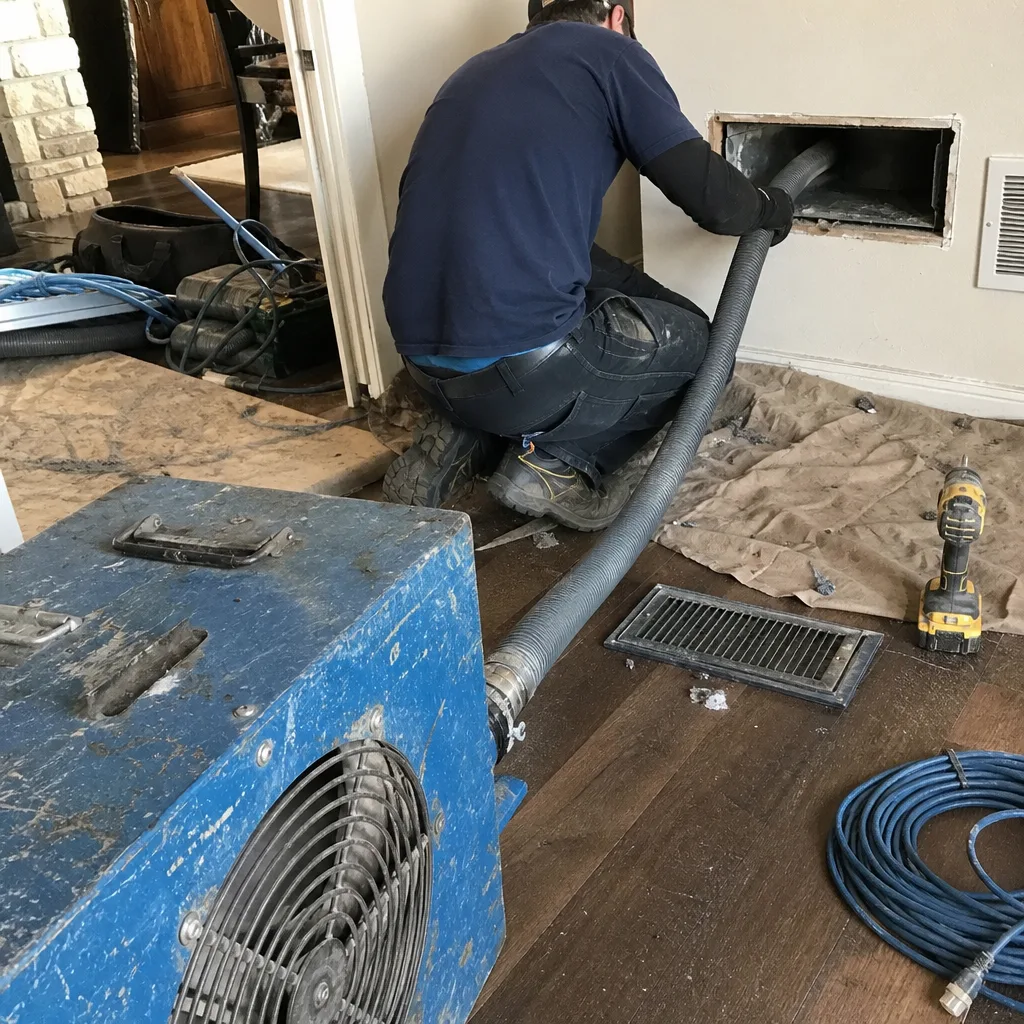 Before
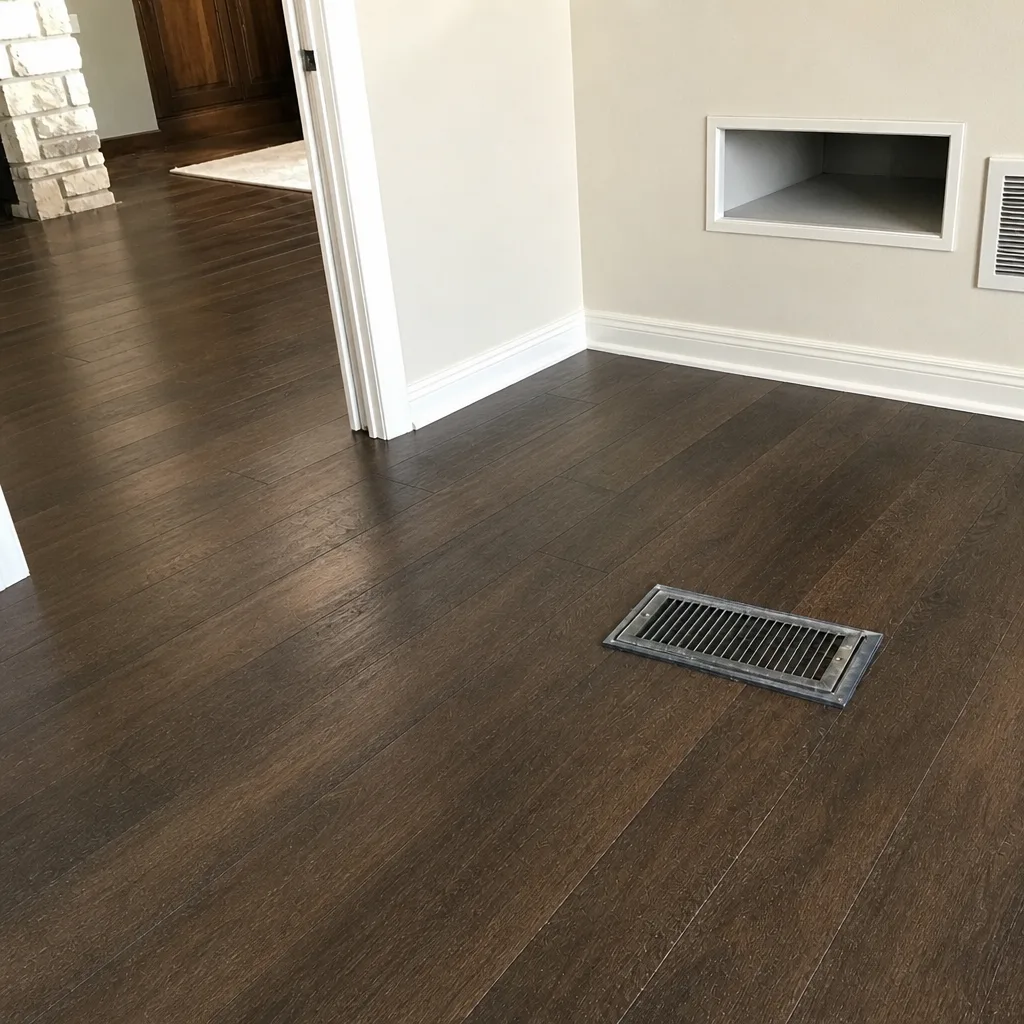 After
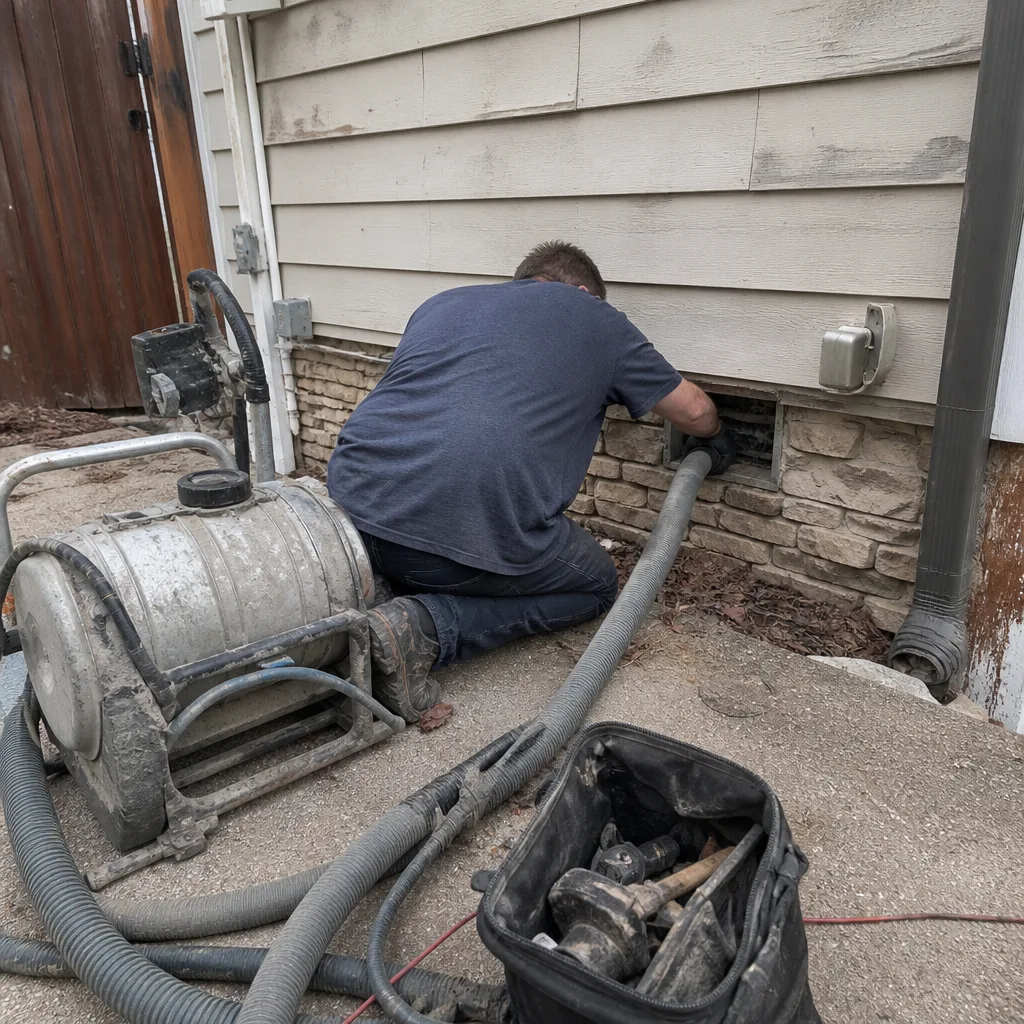 Before
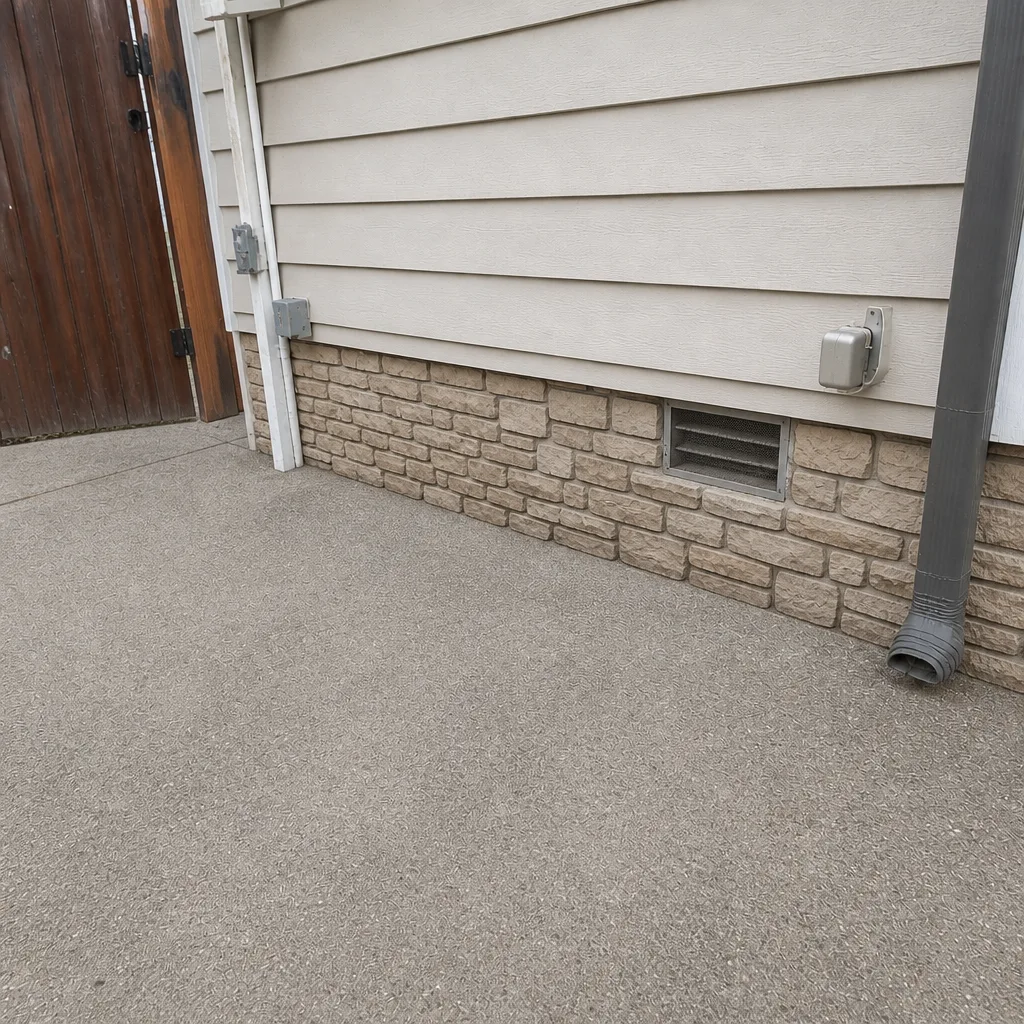 After
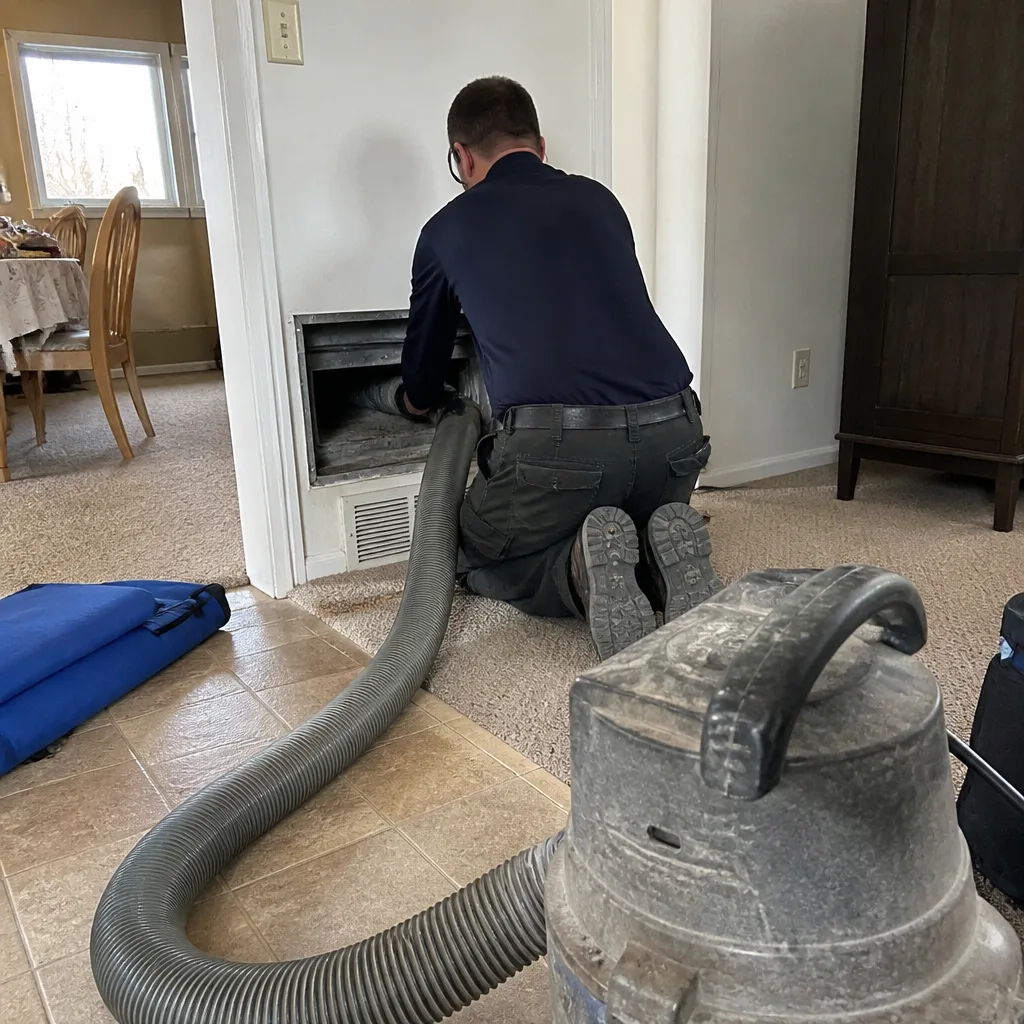 Before
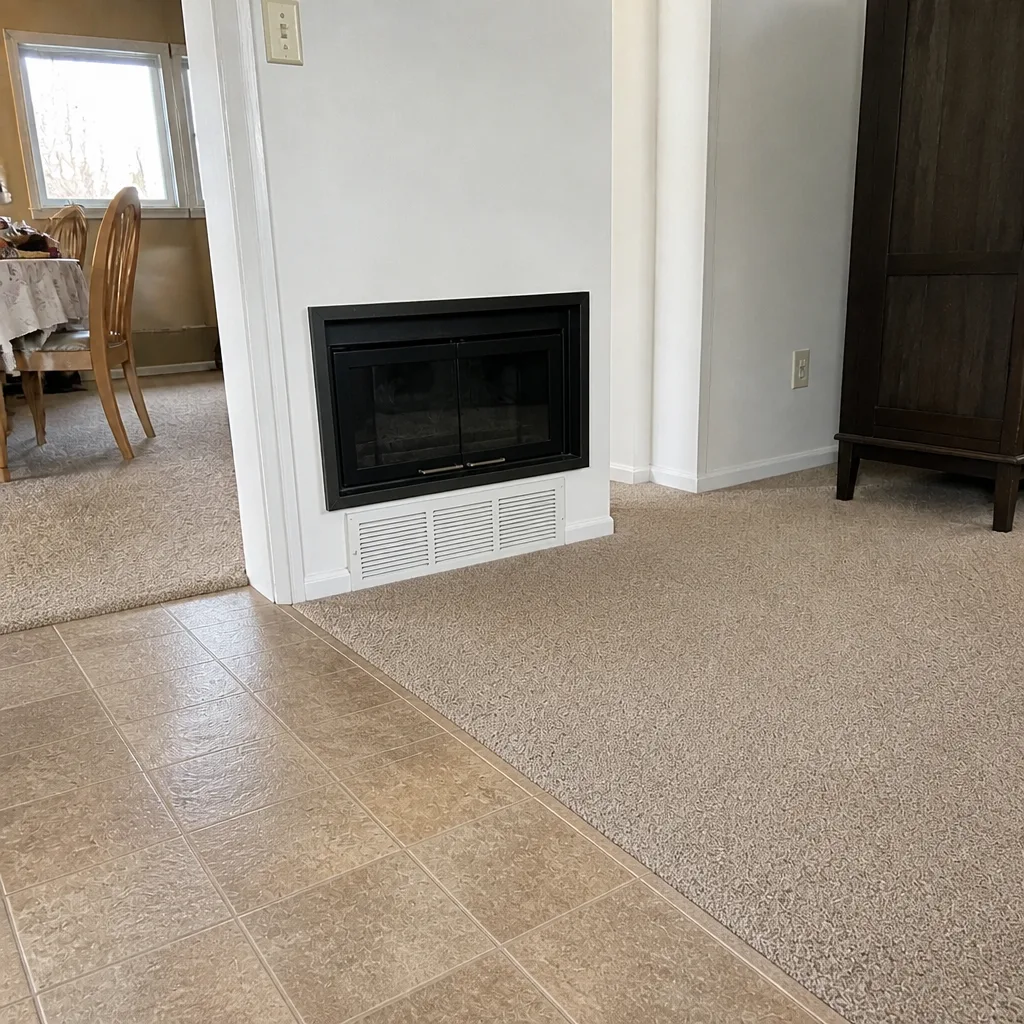 After
Frequently Asked Questions
Wait until the outdoor air has cleared for 24 to 48 hours, then do the look-and-smell assessment. If you find visible ash or persistent indoor smoke odor, schedule cleaning as soon as possible. If not, a non-urgent cleaning on a normal schedule is fine. Running the system before that assessment just distributes more particulate, so leave the fan off in the meantime. Call (866) 328-8803 for a free estimate if you’re unsure which category you fall into.
No. Running the system to test whether contamination is present pushes more particulate into the living space. Do the assessment with the system off first: pull the return registers, check the filter, look at the blower compartment, and smell the air in a closed-up room. If you still want confirmation, a technician can scope the system without running it.
Usually because the equipment and scope are different. A shop vacuum and a brush job costs less than a full cleaning with high-volume negative pressure and mechanical agitation, but it doesn’t remove settled ash and can make indoor air worse. Post-event work also needs to cover the blower, coil, and plenum, not just the visible duct runs. Ask what equipment the crew uses and what surfaces the quote covers before you compare price. Call (866) 328-8803 for an honest scope-based estimate.
Ask for before-and-after photos of your own system, and ask for a scope view of the return side and supply side after cleaning. A crew that’s done the work has no reason to avoid showing you. We use Rotobrush and Nikro systems because they give us the ability to document what came out and what the ducts look like afterward. Call (866) 328-8803 if you want to talk through what documentation to expect.
Yes, meaningfully. Smoke enters through gaps at joints, seams, and any disconnected run in the system, not just at the registers. Sealing those gaps closes a real infiltration path during the next smoke event and improves system efficiency year-round. Sealing is one of the highest-value resilience steps we recommend to Boulder homeowners after an event. Call (866) 328-8803 to include sealing in your post-event scope.
Cleaning removes physical material: ash, soot, and settled particulate. Sanitizing addresses residual volatile compounds on cleaned surfaces that cause smoke odor. On a significant event you usually need both, in that order, plus sealing any gaps that let contamination in. Cleaning without sanitizing leaves the smell. Sanitizing without cleaning traps contamination under a layer of product. Call (866) 328-8803 to scope the right sequence for your home.
The Bottom Line
The Marshall Fire recovery showed that structurally intact homes can still carry a smoke exposure problem long after the fire is out, and the duct system is the reason. Preparedness for Boulder homes means three things: shut the system down and seal the returns when an event is coming, assess the ducts carefully before you turn anything back on, and use the post-event work to upgrade filtration and seal gaps so the next event is easier. Cleaning, repair, and sealing together are the difference between a home that recovers well and one that smells like smoke all winter. Most of the work is scheduled, not urgent, but the assessment can’t wait. Call (866) 328-8803 for a free estimate. We answer 24/7. Fast dispatch from 7am to 7pm, Sunday through Friday.
Written by the team at Boulder Air Duct Cleaning Co.